Bruno Kreisky
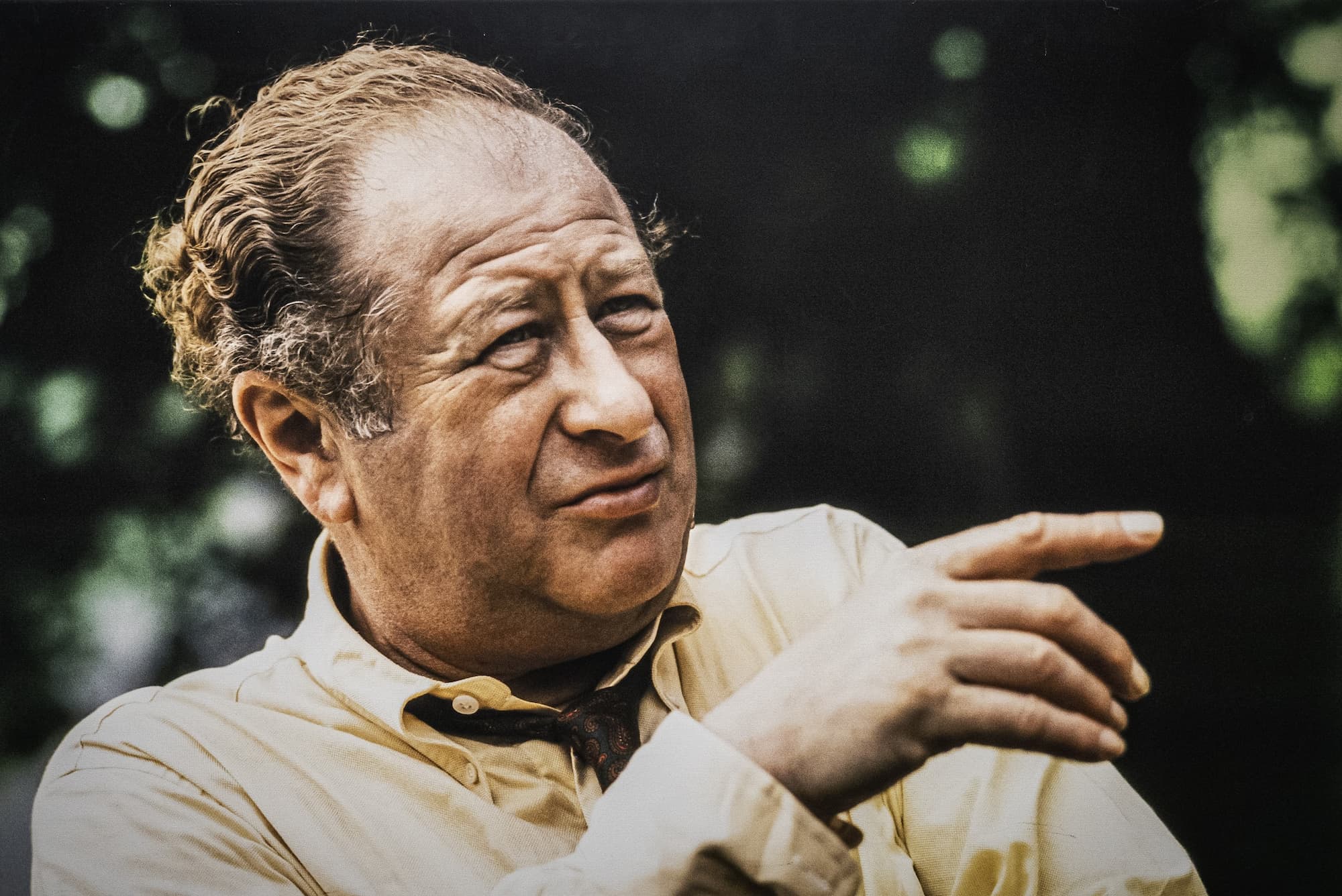
"‘I don’t think much of the ‘friend or foe’ dichotomy in politics. I see those with different political views as just that, not as enemies.’

Historic recordings of Bruno Kreisky
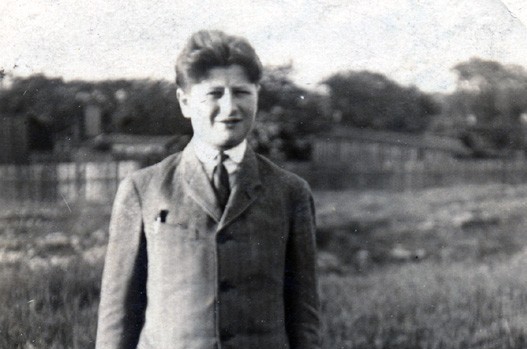
Bruno Kreisky, youth photograph from the 1930s
Photo: Bruno Kreisky Archive Foundation
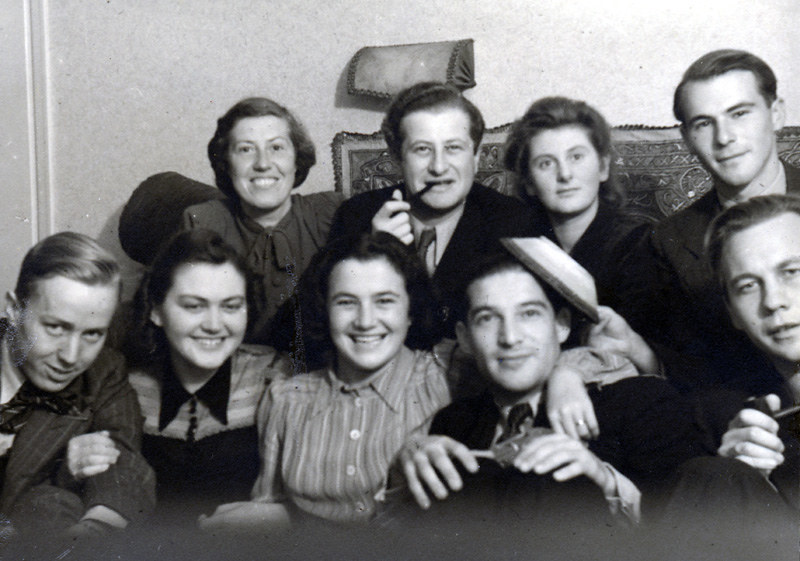
Bruno Kreisky in Swedish Exile, c. 1941
Photo: Bruno Kreisky Archive Foundation

Signing of the "Moscow Memorandum", 1954
Photo: Bruno Kreisky Archive Foundation
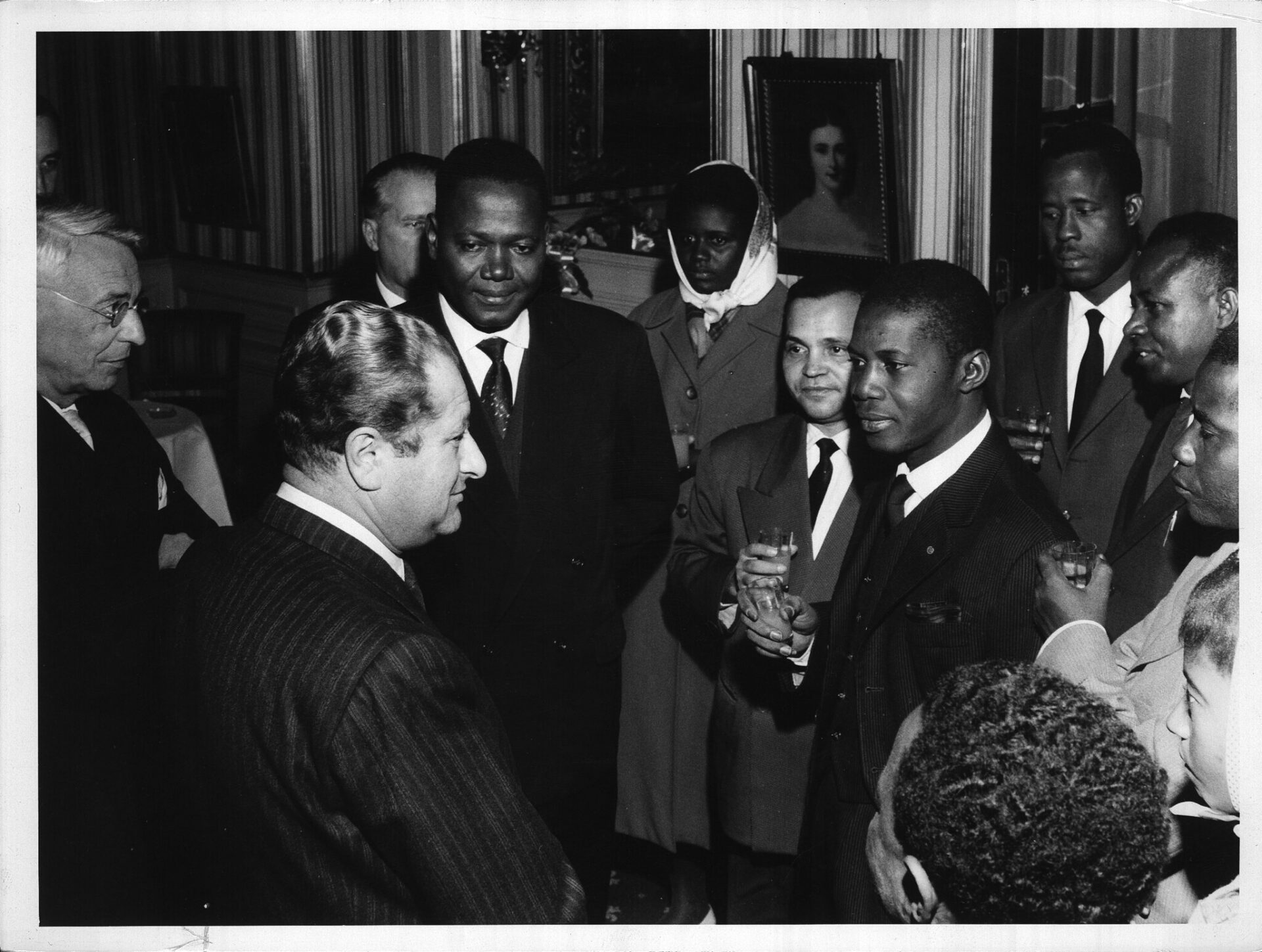
Bruno Kreisky with government delegation from Mali, 1962
Source: Archive Future / Fred Bayer
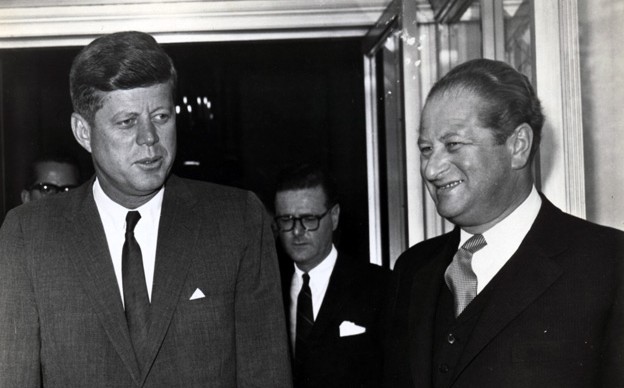
Bruno Kreisky with US President John F. Kennedy, 1962
Photo: Bruno Kreisky Archive Foundation

Bruno Kreisky and Bruno Pittermann with Pope Paul VI, 1963
Source: Archiv Zukunft / Felici

Foreign Minister Bruno Kreisky with the second Chancellor of the Federal Republic of Germany, Ludwig Erhard, 1963
Source: Archive Future / Federal Press Office Bonn
Source: Archive Future / Federal Press Office Bonn
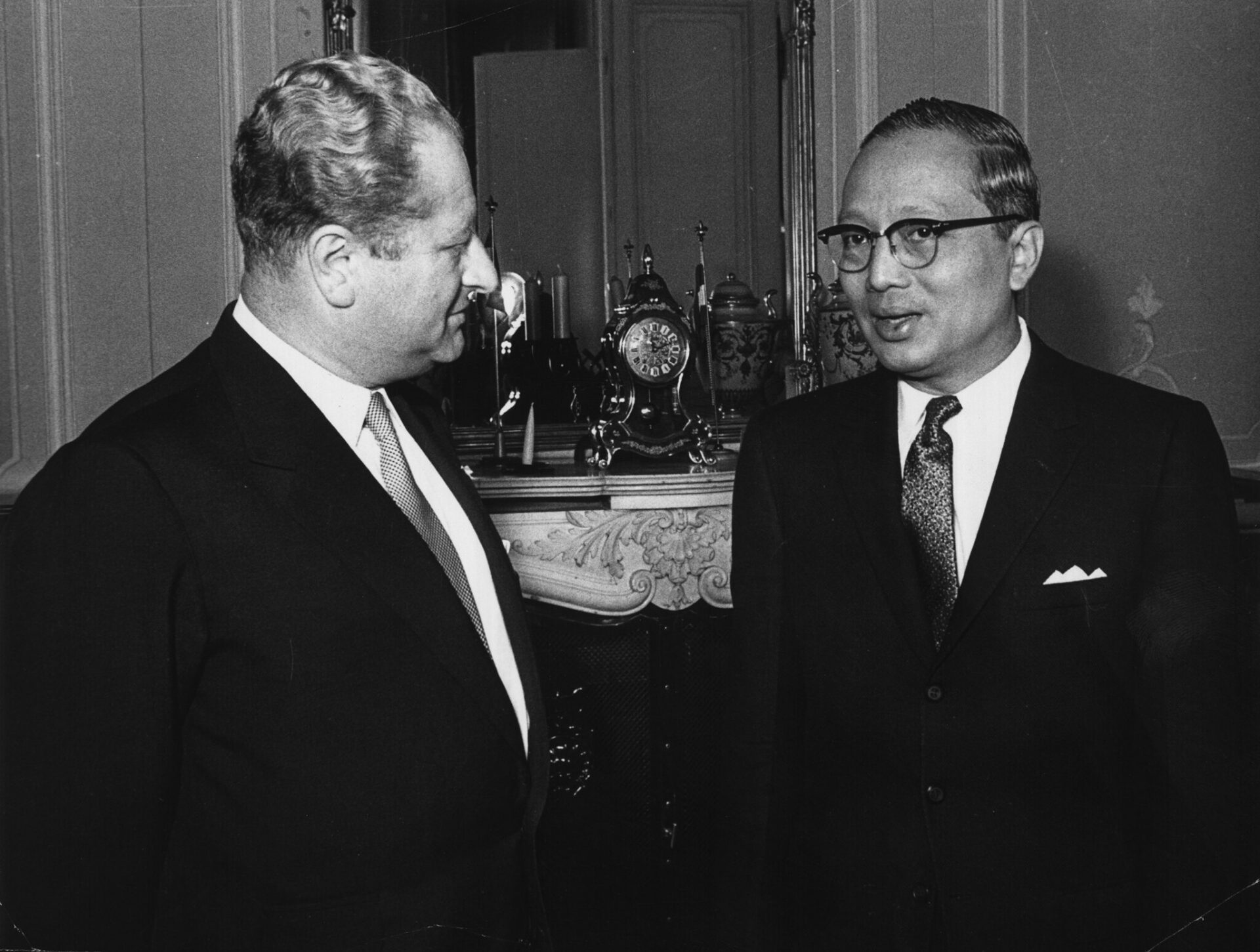
Bruno Kreisky with UN Secretary-General U Thant, 1962
Photo: Archive Zukunft / United Nations
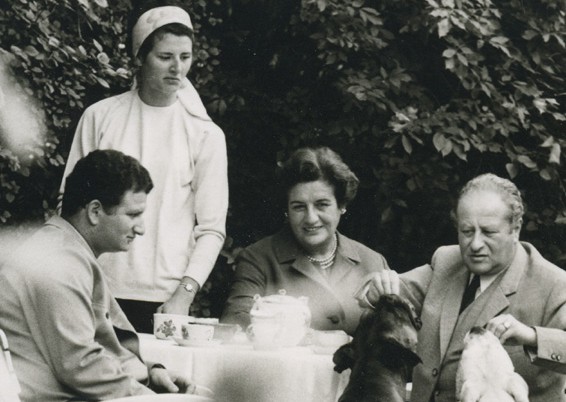
Bruno Kreisky with his family, 1965
Photo: Wenzel-Jelinek
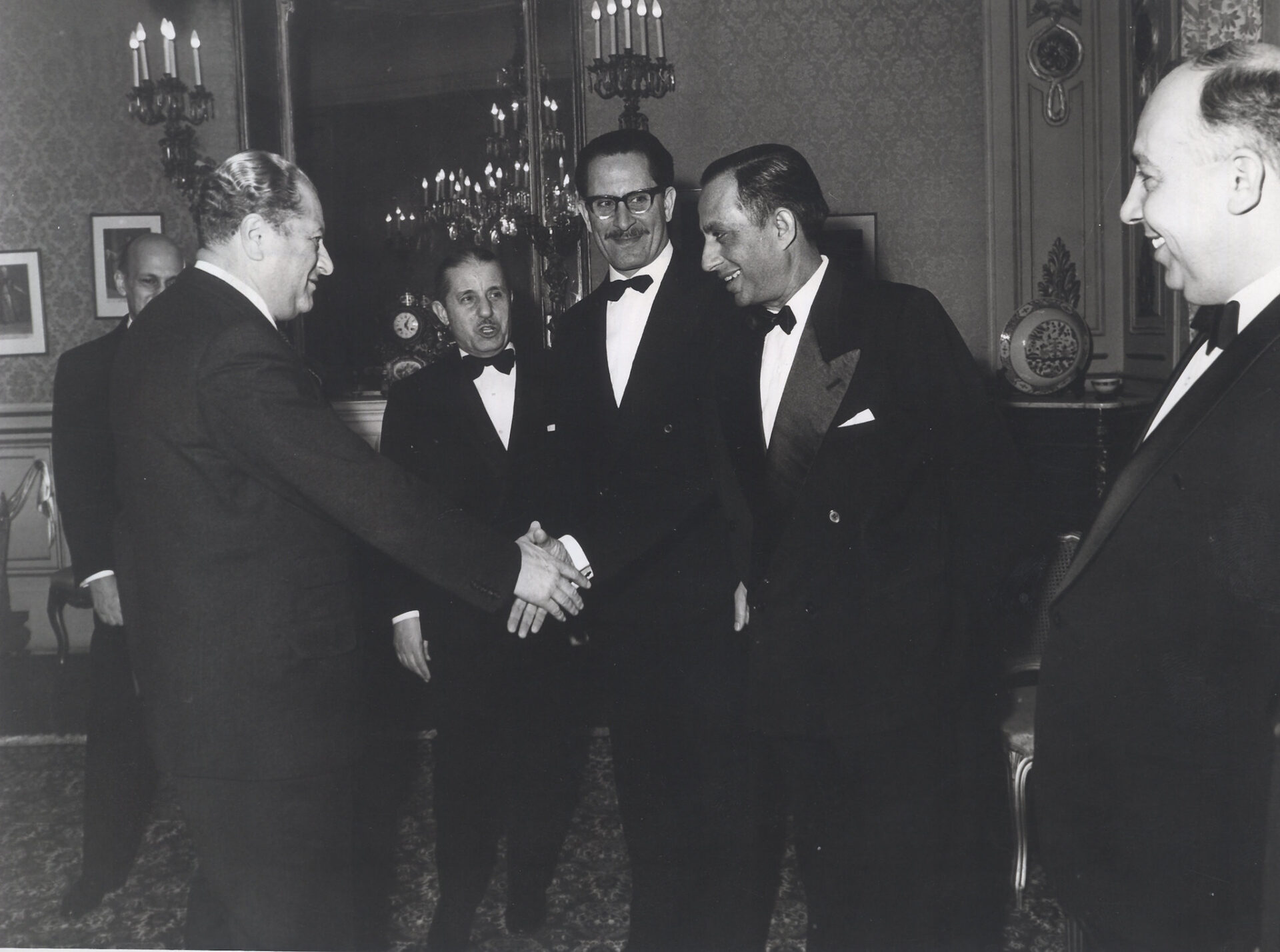
Bruno Kreisky with the ambassadors of Islamic states accredited in Vienna, 1968
Photo: Zukunft Archive/Fred Bayer
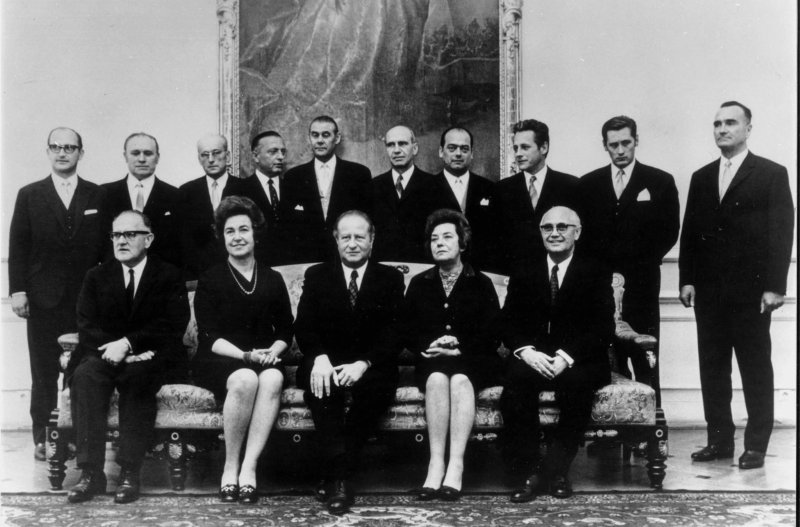
Group photo of the Austrian Federal Government - Cabinet KREISKY I (21 April 1970 to 4 November 1971)
Photo: BKA/BPD
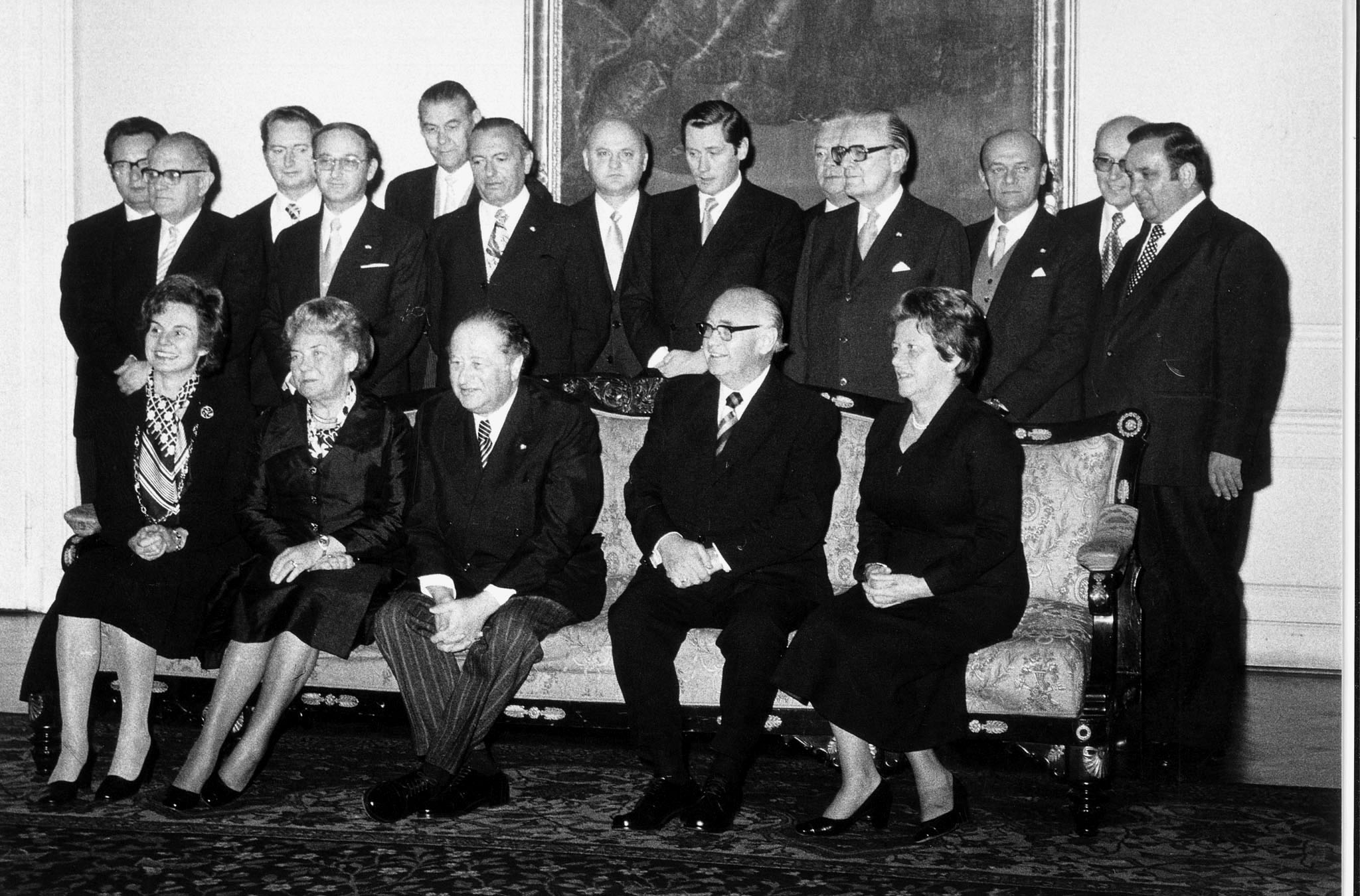
Austrian Federal Government - Kreisky II Cabinet
(04 November 1971 to 28 October 1975)
Photo: BKA/BPD
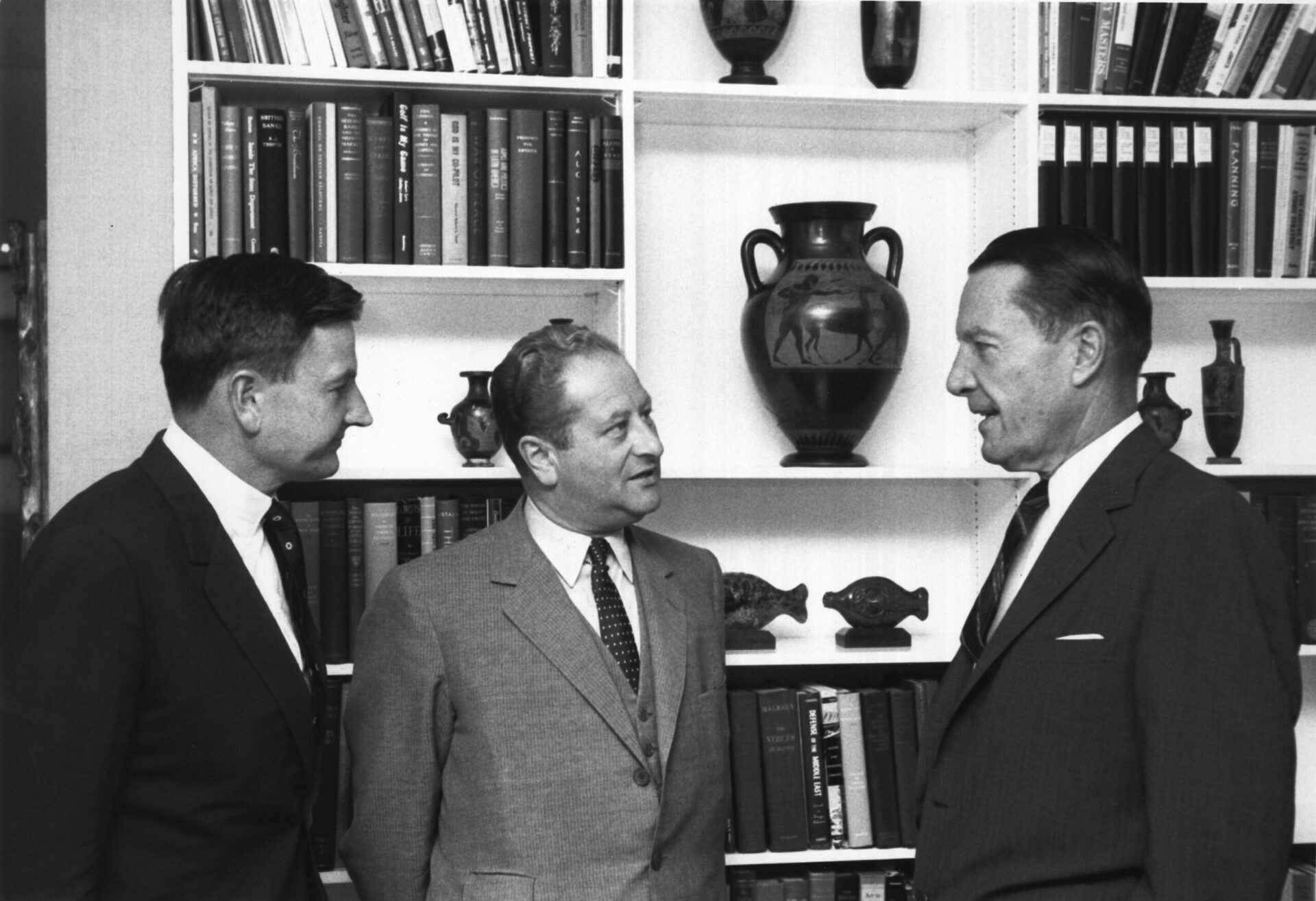
Bruno Kreisky with US philanthropist John D. Rockefeller III, 1972
Photo: Zukunft Archive / Irving Fitzig
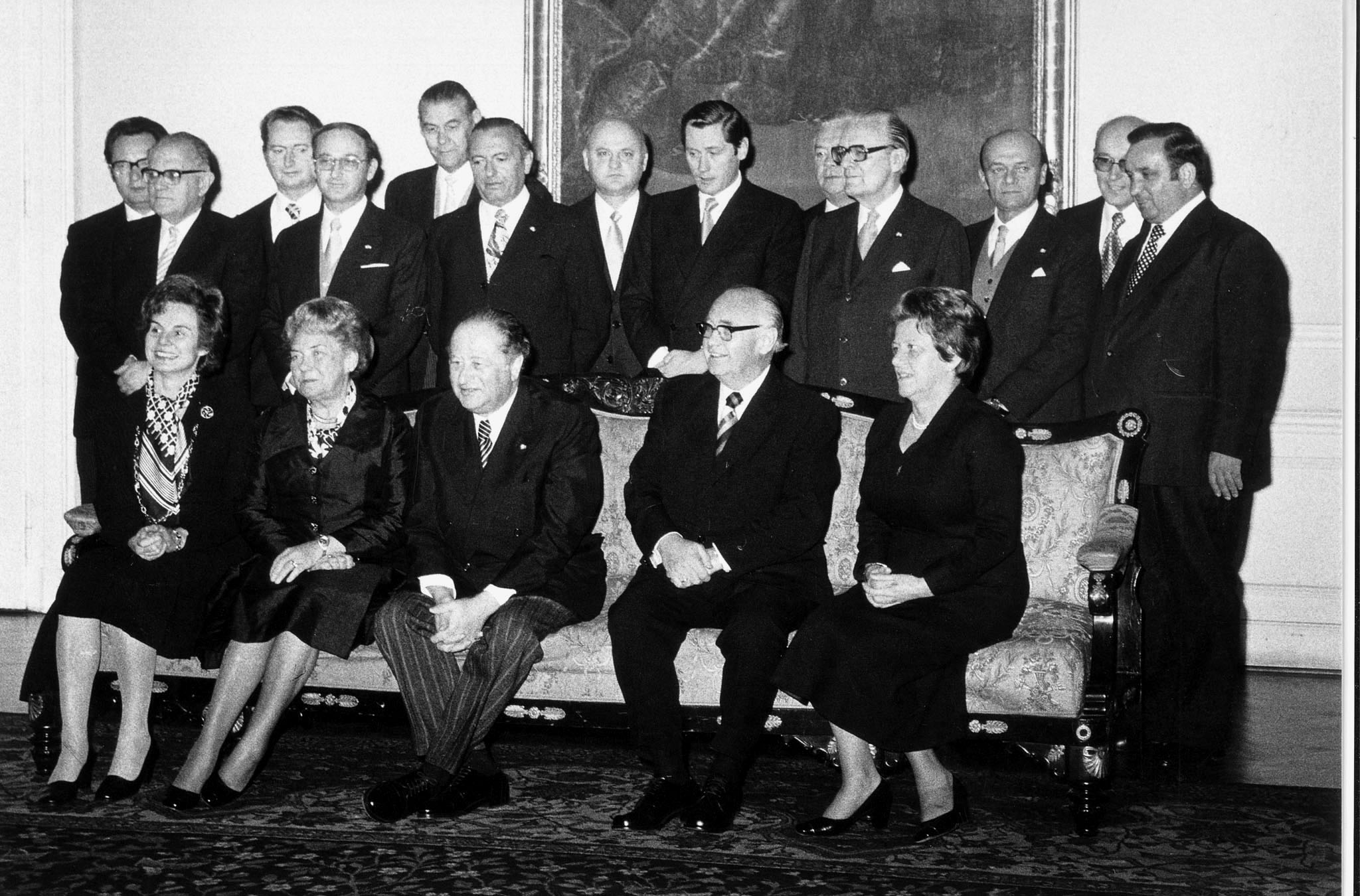
Austrian Federal Government - Kreisky Cabinet III
(8 October 1975 to 5 June 1979)
Photo: BKA/BPD

Willi Brandt, Olof Palme and Bruno Kreisky, 1975
Photo credit: Votava

Austrian Federal Government – Kreisky IV Cabinet
Group photo of the Austrian (5 June 1979 to 24 May 1983)
Photo: BKA/BPD

Bruno Kreisky with PLO leader Yasser Arafat and Willy Brandt, President of the Socialist International in 1979
Photo: SPÖ / www.rotbewegt.at / Votava
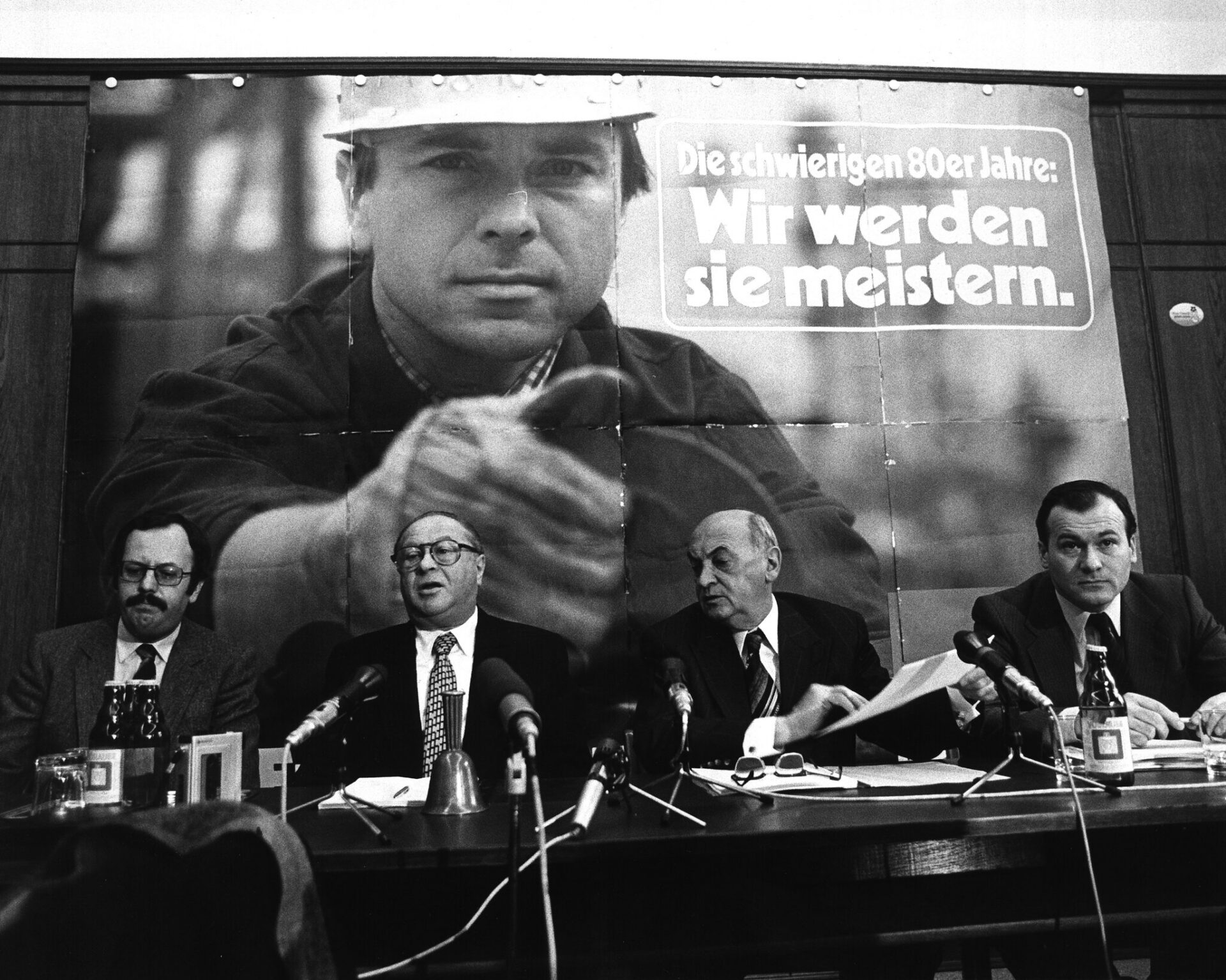
Bruno Kreisky and ÖGB chairman Anton Benya at a press conference, 1980
Source: Archiv Zukunft

State visit to Qatar, 1981
Photo: Bruno Kreisky Archive Foundation
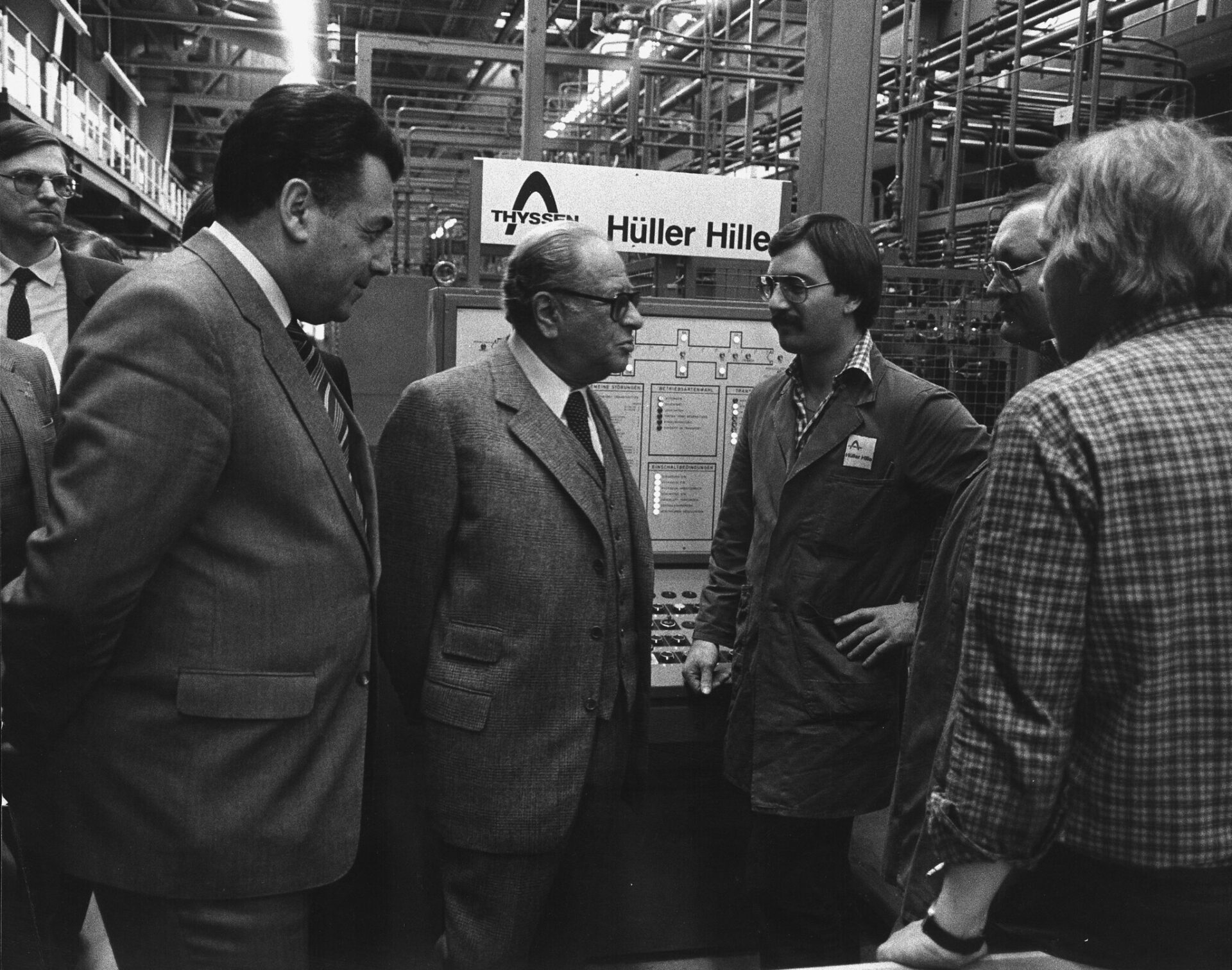
Company visit to BMW Steyr, 1983
Source: Archive Future
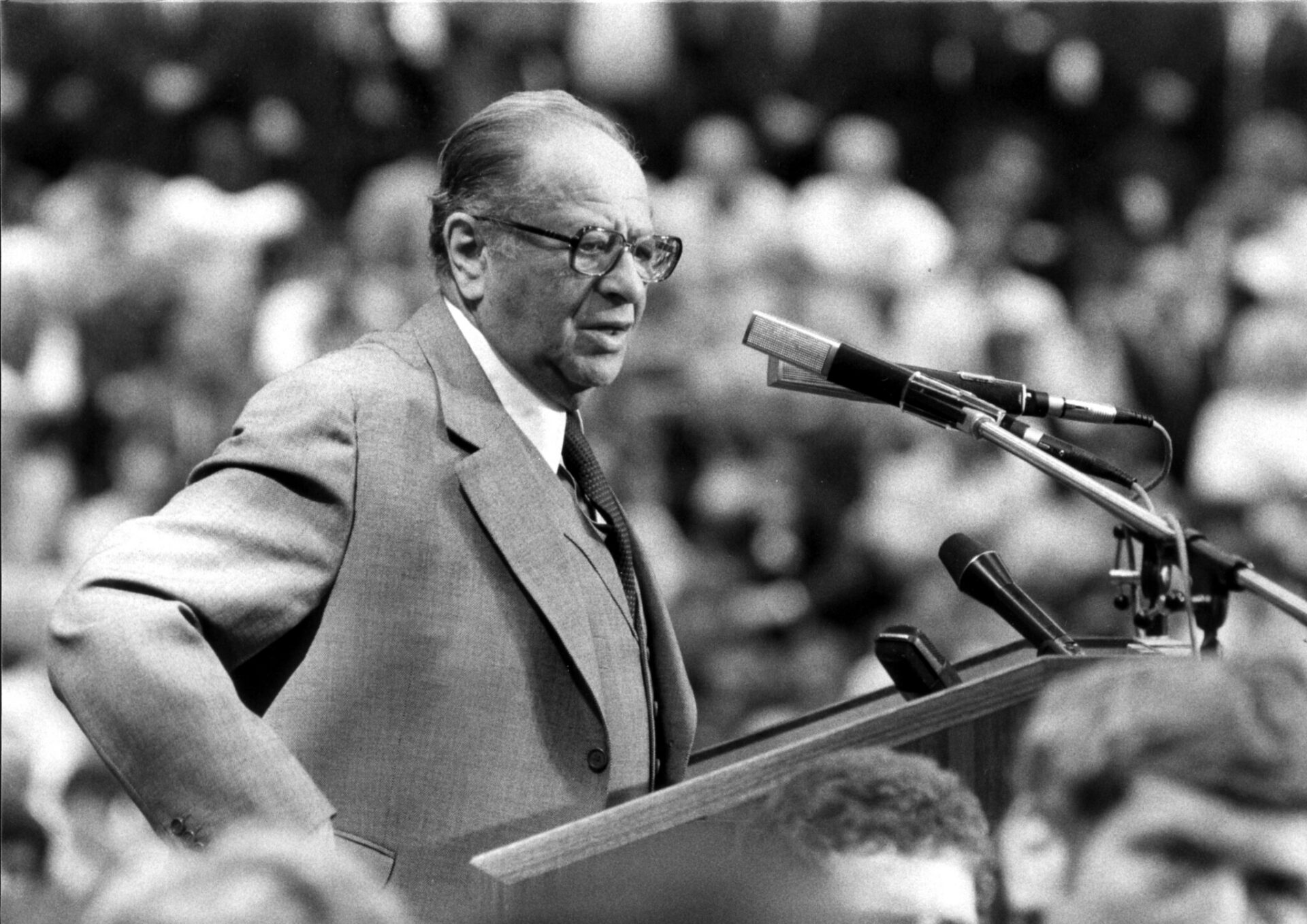
Bruno Kreisky, SPÖ leader and Federal Chancellor, during the election campaign for the 1983 National Council election.
Photo: Henisch

Bruno Kreisky and Federal Chancellor Fred Sinowatz, Ceremony for Kreisky's 75th Birthday, 1986
Source: Archive Zukunft
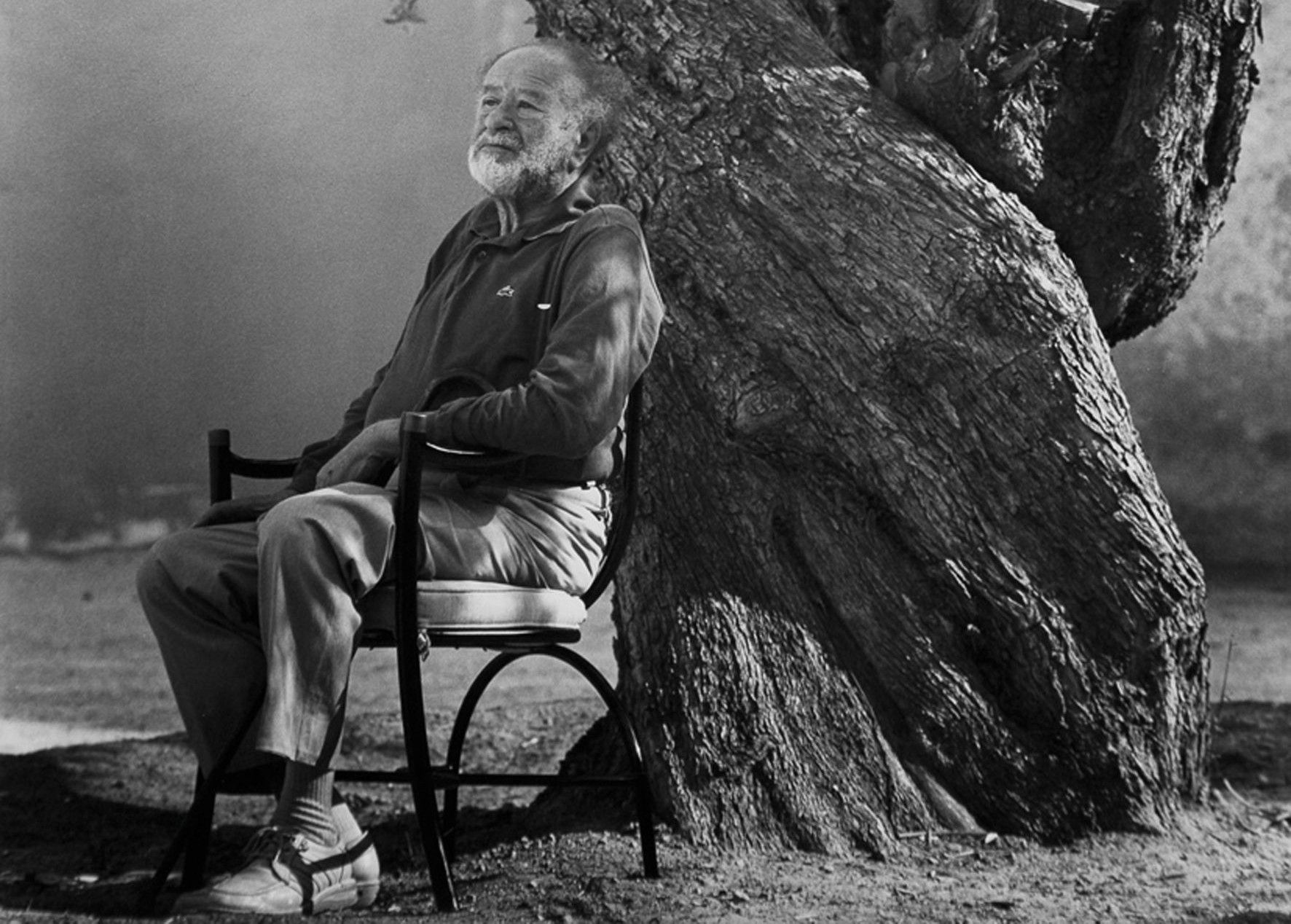
The famous age portrait of Bruno Kreisky, photographed by Konrad R. Müller