The Bruno Kreisky Forum
MISSION STATEMENT

Past, Present and Future

The Bruno Kreisky Forum honours the memory of one of the most significant Austrian politicians and chancellors of the 20th century and sees itself as an independent think-and-do tank, a hub for ideas and a forum for dialogue, and a laboratory for the development and implementation of politically, economically and socially relevant, forward-looking and progressive solutions. The Bruno Kreisky Forum implements programmes for international organisations, state institutions and non-governmental organisations. We discuss, develop and advise – competently, transparently and confidentially. We work across worldviews, religions and party-political lines .

"I simply cannot imagine politics without moral responsibility."

We facilitate dialogue:

The house and garden at Armbrustergasse 15 embody openness, accessibility, and respect for people of diverse political, social, and cultural backgrounds in Austria and around the world. Through our programs for guests and delegations, we promote both public and private social dialogue, expert exchanges, and mediation, and we support policy advisory services.

We encourage practical action and creativity:

Through various programs, we work on concrete socio-political implementations of proposals, develop “good practice” models and measures, and apply them sustainably within our respective living and working contexts. There is no alternative to conflict? We have one.

We drive, advise, and guide change:

Good ideas, innovative solutions, and alternatives to the status quo require committed individuals at all levels. That is why our programs bring together opinion leaders and assertive decision-makers from civil society and government, politics and business, academia and culture. Our work is research-based and we are an institution for civic education and policy advice. We encourage young people to take responsibility for democracy, social cohesion, and peace, and we support and honour these efforts.
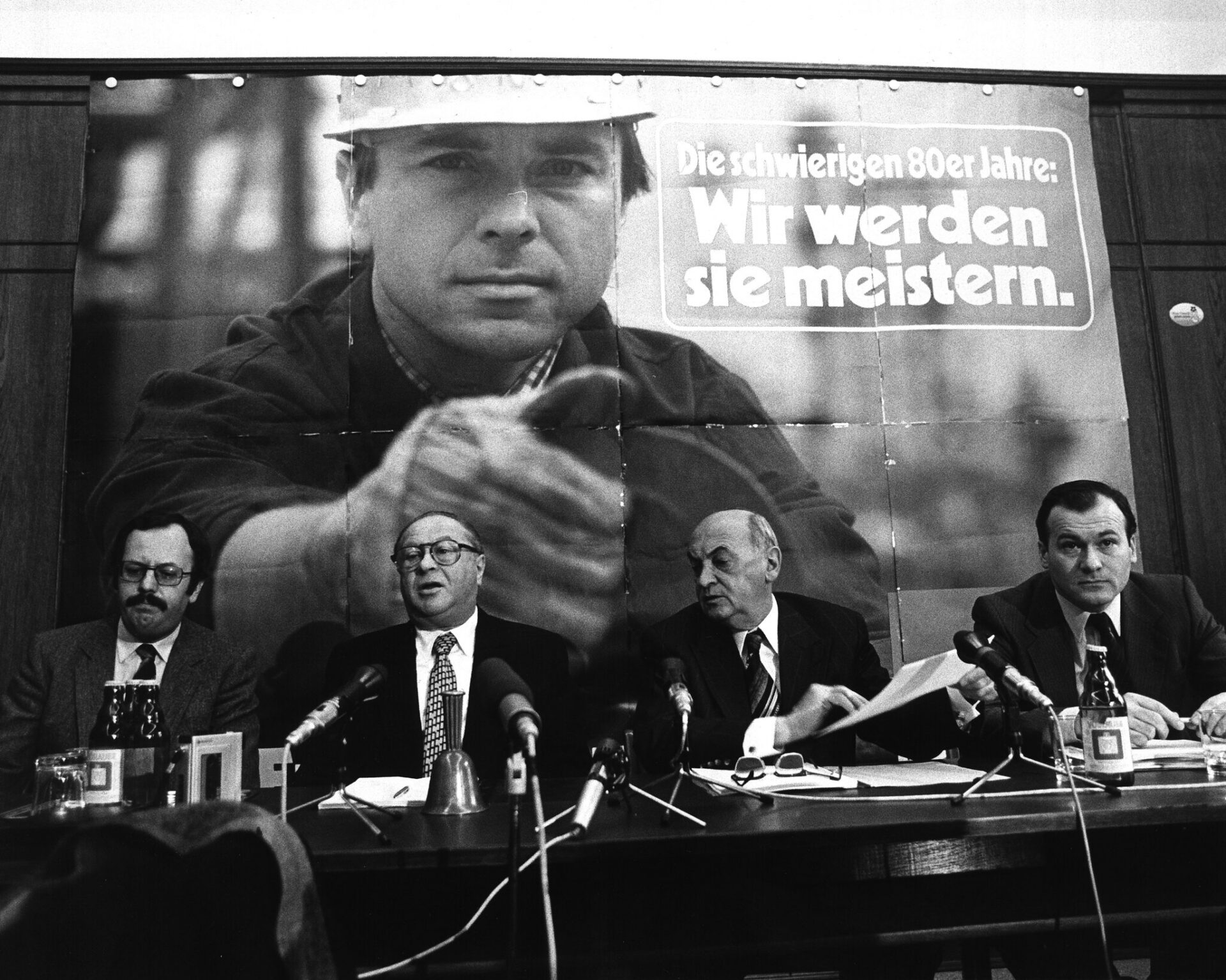
Bruno Kreisky and ÖGB leader Anton Benya at a press conference, 1980
„A chancellor of this republic does not go through the back door.“

Source: https://beruhmte-zitate.de/autoren/bruno-kreisky/
„A chancellor of this republic does not go through the back door.“

Source: https://beruhmte-zitate.de/autoren/bruno-kreisky/"

"A chancellor of this republic does not leave through the back door."
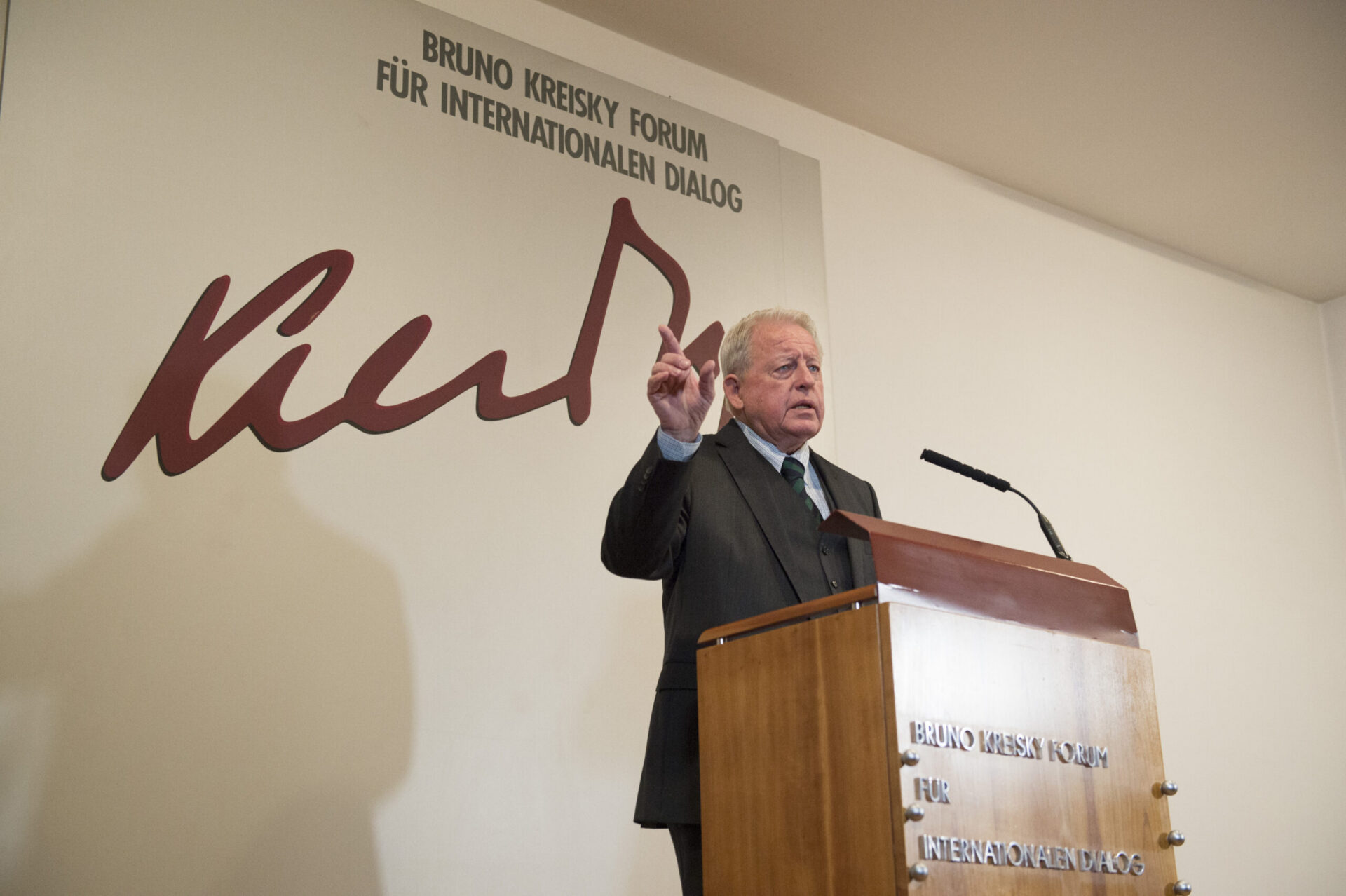
BRUNO KREISKY FORUM

Foundation and Development of the Bruno Kreisky Forum

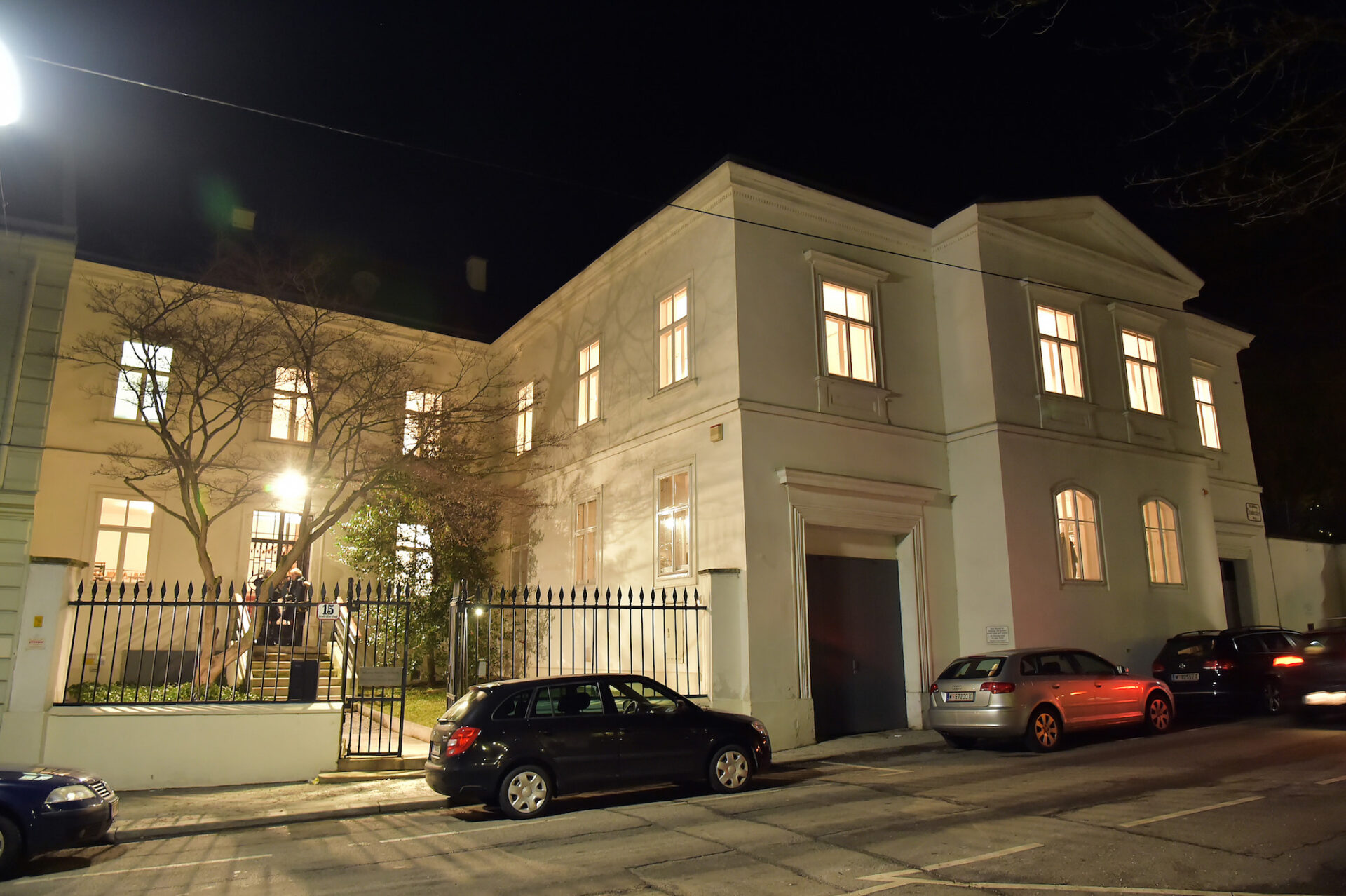
The Bruno Kreisky Forum for International Dialogue was founded as a nonprofit organization in 1991, one year after Bruno Kreisky’s death. Kreisky’s former residence was acquired with the support of the Republic of Austria and renovated with additional assistance from the City of Vienna and the Kahane Foundation. In keeping with Kreisky’s vision, it was not intended to be a monument or museum, but rather a place for lively debate, relevant policymaking, and sustainable social reform. Since then, it has been a place of living contemporary history and shaping the future.

FOUNDERS & PRESIDENTS
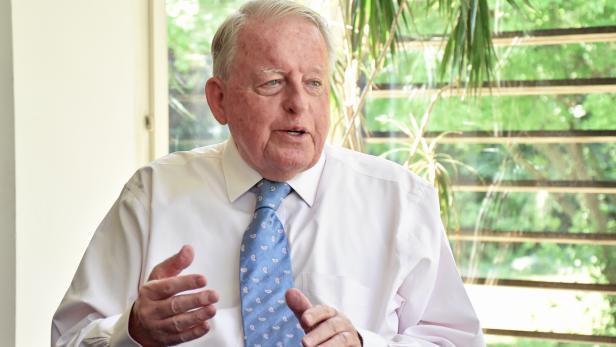
Franz Vranitzky, former Federal Minister and Federal Chancellor of Austria, is the Founding and Honorary President of the Bruno Kreisky Forum.
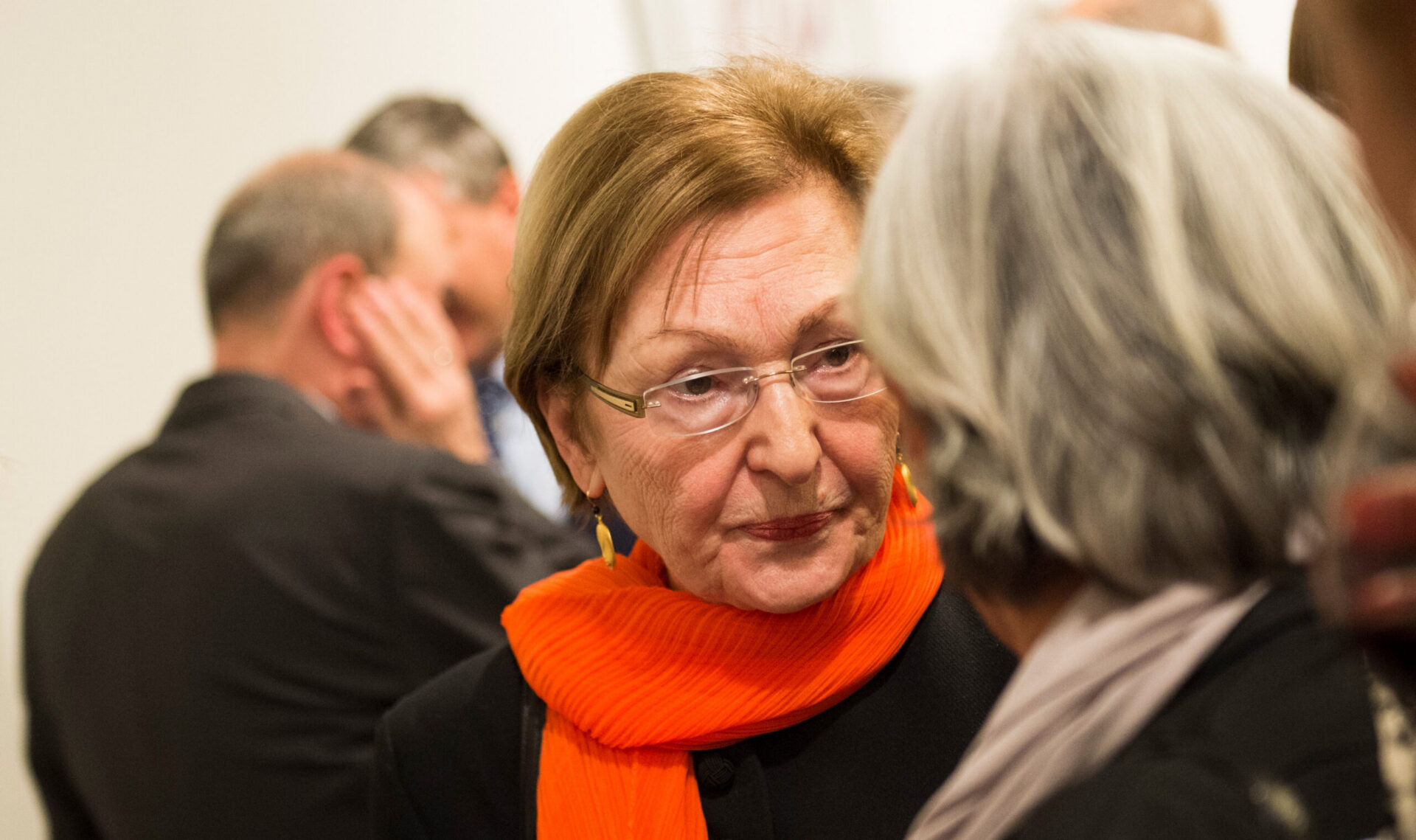
Margit Schmidt, Bruno Kreisky's closest assistant, was Secretary General from 1991 to 2004 and a member of the Board of the Bruno Kreisky Forum until July 2024. Ever since she is a member of the Senior Advisory Board.
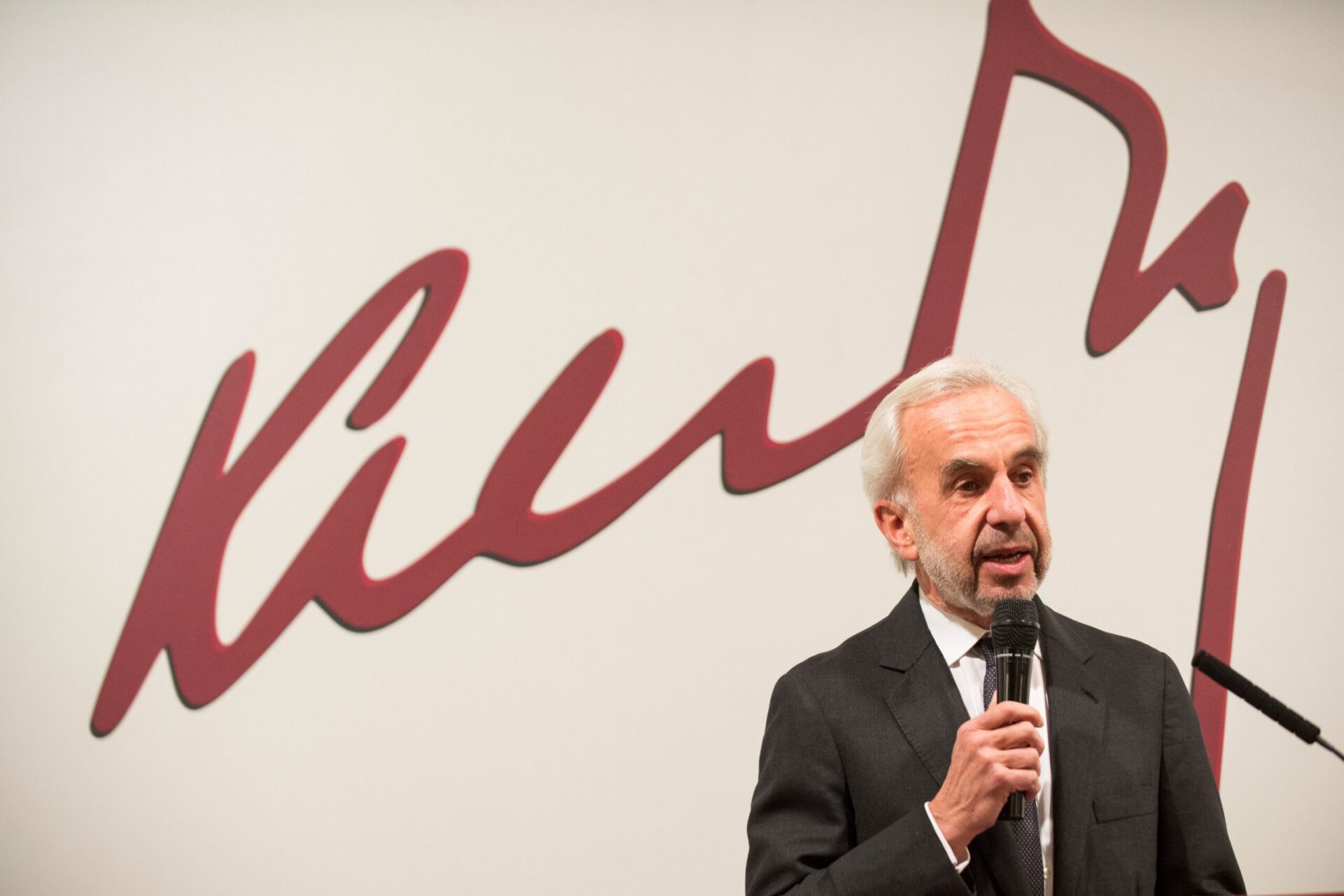
Rudolf Scholten, Minister of the Republic of Austria from 1990 to 1997 and a politician shaping cultural policy in this country, has been President of the Bruno Kreisky Forum since 2004.

THE PLACE

History of the House and the Garden

The house can be visited by prior appointment. Guided tours are also available. Our premises are available to rent. An exhibition on Bruno Kreisky is in the pipeline, and we would be delighted to receive your support for this project. Bruno Kreisky lived with his family in the villa at Armbrustergasse 15 in Vienna’s 19th district for four decades. After his return to Austria from exile in Sweden in 1951, Kreisky, then already State Secretary in the Foreign Ministry, moved to Grinzing with his wife Vera and their children Peter and Suzanne in 1954.

House and garden
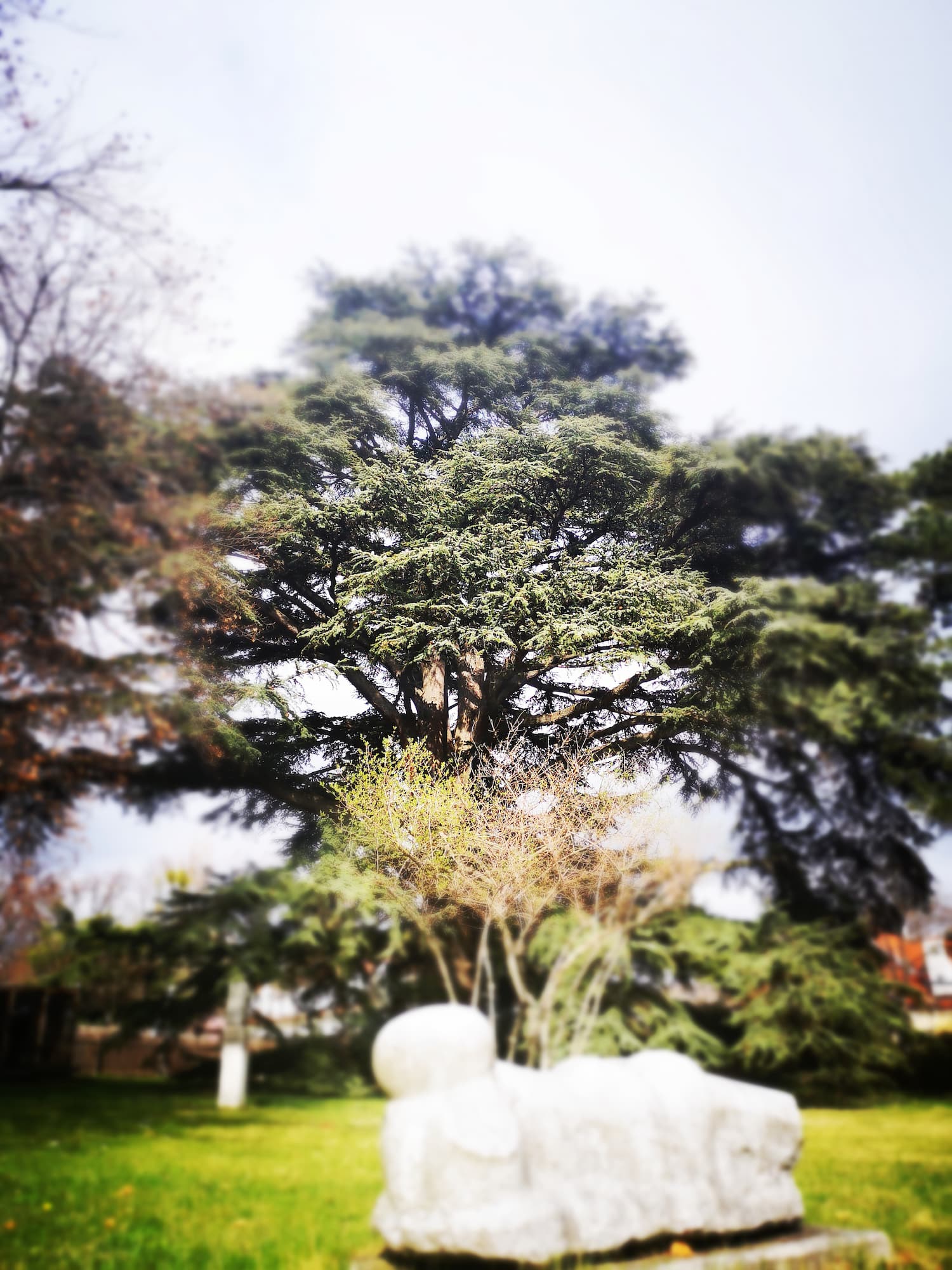
The legendary Lebanon cedar was planted at the time of the Congress of Vienna in 1815 and is a Viennese nature conservation monument.
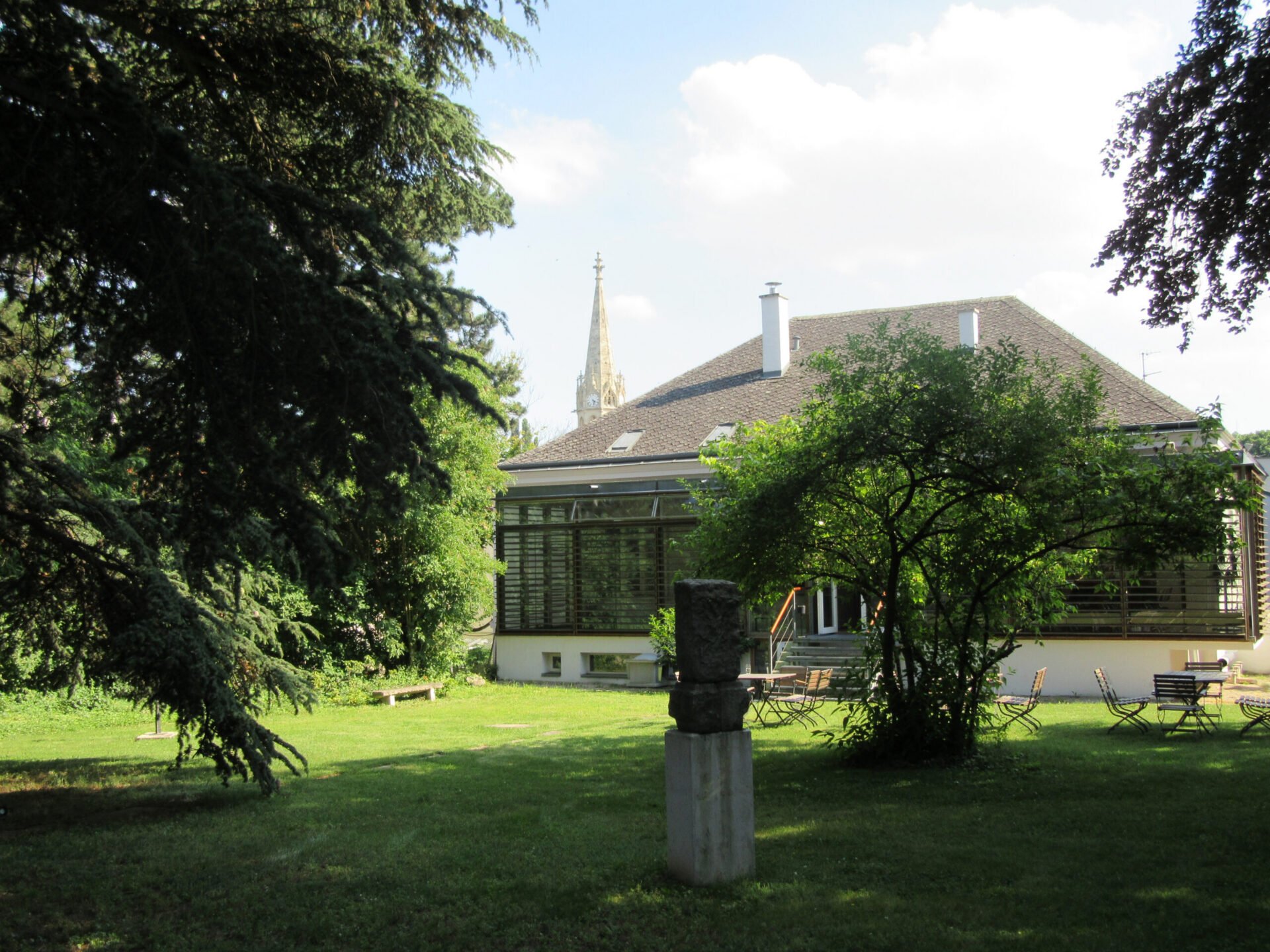
From the garden, you can directly access the event rooms of the Bruno Kreisky Forum.
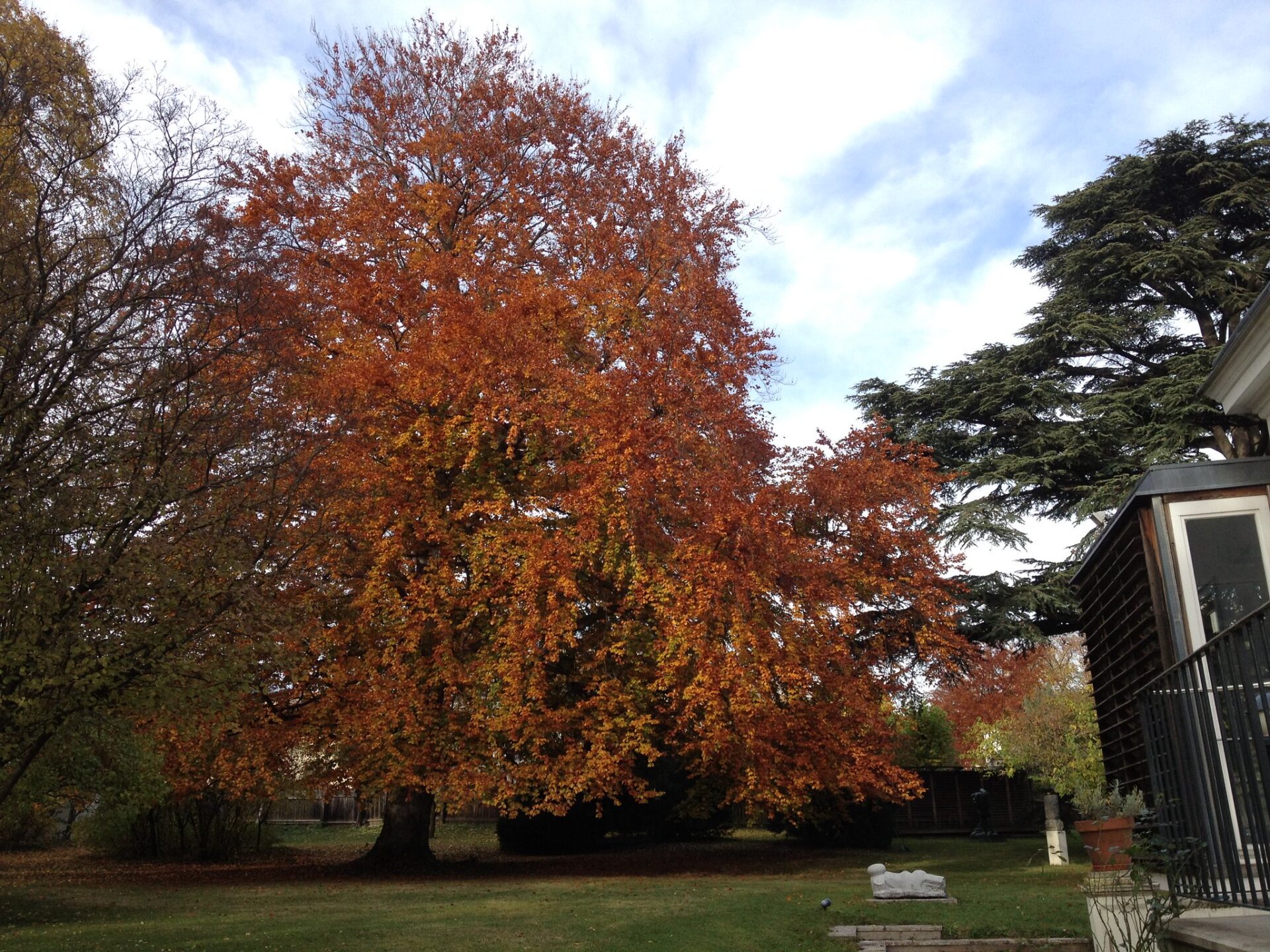
The garden's tree population also includes this monumental copper beech.
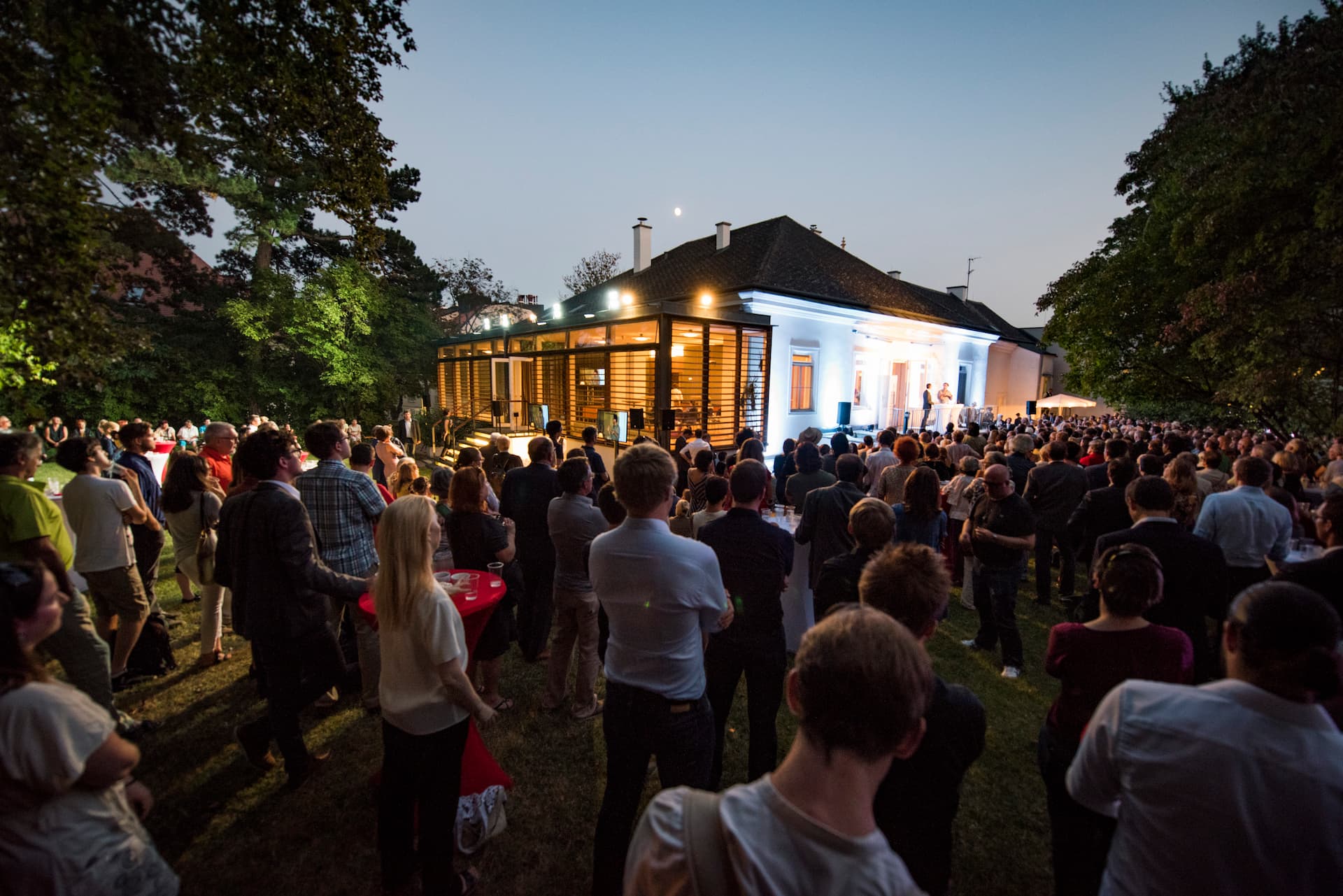
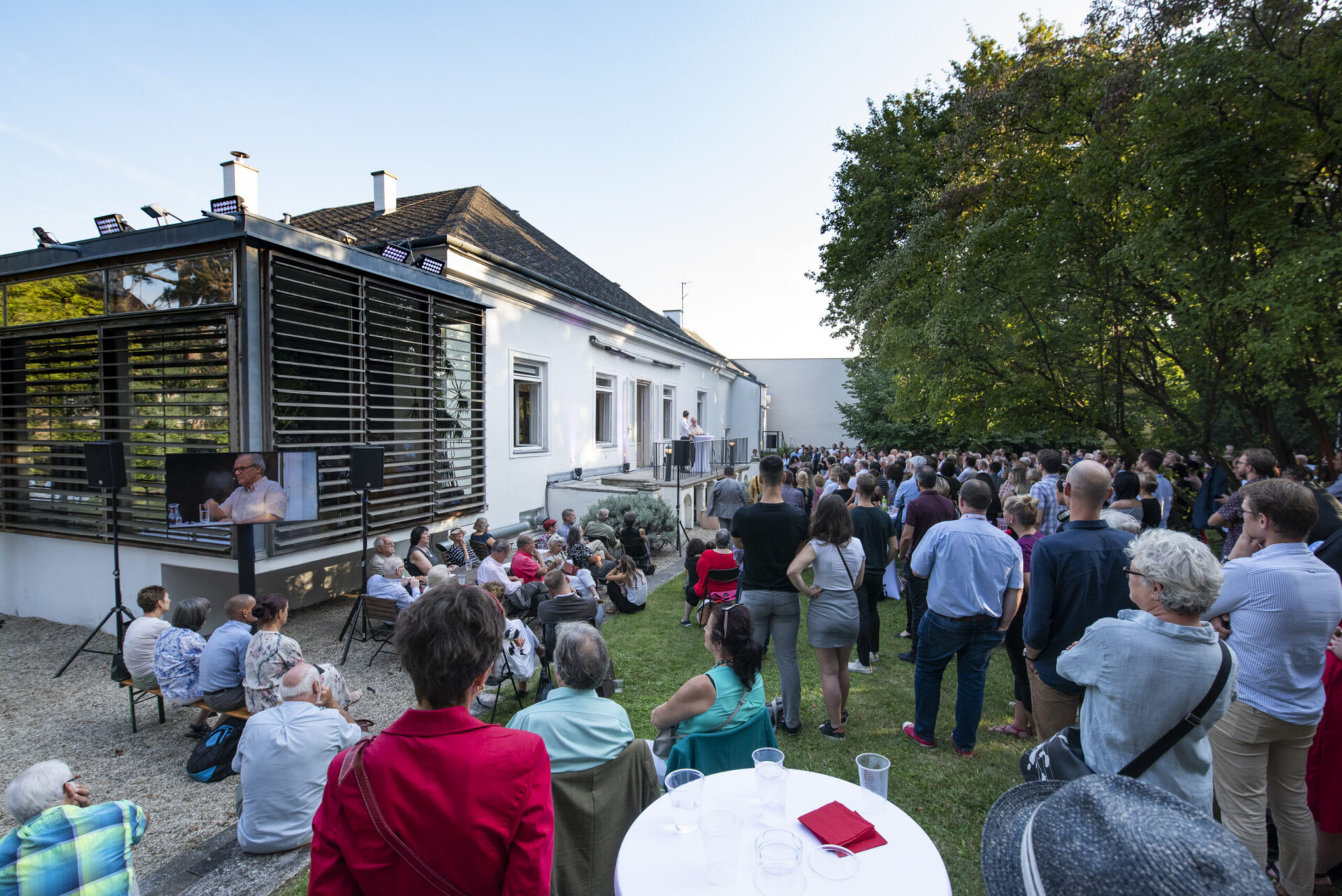
Ideal for open-air events! The garden offers space for around 400 people.
"Lagernde", sculpture by the Austrian artist Otto Eder (1966). The garden contains four other works on loan from the Museum of Applied Arts by Otto Freundlich, Shamai Haber, Shinkichi Tajiri and Franz Xaver Ölzant.
The Bruno Kreisky Forum in Grinzing's Armbrustergasse at night.