Bosnia and the Western Balkans - Blues or Departure?
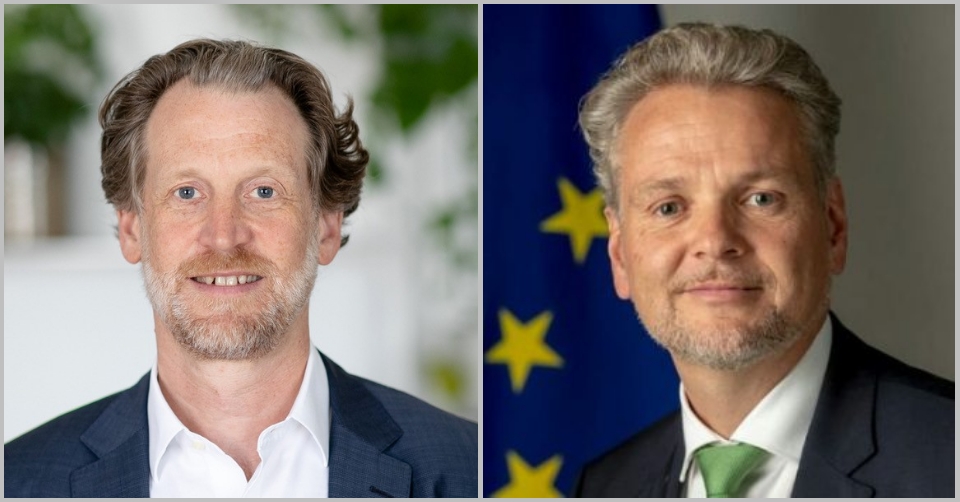
Helfried Carl in conversation with Johann Sattler
Bosnia and the Western Balkans - Blues or Departure?
More than 27 years ago, the devastating war in Bosnia and Herzegovina from 1991 to 1995 ended with the Dayton Agreement. The ethnocentric constitution enshrined in the agreement and the division of the country into Republika Srpska and a federation may have pacified the country, but it has been frozen in a post-conflict status quo ever since. Hard-won reforms to strengthen state institutions are being undermined by uncompromising nationalist forces in all ethnic groups; the President of Republika Srpska, Milorad Dodik, even regularly threatens secession.
After a long dry spell, the geopolitical changes caused by the Russian war of aggression in Ukraine contributed significantly to achieving progress in the regional enlargement context in 2022, despite considerable resistance from individual EU member states.
Why is it in the EU's interest to integrate Bosnia and the Western Balkans? Can the recent momentum be maintained and can Bosnia and Herzegovina seize its opportunity or will the zero-sum game mentality of ethnocentric power politicians prevail? How can the EU bind this region to itself in the long term and how can the oversized influence of the Russian Federation, which only acts as a spoiler in the region, be pushed back?
Johann Sattler studied political science and Slavic studies at the Universities of Innsbruck/Prague/Moscow. In 1996, he joined the diplomatic service of the Republic of Austria and held various positions until 2008, including Counsellor for Political Affairs at the Austrian Embassy in Washington and Cabinet Member of the EU Special Representative for South Eastern Europe (Stability Pact) in Brussels. From 2008 to 2013, Sattler was managing director/publisher for the WAZ media group and for Axel Springer in Moscow. He returned to the diplomatic service in 2013 and headed the Western Balkans Department of the Foreign Ministry in Vienna until 2016. In 2016, he was posted as Ambassador to Albania and moved to Bosnia and Herzegovina as Ambassador of the European Union in 2019.
Helfried Carl, has been a partner of the company he co-founded in 2019. Innovation in Politics Institute in Vienna. From 2014-2019 he was Austria's ambassador to the Slovak Republic, before that, from 2008-2014, he was head of office and foreign policy advisor to National Council President Barbara Prammer.