FEDERAL ELECTION 2025: A TURNING POINT IN GERMAN POLITICS
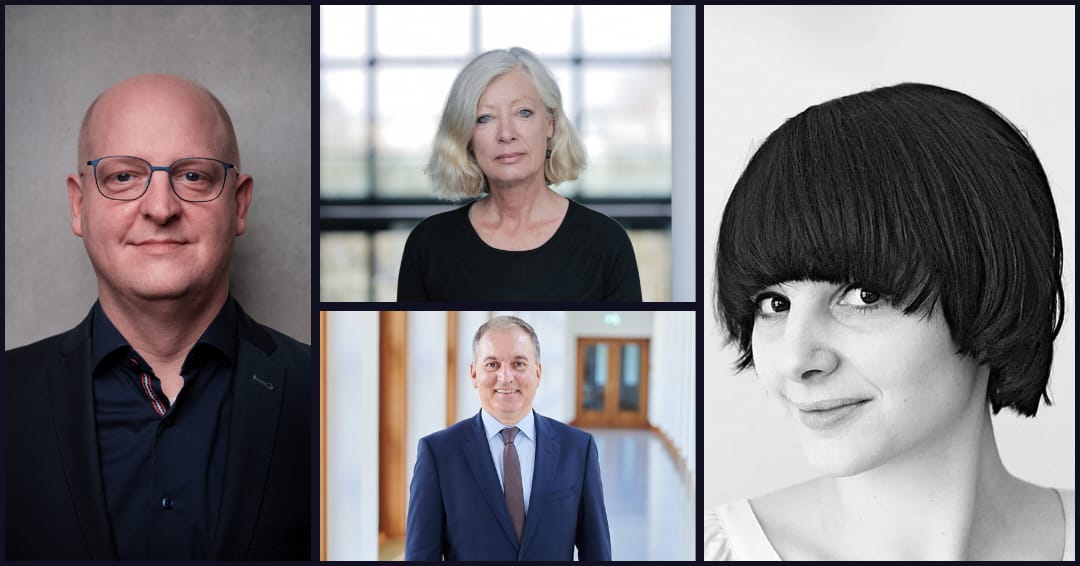
Cathrin Kahlweit in conversation with Henning Homann, Vito Cecere and Eva Konzett
Bundestag election 2025: a turning point in German politics
The early elections in Germany on 23 February are over. The 2025 Bundestag election campaign was largely characterised by the issues of migration and asylum - and culminated in a heated debate on whether the CDU/CSU and FDP should have voted together in the Bundestag with the AfD, which is partly on the far right, in favour of tightening immigration policy.
However, the attempt to defeat the AfD with its own weapons failed: the xenophobic party gained just under 21 per cent nationwide and became the strongest force in all five eastern German states.
The CDU/CSU and SPD are now negotiating a centrist coalition, while the political fringes, the AfD as the largest opposition party and the unexpectedly successful Left Party, are united in their rejection of continued military support for Ukraine and a higher defence budget. It is therefore questionable whether the Left Party, which had campaigned in favour of the firewall and against any cooperation with the far right, could possibly torpedo central projects of a future grand coalition together with the AfD.
The political developments in Germany and the parallels with Austria therefore raise important questions: How can the further rise of right-wing populists and right-wing extremists be prevented? How can Donald Trump with his anti-European disruption course and Vladimir Putin with his continued aggression be resisted? And how should Germany and its neighbours position themselves in the European context in the face of the major challenge of a disintegrating world order?
Henning Homann is a German SPD politician and has been Chairman of the SPD parliamentary group in the Saxon state parliament since 2025. He was previously General Secretary and Co-Chairman of the SPD Saxony and has been a member of the state parliament since 2009.
Vito Cecere is the German ambassador in Vienna and has worked for the SPD party executive committee as well as for the Federal Ministry of Labour and the Foreign Ministry, focusing on strategic planning, culture, media, communication and science.
Eva Konzett is deputy editor-in-chief of Falter, where she heads the politics section.
Cathrin Kahlweit, SZ correspondent for many years, is a publicist and presenter.