HISTORIOGRAPHY BETWEEN MYTHS AND LEGENDS - EPISODE 6
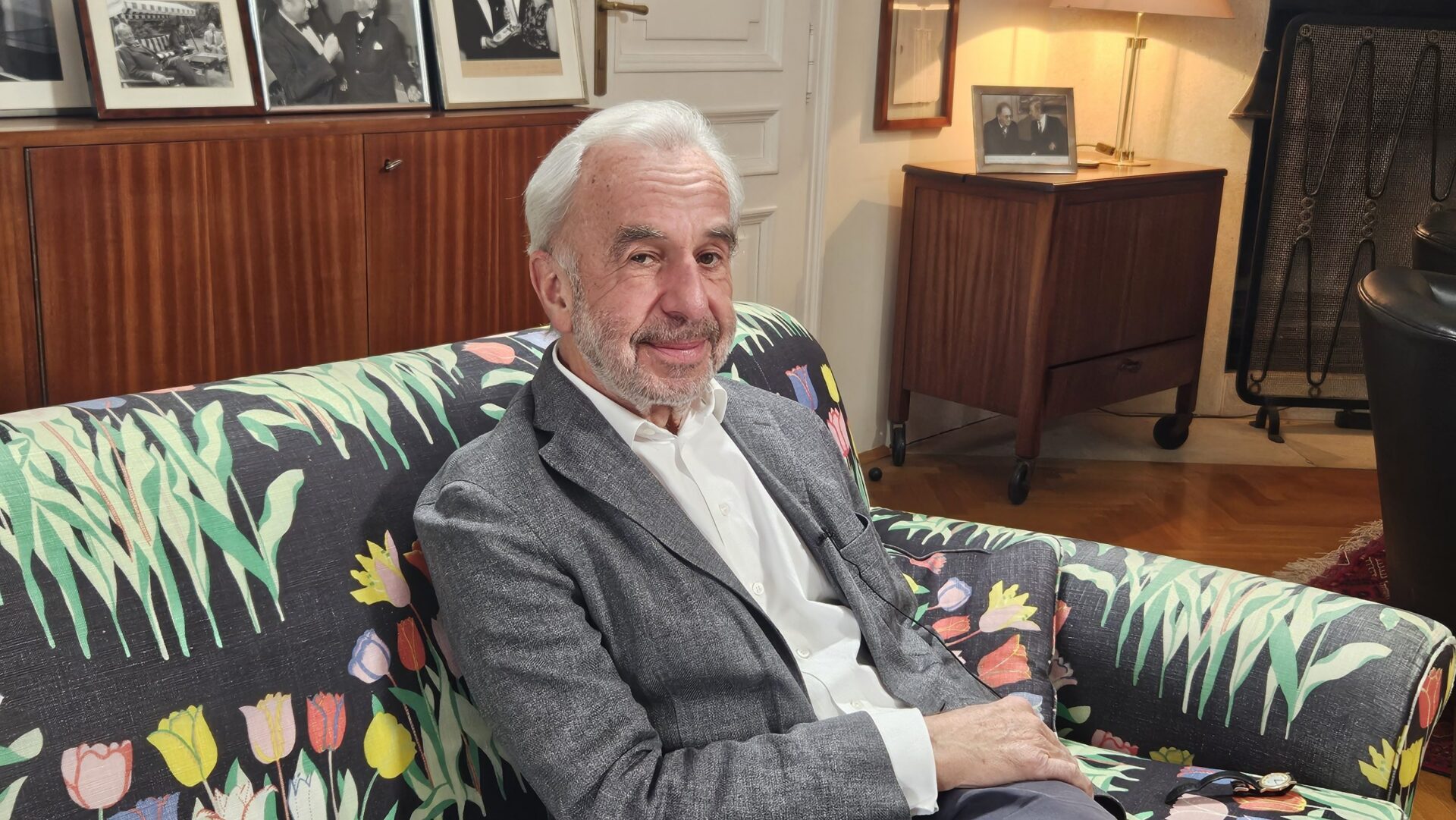
YOUTUBE PREMIERE FROM KREISKY'S LIVING ROOM
Rudolf Scholten and Wolfgang Maderthaner
HISTORICAL WRITING BETWEEN MYTHS AND LEGENDS - Episode 6
The early Habsburgs: power politics in the Middle Ages
In another instalment of their talks on myths and legends in Austrian history, Rudolf Scholten and Wolfgang Maderthaner take us back to the early days of Habsburg rule over Austria.
They begin with the founding father of the Habsburg dynasty, Rudolf I, a power strategist who, as a minor count based in the Swiss canton of Aargau, succeeded in being elected Roman-German king in 1273. He persistently expanded his sphere of influence and after the Battle of Marchfeld (1278), in which his powerful rival, Bohemian King Ottokar, died, he became ruler of what was then Austria - the heart of the future Danube monarchy with Vienna as its capital. He was succeeded in 1290 by his son Albrecht, who was only elected German king by the electors after an interlude with Adolf of Nassau. Albrecht I was murdered by his nephew Johann in 1308, earning him the nickname Parricida (murderer of relatives).
How did the first Habsburgs assert their claims to power? How did they deal with their opponents? What instruments did they have at their disposal to exercise their power, what tactics did they use? What happened in their lands, what revolts did they have to contend with? How was the Habsburg state structured at the time - compared to today? How did knightly battles like the mighty one in the Marchfeld, between the present-day Lower Austrian communities of Dürnkurt and Jedenspeigen, unfold? What legal tricks were used to depose an elected but unpopular king in the Middle Ages? And what happened to regicides? Rudolf Scholten and Wolfgang Maderthaner talk about this in Kreisky's living room.
Wolfgang Maderthaner, Historian, Association for the History of the Labour Movement
Rudolf Scholten, President of the Bruno Kreisky Forum