THE IRANIAN NUCLEAR FILE: WHAT'S NEXT?
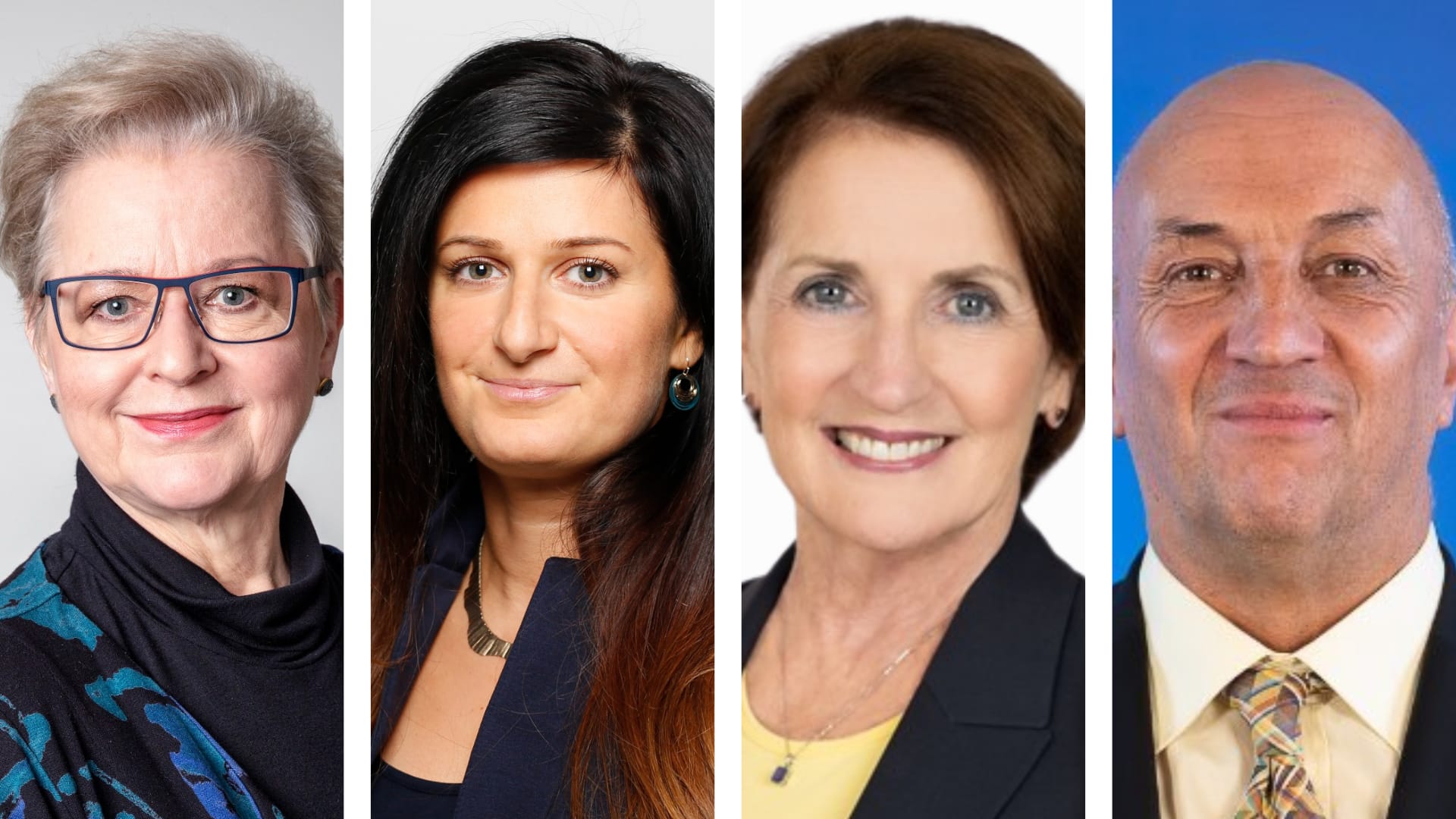
Gudrun Harrer in conversation with Azadeh Zamirirad, Laura Rockwood and Stephan Klement
THE IRANIAN NUCLEAR FILE: WHAT'S NEXT?
October 2025 is a decisive month for security and stability in the Middle East and for the international community's relationship with the Islamic Republic of Iran. It is a question of major European interest. In August, the so-called E3 - United Kingdom, France and Germany - announced the “snapback” mechanism under UN Security Council Resolution 2231: This was the resolution which in July 2015 endorsed the JCPOA (Joint Comprehensive Plan of Action), in the media commonly called “nuclear deal”. Iran is considered in violation of the JCPOA and, if it does not fulfil certain requirements like close cooperation with the IAEA (International Atomic Energy Agency), under the snapback mechanism formerly lifted sanctions will be restored. Iranian officials on various occasions threatened Iran's withdrawal from the NPT (Non-Proliferation Treaty).
The JCPOA limited and monitored Iran's uranium enrichment programme, its implementation worked well until in May 2018 President Donald Trump withdrew the US from the deal. In 2019 Iran started to break the JCPOA's rules, later its enrichment reached the alarming level of 60 per cent, too high for any civilian purpose, although lower than what is conventionally considered “weapons grade” uranium. In June 2025, Israel attacked - among other targets - Iran's nuclear sites and was assisted by the US which bombed underground enrichment facilities in Fordow and Natanz. The exact state of Iran's enrichment programme after the attack is unclear, currently also the whereabouts of 440 kg of uranium enriched to 60 percent are unknown. There were indications of internal struggles in the Iranian political elites how to proceed, to compromise with the IAEA and with the US which asks “zero enrichment” or to bear the costs which could amount to a new war.
When our panel of distinguished experts for the nuclear question and for Iran meet at the Bruno Kreisky Forum on 20th October, decisions - which cannot be predicted at the moment of this writing - will have been made by Iran and by his counterparts. The panel will discuss accordingly: what could be next and what are the prospects to finally reach a stable solution of the nuclear dispute with Iran.
Azadeh Zamirirad, Iran expert, Deputy Head of the Research Division on the Middle East and Africa at the German Institute for International and Security Affairs (SWP). The SWP advises the German Bundestag and the Federal Government on all matters of foreign and security policy...
Laura Rockwood, Non-Resident Senior Fellow at the Vienna Centre for Disarmament and Non-Proliferation (VCDNP). Rockwood previously served as the inaugural Director of Open Nuclear Network (ONN) until her retirement in 2022.
Stephan Klement, Special Envoy Non-Proliferation and Disarmament, Special Adviser on Iran Nuclear Issue, former Ambassador and Head of Delegation
Gudrun Harrer, Senior Editor, Der Standard; Lecturer in Modern History and Politics of the Middle East at the University of Vienna and the Diplomatic Academy of Vienna