WHO WILL SAVE LEBANON FROM THE ABYSS?
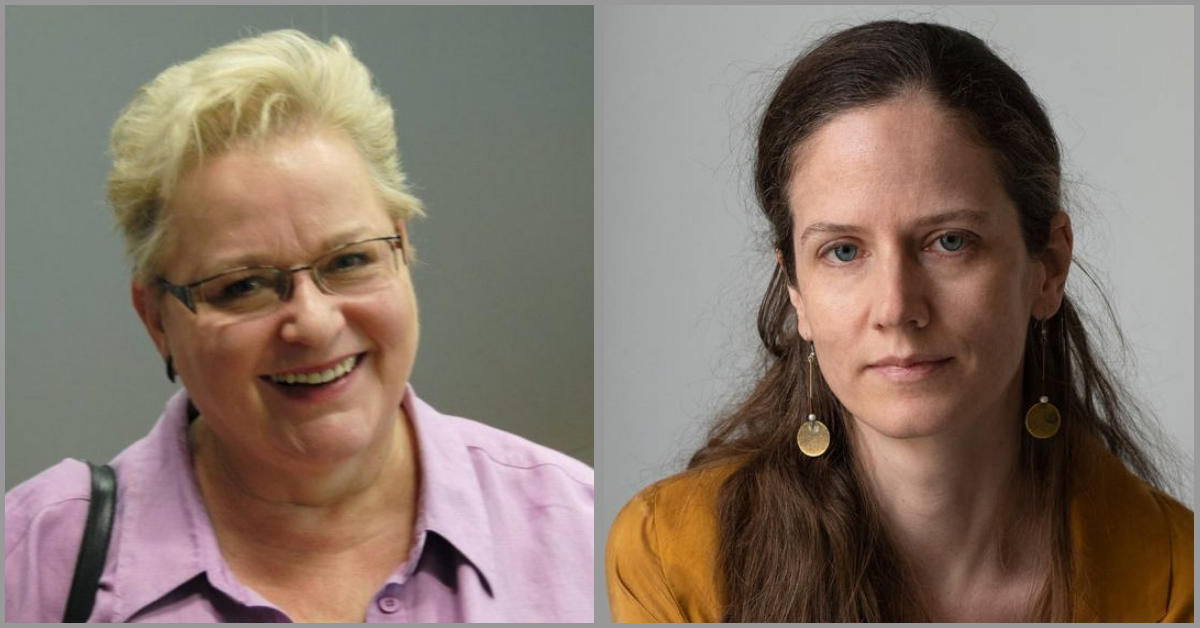
GUDRUN HARRER IN CONVERSATION WITH MONIKA BOLLIGER
WHO WILL SAVE LEBANON FROM THE ABYSS?
In Lebanon, political power is distributed according to quotas for religious groups. A system that was supposed to protect minorities has led to a consolidation of religious identities and a deepening of rifts. The civil war cemented these rifts, and the warlords of that time still rule the country like mafia bosses today - while claiming to defend their respective religious groups. In 2019, a broad-based protest movement attempted to bridge the rifts, but by then the country was already hurtling towards the abyss. After the economy collapsed, there was also a huge explosion at the port of Beirut, which devastated large parts of the Lebanese capital and traumatised its inhabitants. Now the people are having to devote all their energy to getting through everyday life, while the politicians are showing no signs of realisation. Lebanon needs radical change - but is this possible under the current circumstances?
Monika Bolliger studied history, Arabic studies and international law at the University of Zurich. Between 2012 and 2018, she lived in Jerusalem, Cairo and Beirut as a correspondent for the Neue Zürcher Zeitung. Since spring 2021, she has been an editor at Der Spiegel, specialising in the Middle East.
Gudrun Harrer, Lecturer for Modern History and Politics of the Near and Middle East at the University of Vienna and at the Diplomatic Academy of Vienna.
Watch the video
Monika Bolliger:
Tripoli. The Middle East as reflected in a city
Rotpunktverlag, February 2022; ISBN 978-3-85869-927-5