Veranstaltungen
OKTOBER
Samstag
17:30 Uhr
24. Okt. 2026
Arbeit, Wirtschaft und Soziales
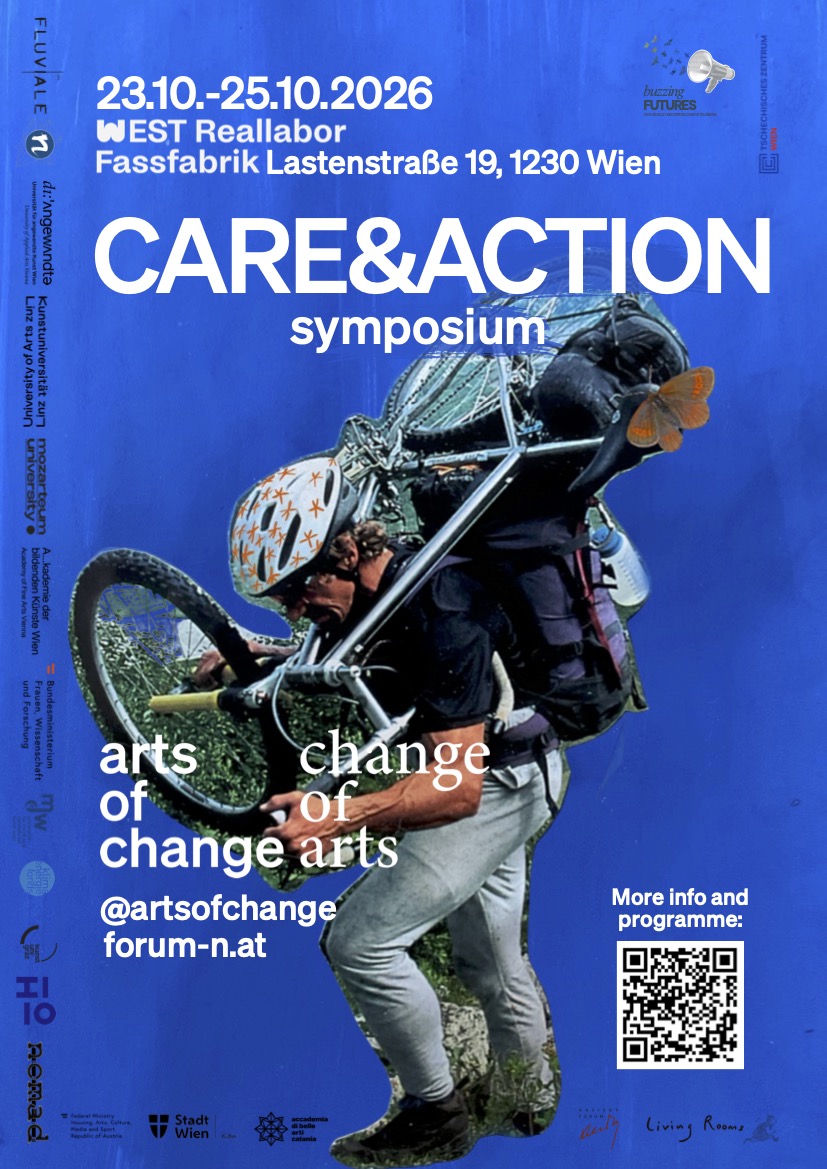
ACHTUNG: VERANSTALTUNG ABGESAGT CARE&ACTION SYMPOSIUM. Wer gegen Wen?
mit Ali Dönmez, Jelena Gučanin, Sara Hassan, Anna Leder und Sophie Reisinger
Podiumsdiskussion
Anmeldung
Mittwoch
19:00 Uhr
28. Okt. 2026
Internationale Politik, Europa und Sicherheit
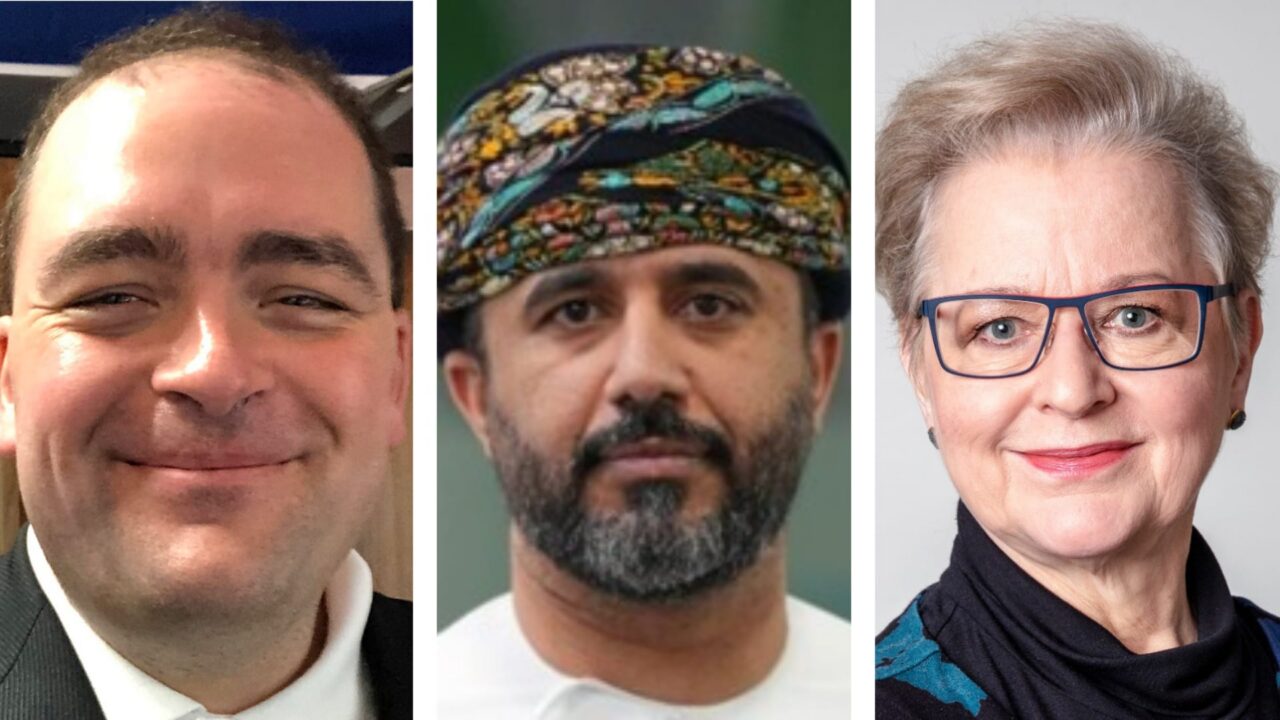
OMAN'S MOMENT? HORMUZ DIPLOMACY AND THE SEARCH FOR A NEW REGIONAL ORDER
Gudrun Harrer im Gespräch mit James Worrall, Yousuf Al Bulushi
ONLINE
Anmeldung
Donnerstag
19:00 Uhr
29. Okt. 2026


Geschichte, Bildung und Wissenschaft
Toxische Männlichkeitsnarrative als Einfallstor für Extremismus? Radikalisierung zwischen Selbstoptimierung und Ideologie
Tessa Szyszkowitz im Gespräch mit Julia Ebner, Andreas Peham
Podiumsdiskussion
Anmeldung
NOVEMBER
Montag
19:00 Uhr
02. Nov. 2026
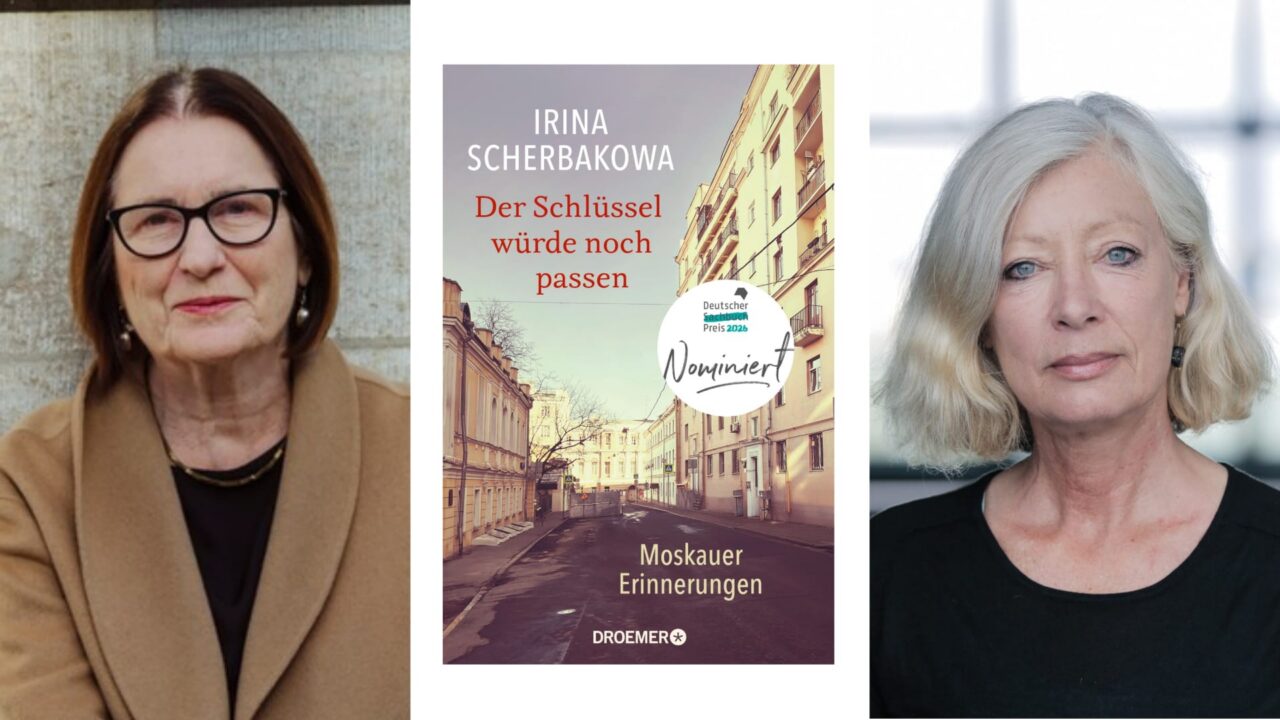
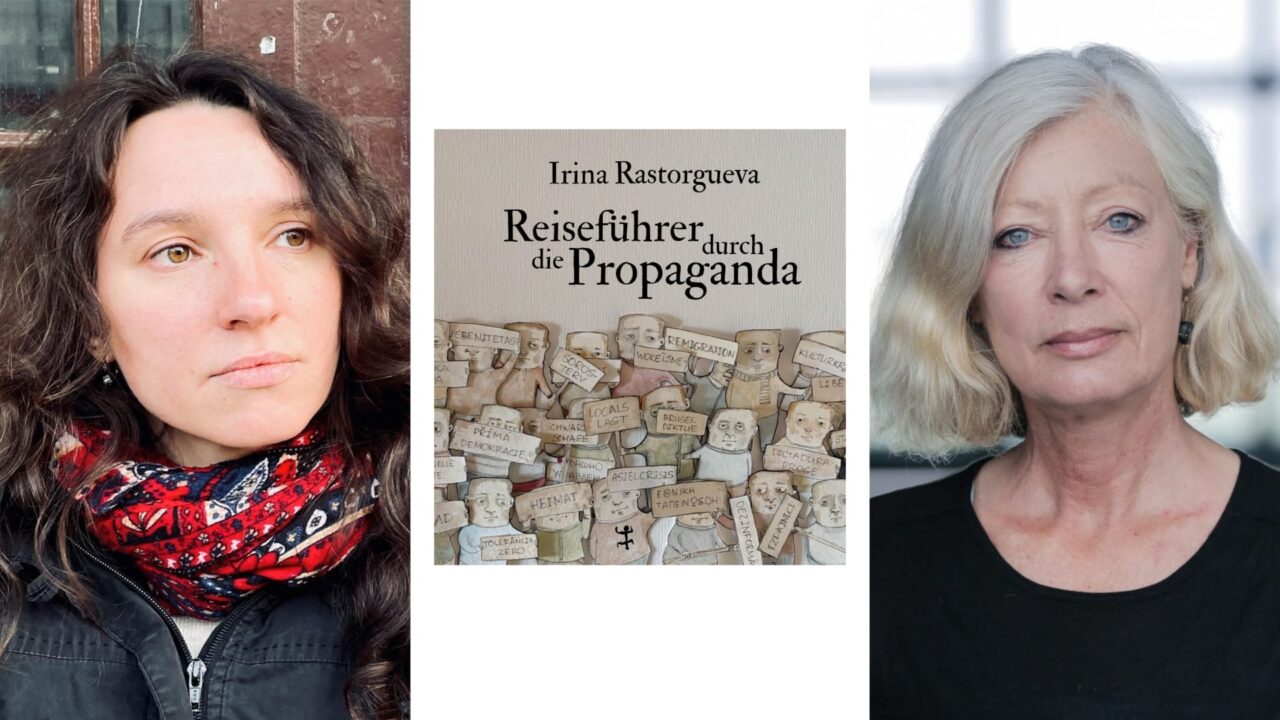
DER SCHLÜSSEL WÜRDE NOCH PASSEN
Cathrin Kahlweit im Gespräch mit Irina Scherbakowa
Podiumsdiskussion
Anmeldung
Dienstag
18:00 Uhr
03. Nov. 2026

Geschichte, Bildung und Wissenschaft
GELD ALLEIN IST NOCH KEIN SCHULFACH
mit Univ. Prof.in Nicole Ackermann
Bruno Kreisky Special
Anmeldung
Dienstag
19:00 Uhr
03. Nov. 2026
Geschichte, Bildung und Wissenschaft
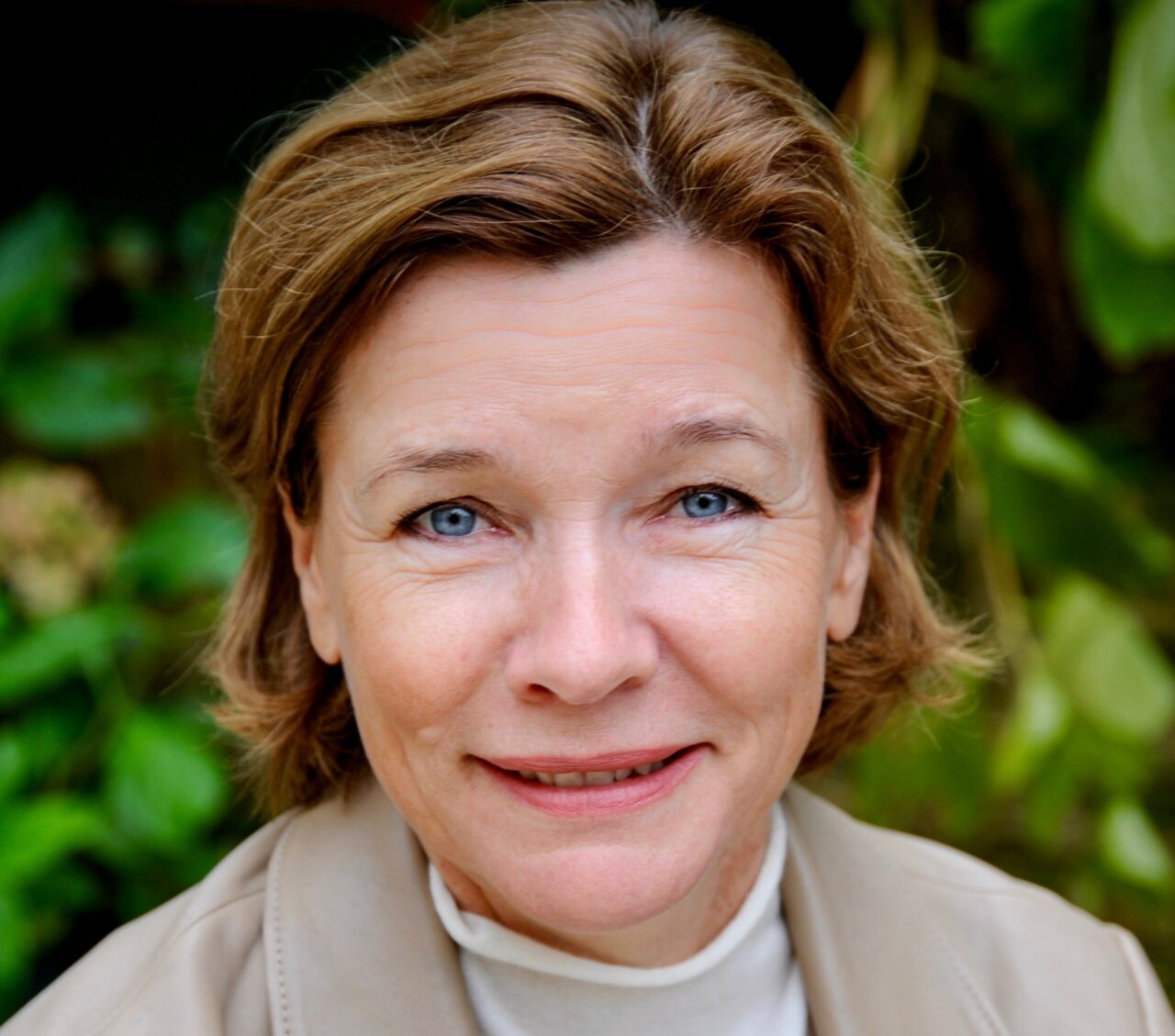
WAS WEIMAR MIT DER AFD VERBINDET - UND WAS NICHT
Tessa Szyszkowitz im Gespräch mit Katja Hoyer
Podiumsdiskussion
Anmeldung
Mittwoch
18:00 Uhr
04. Nov. 2026

Demokratie, Diversität und Zusammenhalt
ARI RATH PREIS FÜR KRITISCHEN JOURNALISMUS
mit Alexandra Föderl-Schmid, Ferdiand Lacina, Hans Rauscher, Heide Schmidt, Renata Schmidtkunz
Bruno Kreisky Special
Anmeldung
Donnerstag
17:00 Uhr
05. Nov. 2026

Internationale Politik, Europa und Sicherheit
ISRAEL AFTER THE VOTE: UNDERSTANDING THE ELECTION RESULTS AND WHAT COMES NEXT
mit Moran Stern, Tal Schneider, Thair Ani-Ras, Amir Tibon
ONLINE
Anmeldung
Donnerstag
18:00 Uhr
12. Nov. 2026
Mittwoch
19:00 Uhr
18. Nov. 2026
Demokratie, Diversität und Zusammenhalt
THE (UNSEEN) POWER OF THE COMMONS IN REINVENTING DEMOCRACY
mit Hendrik Wagenaar, Sonia Bussu and David Bollier
Podiumsdiskussion
Anmeldung
Donnerstag
19:00 Uhr
19. Nov. 2026
Internationale Politik, Europa und Sicherheit
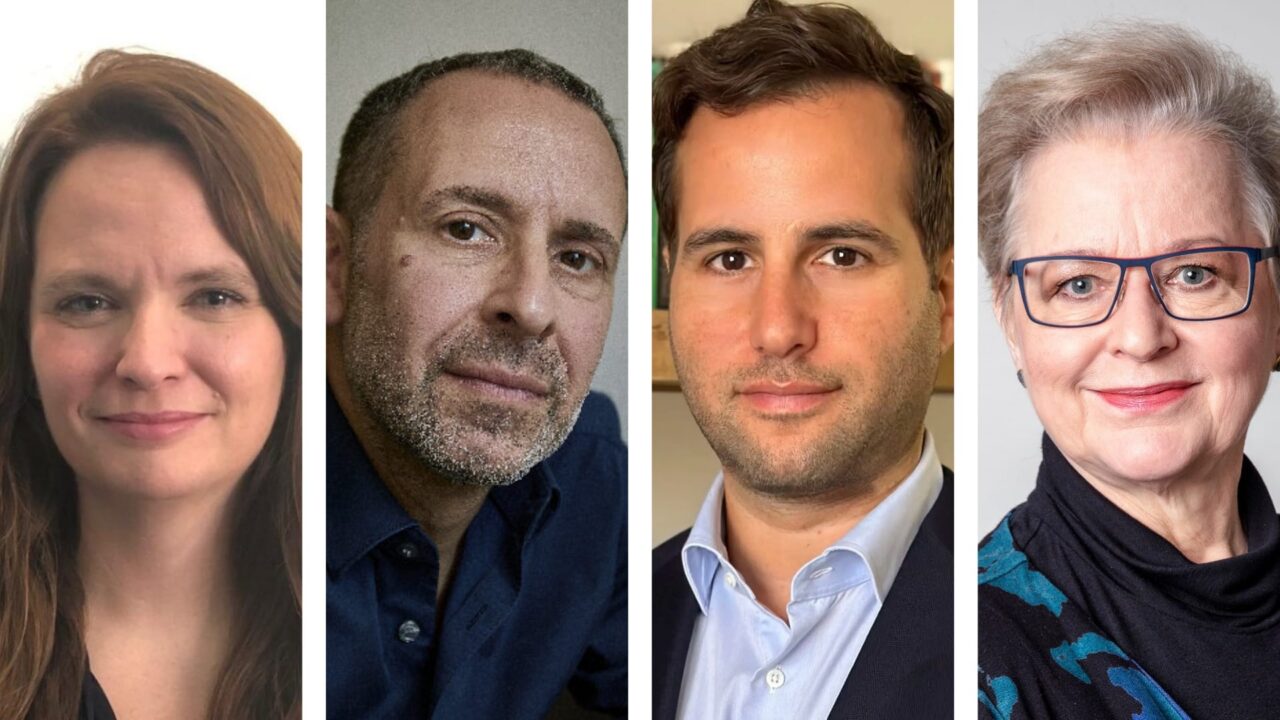
Israel‘s relations to the Arab World after the elections
Gudrun Harrer im Gespräch mit Anna Jacobs, Daniel Levy, Omar H. Rahman
ONLINE
Anmeldung
Dienstag
19:00 Uhr
24. Nov. 2026
Internationale Politik, Europa und Sicherheit
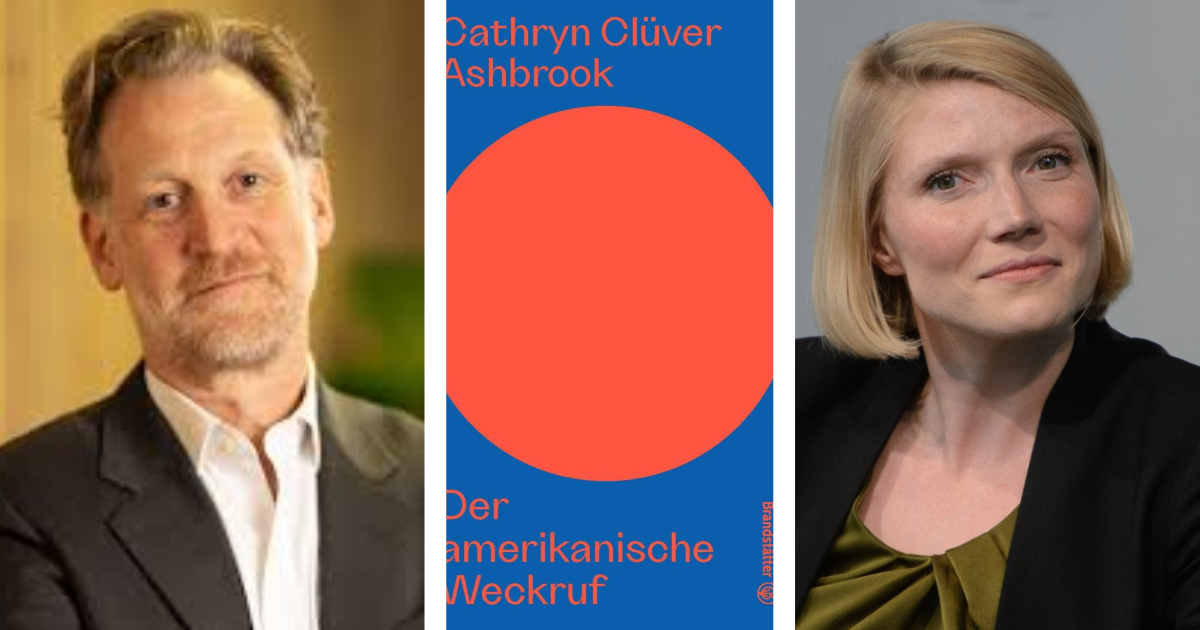
DER AMERIKANISCHE WECKRUF
Helfried Carl im Gespräch mit Cathryn Clüver Ashbrook
Podiumsdiskussion
Anmeldung
Dienstag
19:00 Uhr
24. Nov. 2026
Demokratie, Diversität und Zusammenhalt
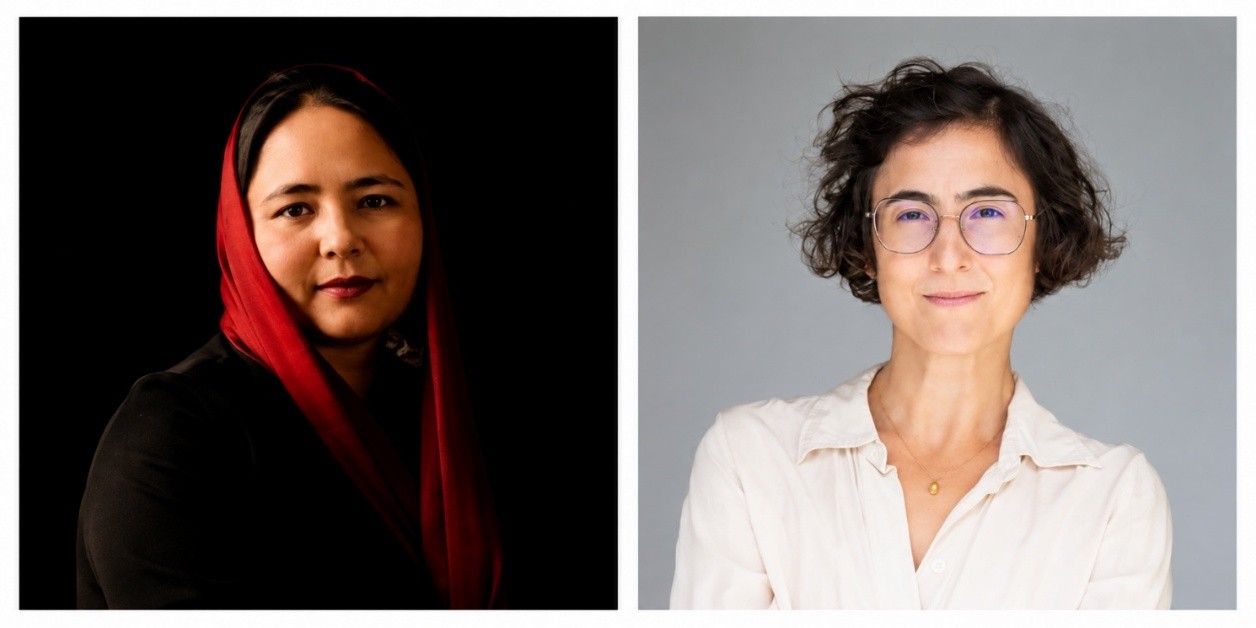
An Afghan warning for every woman
Solmaz Khorsand im Gespräch mit Zahra Joya
Donnerstag
19:00 Uhr
26. Nov. 2026
Demokratie, Diversität und Zusammenhalt
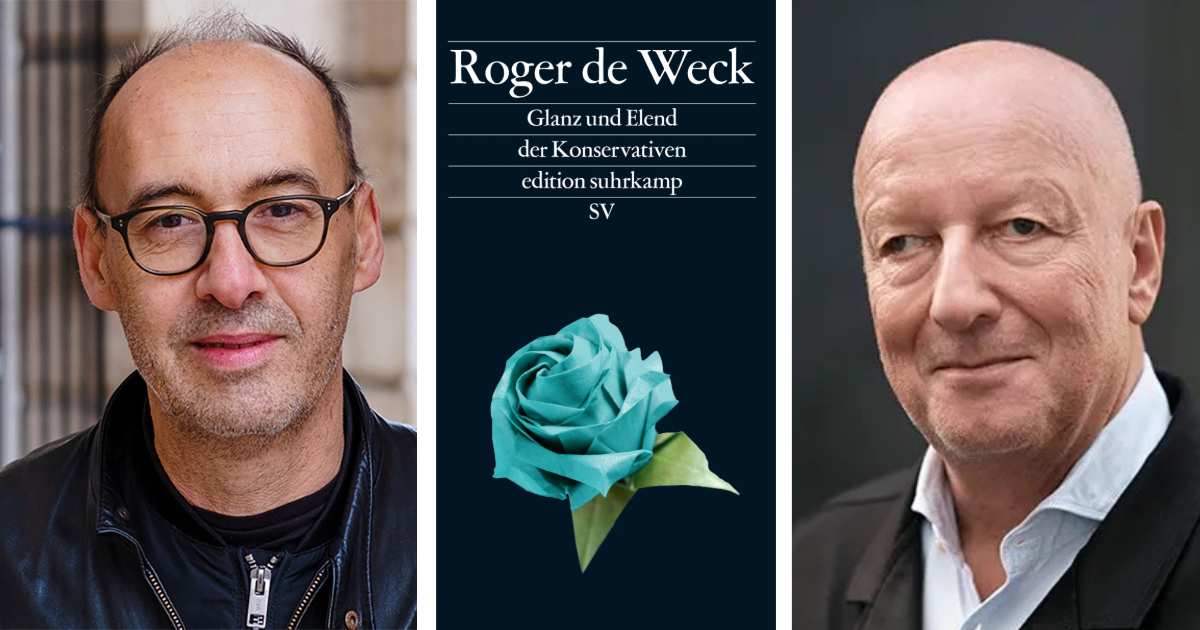
GLANZ UND ELEND DER KONSERVATIVEN
Robert Misik im Gespräch mit Roger de Weck
Podiumsdiskussion
Anmeldung
Montag
19:00 Uhr
30. Nov. 2026
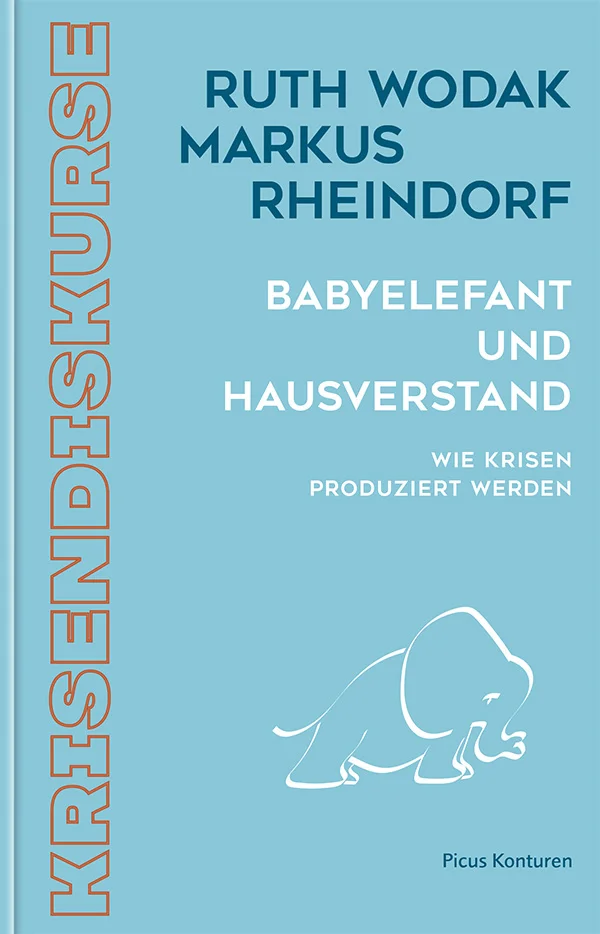
BABYELEFANT UND HAUSVERSTAND
Cathrin Kahlweit im Gespräch mit Ruth Wodak, Markus Rheindorf, Barbara Prainsack
DEZEMBER
Dienstag
19:00 Uhr
01. Dez. 2026
Mittwoch
18:30 Uhr
02. Dez. 2026
Internationale Politik, Europa und Sicherheit
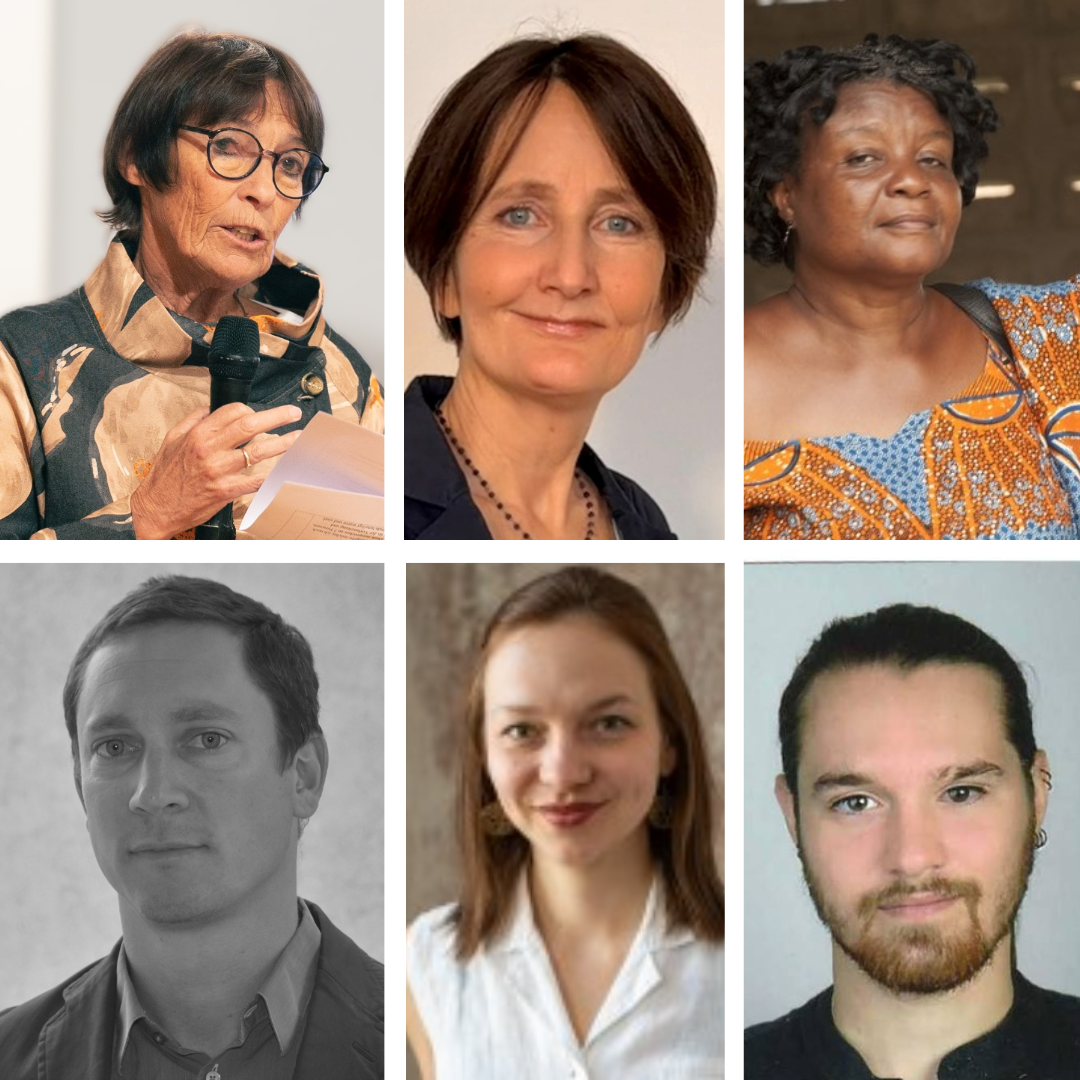
Rising Gold Prices: What Lies Behind the Shine?
mit Karin Küblböck, Matthieu Bolay, Hannah Owusu-Koranteng, Dan Sanaren, Sophia Stanger,
Podiumsdiskussion
Anmeldung
VERGANGENE VERANSTALTUNGEN
Donnerstag
18:30 Uhr
22. Okt. 2026

Geschichte, Bildung und Wissenschaft
21.Verleihung der Bruno Kreisky Preise für Verdienste um die Menschenrechte
mit Michael Ludwig, Oliver Rathkolb, Ewald Nowotny, Frauke Brosius-Gersdorf, Marijana Grandits, Michael Schrenk, Harald Katzmair
Bruno Kreisky Special
Veranstaltung
Mittwoch
19:00 Uhr
21. Okt. 2026


Internationale Politik, Europa und Sicherheit
Famine 2027: The Weaponization of Starvation and Humanitarian Failures in the Horn of Africa and the Middle East
Irene Horejs im Gespräch mit Alex de Waal
Lecture
Veranstaltung
Mittwoch
18:00 Uhr
21. Okt. 2026
Konfliktprävention und Friedensförderung
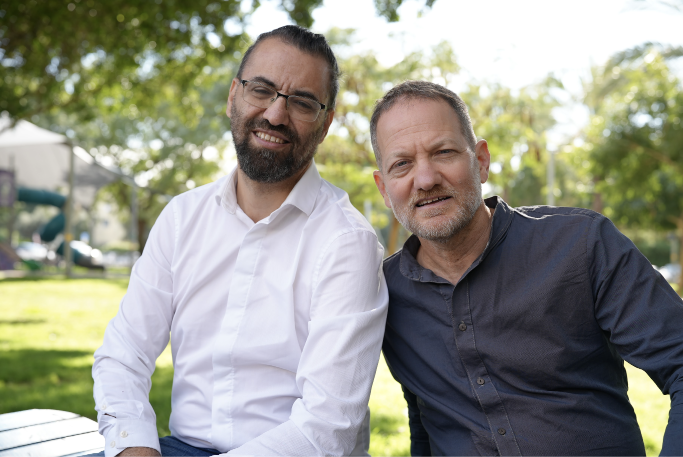
THE FUTURE IS PEACE
Tessa Szyszkowitz im Gespräch mit Aziz Abu Sarah, Maoz Inon
Podiumsdiskussion
Veranstaltung
Montag
19:00 Uhr
19. Okt. 2026
Internationale Politik, Europa und Sicherheit
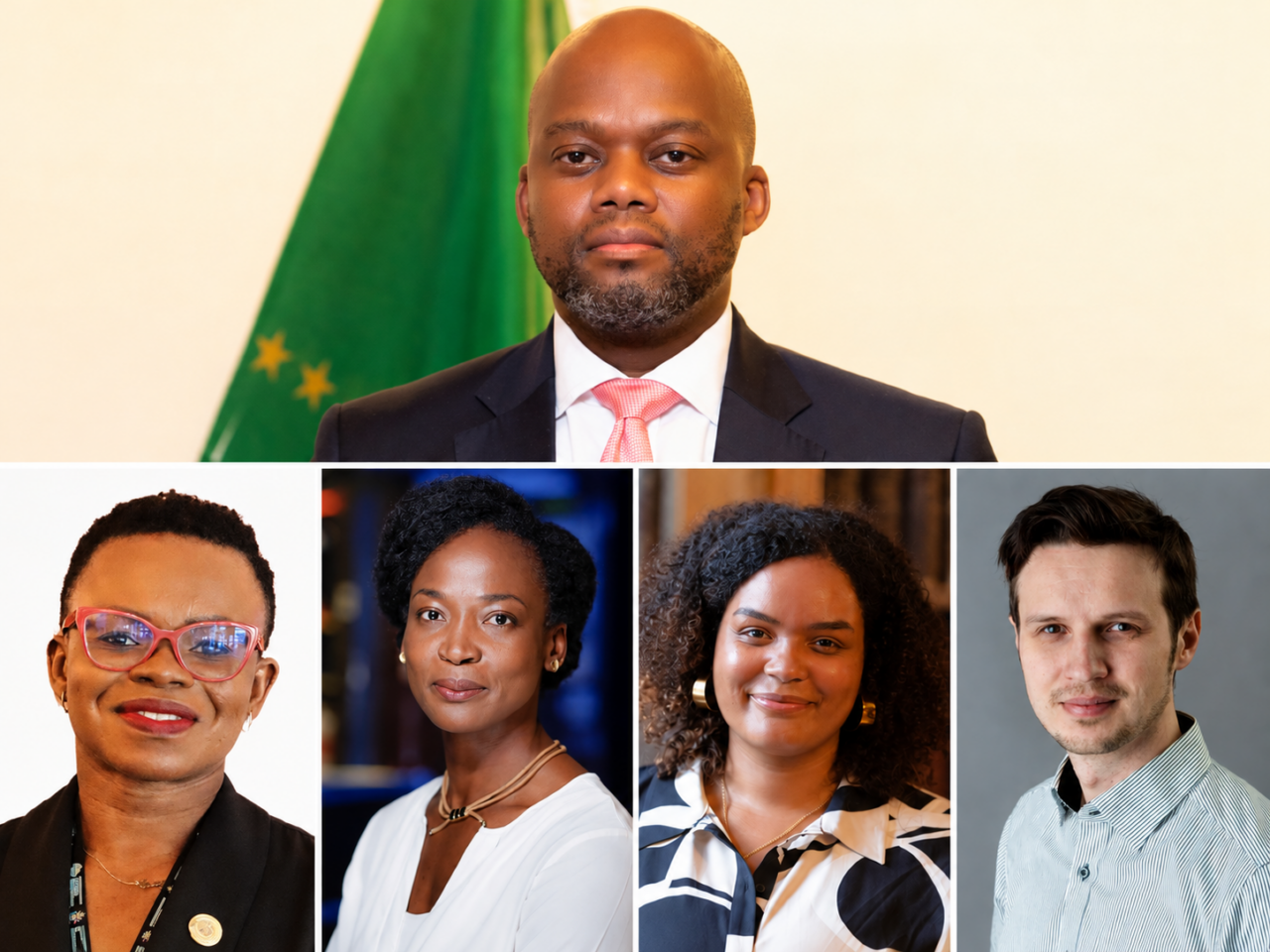
Free trade as a driver for Africa´s economic integration?
mit H.E. Wamkele Mene, Cynthia E. Gnassingbe - Essonam and Leena Koni Hoffmann
Podiumsdiskussion
Veranstaltung
Donnerstag
19:00 Uhr
15. Okt. 2026
Internationale Politik, Europa und Sicherheit
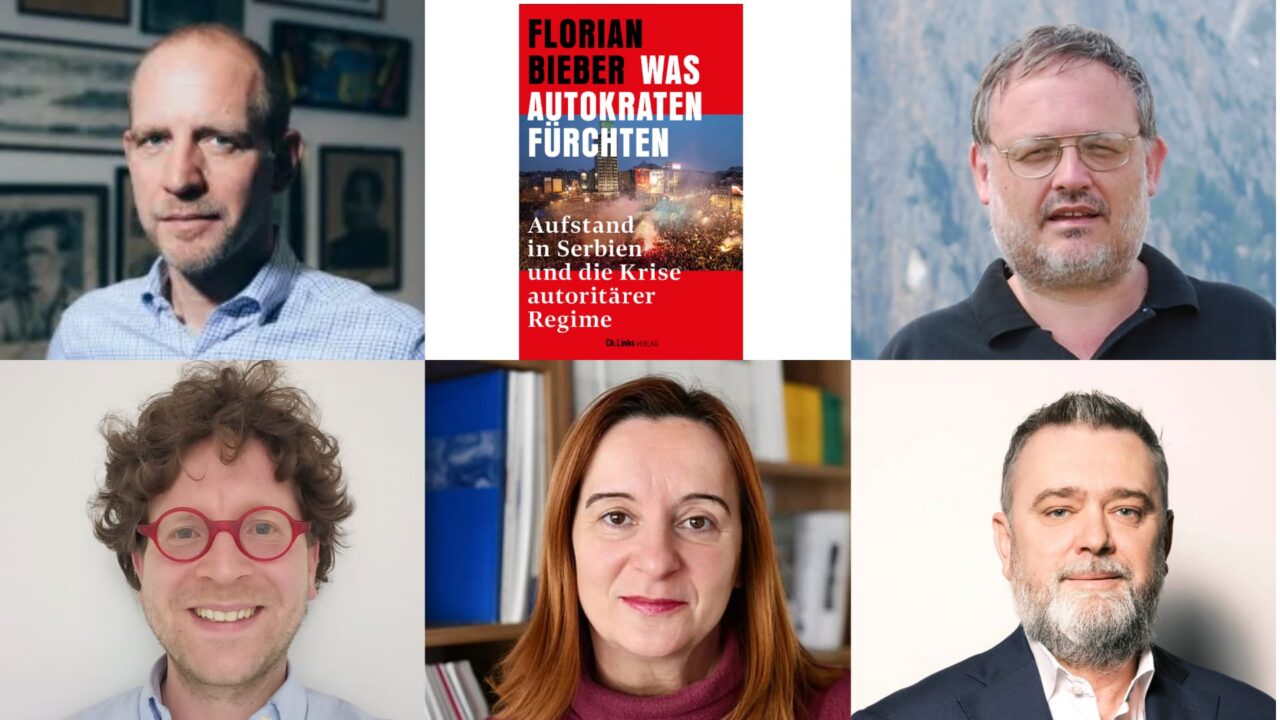
WAS AUTOKRATEN FÜRCHTEN
mit Gregor Mayer im Gespräch mit Florian Bieber, Peter Techet, Noljan Lole & Tanja Topić
Podiumsdiskussion
Veranstaltung
Mittwoch
19:00 Uhr
14. Okt. 2026
Demokratie, Diversität und Zusammenhalt
TANZ AUF DEM VULKAN. Destruktivität im zeitgenössischen Autoritarismus
Robert Misik im Gespräch mit Vera King
Podiumsdiskussion
Veranstaltung
Dienstag
17:00 Uhr
13. Okt. 2026
Demokratie, Diversität und Zusammenhalt
Intercultural Achievement Award 2026
Bruno Kreisky Special
Veranstaltung
Montag
19:00 Uhr
12. Okt. 2026


Shaping Turkey’s Democratic Future - Episode 2:THE BATTLE FOR TURKEY'S OPPOSITION
mit Cengiz Günay, Berk Esen and Görkem Yaz
Dienstag
19:00 Uhr
06. Okt. 2026
Demokratie, Diversität und Zusammenhalt
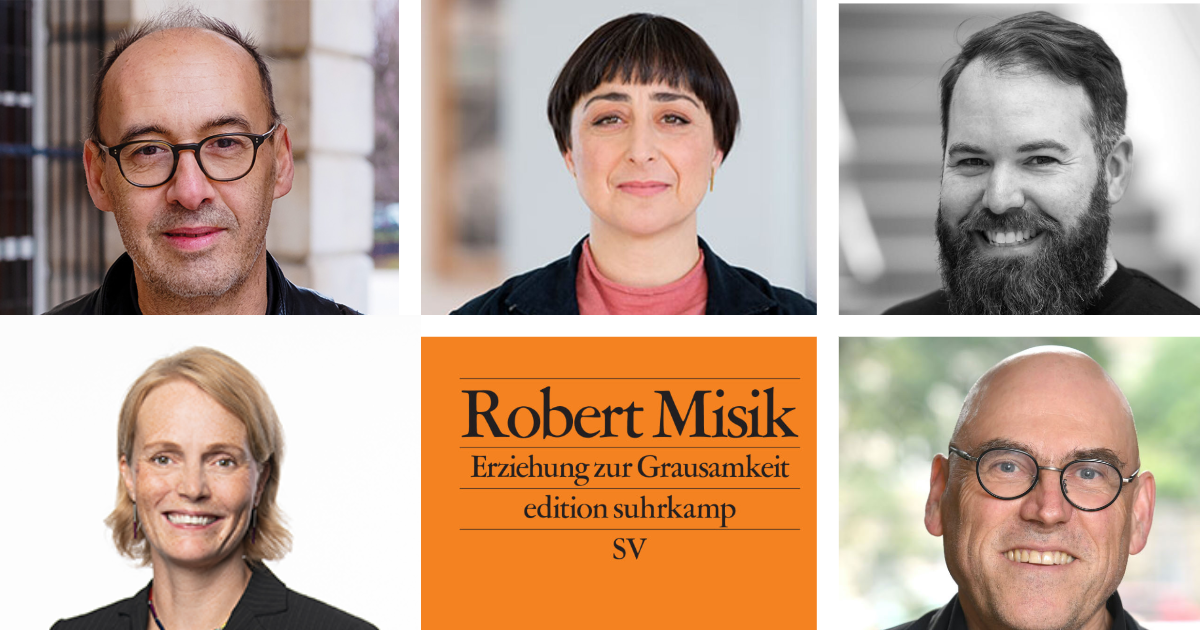
ERZIEHUNG ZUR GRAUSAMKEIT. Die Massenpsychologie des Neuen Faschismus
Robert Misik im Gespräch mit Ilkim Erdost, Markus Brunner, Eva Zeglovits, Wolfgang Schröder
Podiumsdiskussion
Veranstaltung
Montag
19:00 Uhr
05. Okt. 2026

Internationale Politik, Europa und Sicherheit
Realignment in America. How the Midterm Elections 2026 are Shaping the Future
Raimund Löw im Gespräch mit Cas Mudde, Erin Kristin Jenne, Reinhard Heinisch
Podiumsdiskussion
Veranstaltung
Donnerstag
19:00 Uhr
01. Okt. 2026
Demokratie, Diversität und Zusammenhalt
BRAVER NEW WORLD. Mutig in die Zukunft
Tessa Szyszkowitz im Gespräch mit John Kampfner
Podiumsdiskussion
Veranstaltung
Mittwoch
19:00 Uhr
30. Sep. 2026
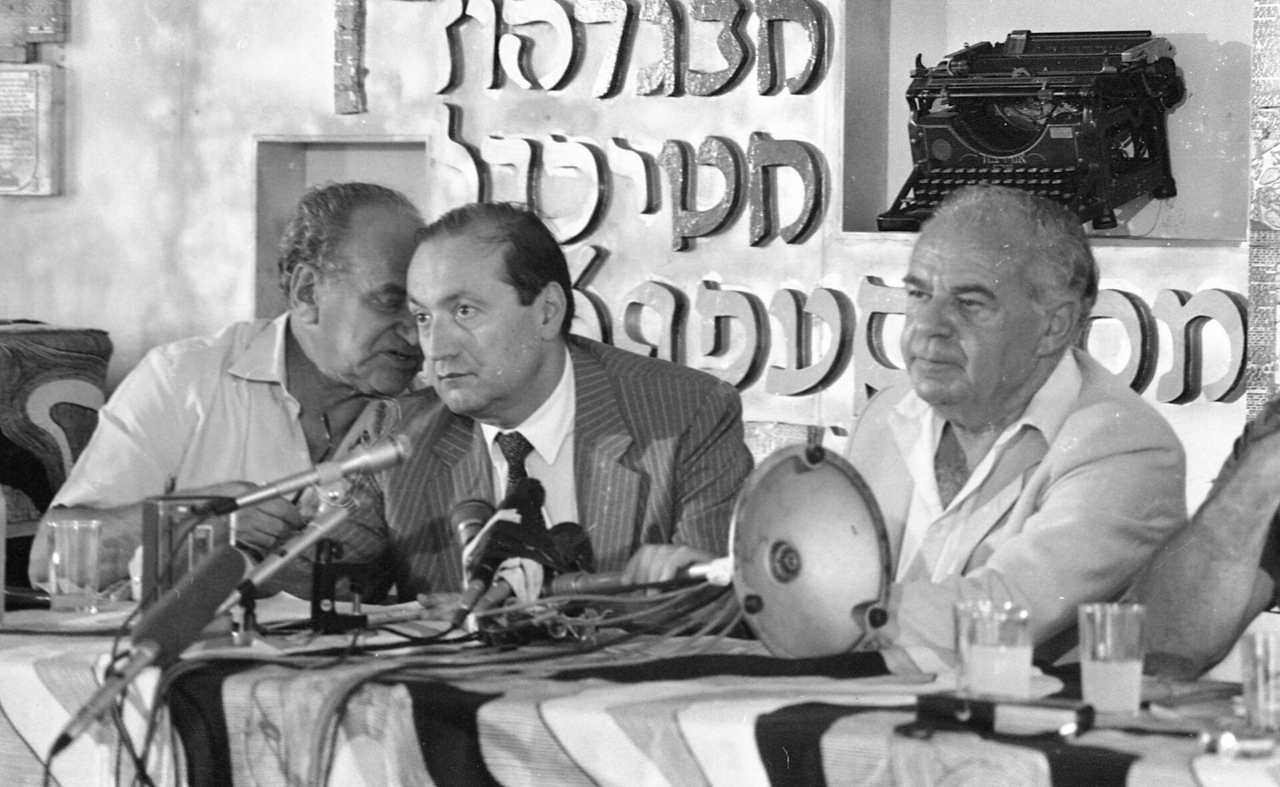
DIPLOMAT UND WHISTLEBLOWER: EIN ABEND IM GEDENKEN AN BOTSCHAFTER HERBERT AMRY
mit René Amry, Tobias Lang, Wolfgang Petritsch, Thomas Riegler, Margit Schmidt
Montag
19:00 Uhr
28. Sep. 2026
Geschichte, Bildung und Wissenschaft
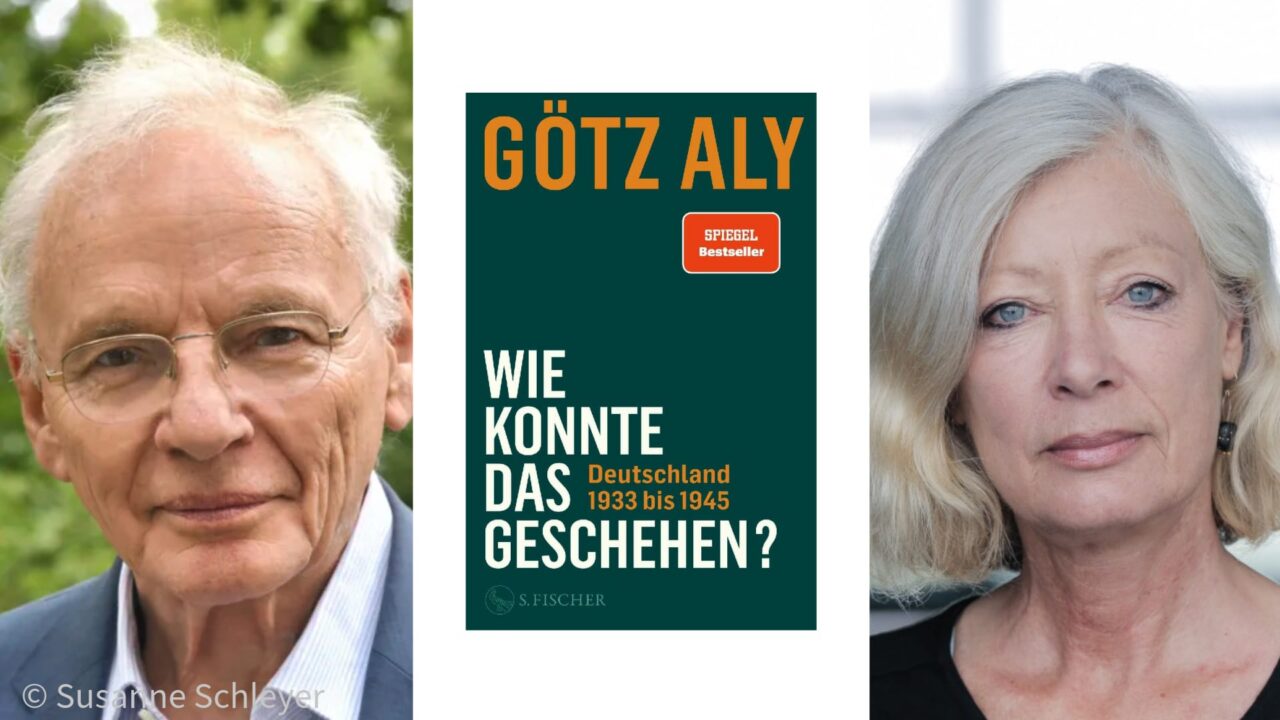
"WIE KONNTE DAS GESCHEHEN?" Götz Aly über den schnellen Weg in die Diktatur
Cathrin Kahlweit im Gespräch mit Götz Aly
Podiumsdiskussion
Veranstaltung
Freitag
19:00 Uhr
25. Sep. 2026
Internationale Politik, Europa und Sicherheit
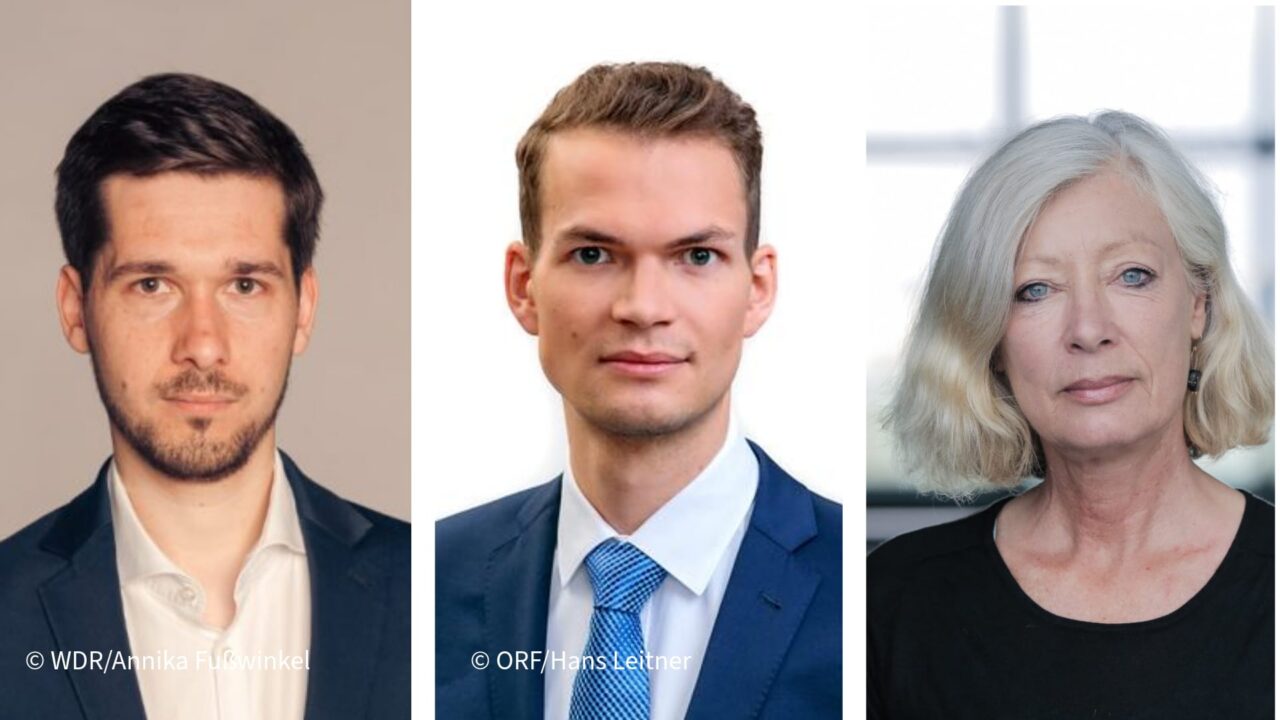
ZWISCHEN KYJIW UND MOSKAU: BERICHTE AUS DEM KRIEG
Cathrin Kahlweit im Gespräch mit Vassili Golod, Paul Krisai
Podiumsdiskussion
Veranstaltung
** FULLY BOOKED **
Mittwoch
19:00 Uhr
23. Sep. 2026
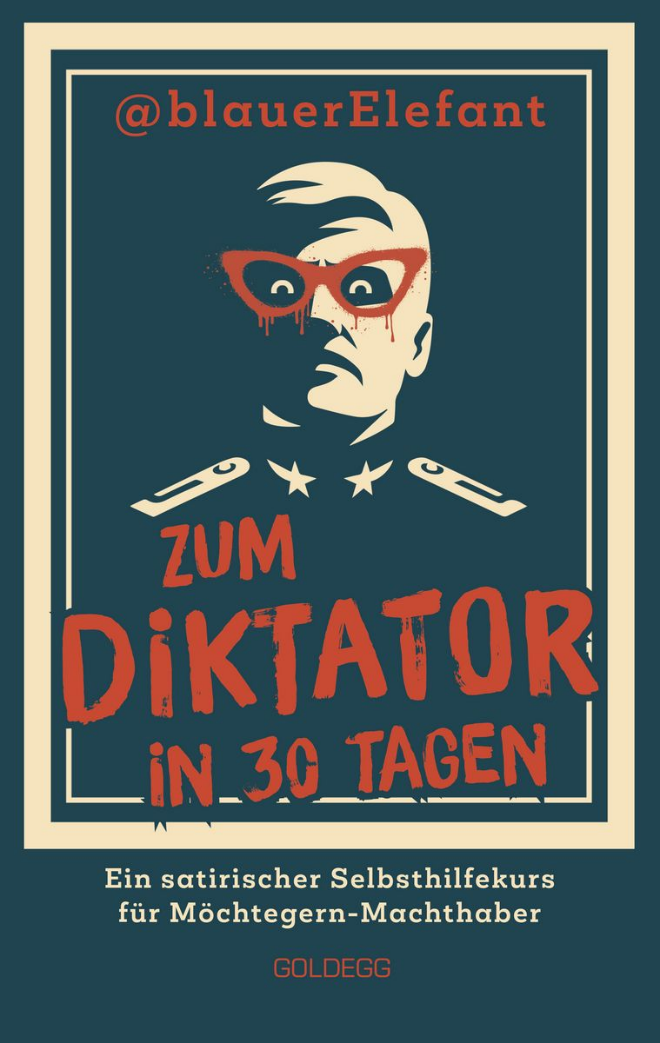
ZUM DIKTATOR IN 30 TAGEN.Über Manipulation, Macht und warum Demokratie Aufmerksamkeit braucht.
mit Blauer Elephant, Daniela Kanoun
Dienstag
19:00 Uhr
22. Sep. 2026

Geschichte, Bildung und Wissenschaft
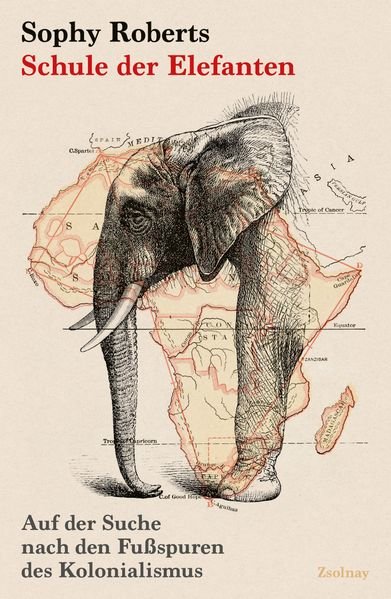
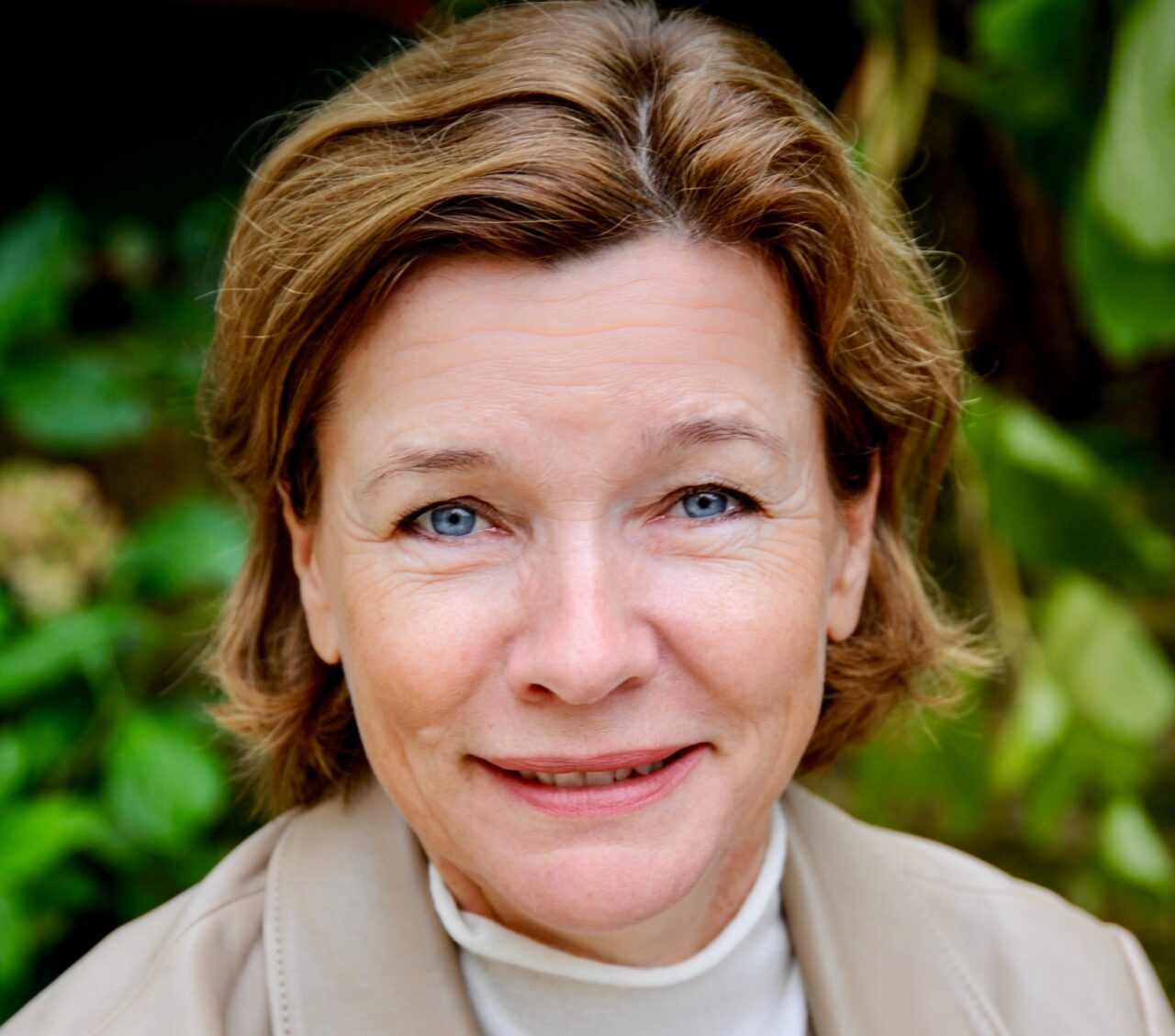
A TRAINING SCHOOL FOR ELEPHANTS
Tessa Szyszkowitz im Gespräch mit Sophie Roberts
** FULLY BOOKED **
Dienstag
18:00 Uhr
22. Sep. 2026
Geschichte, Bildung und Wissenschaft
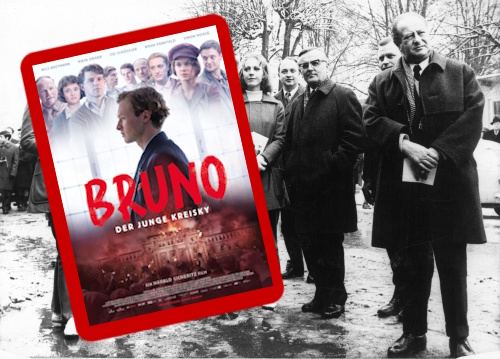
Bruno Kreisky on TOUR - Demokratie braucht Bewegung! & FILM: BRUNO - DER JUNGE KREISKY
mit Eugene Quinn, Harald Sicheritz, Nils Arztmann, Maya Unger, Sabine Kroissenbrunner
Kino
Veranstaltung
Donnerstag
19:00 Uhr
17. Sep. 2026
Demokratie, Diversität und Zusammenhalt
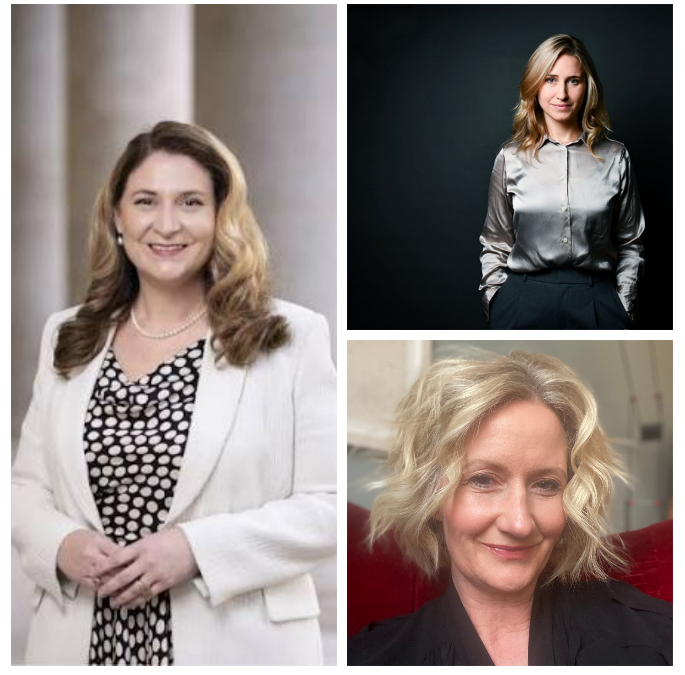
DIE STADT VON MORGEN – LEBENSWERT, INNOVATIV, PRODUKTIV UND SOZIAL GERECHT
mit Barbara Novak, Barbara Tóth und Anna Thalhammer
Podiumsdiskussion
Veranstaltung
Montag
19:00 Uhr
14. Sep. 2026
Geschichte, Bildung und Wissenschaft
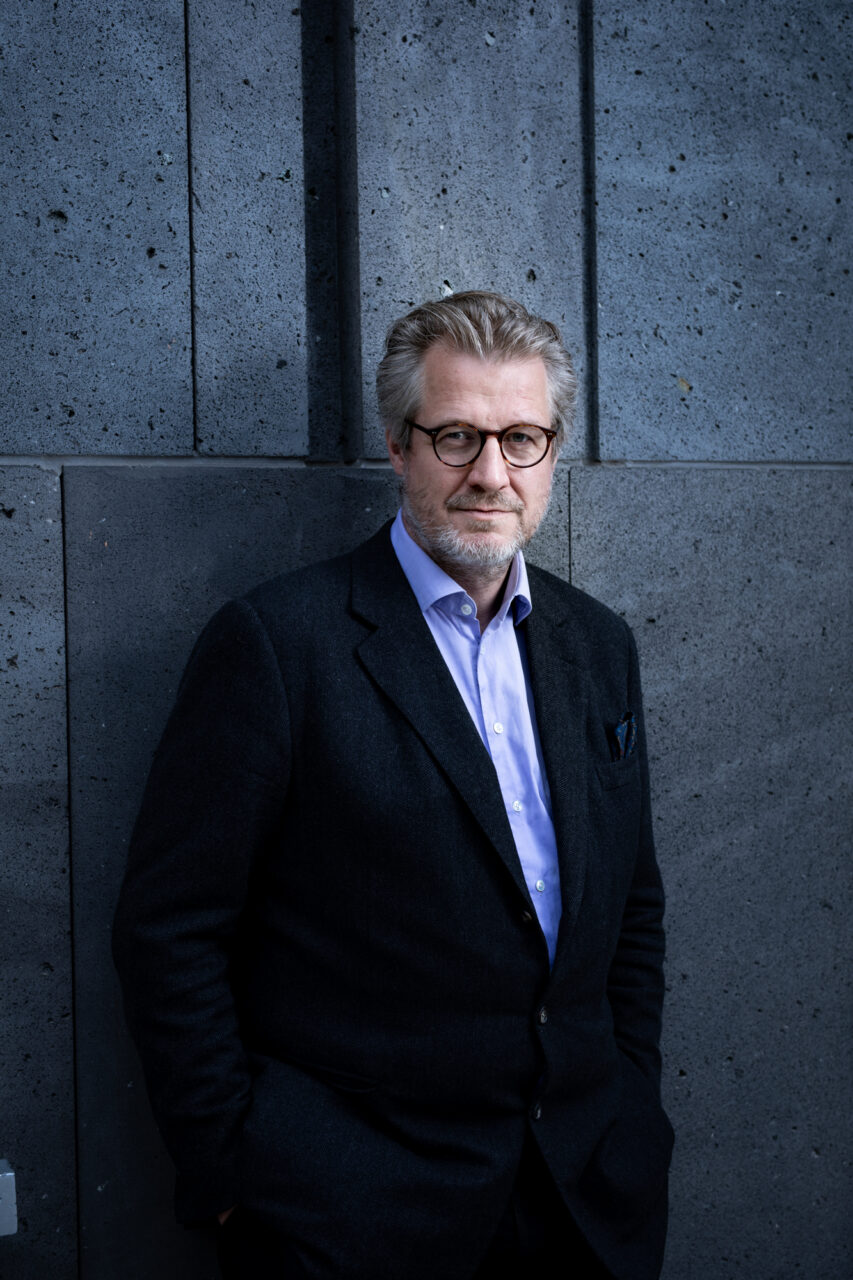
FRANCO MUSS VERGESSEN WERDEN. 90 Jahre Spanischer Bürgerkrieg
Philipp Blom im Gespräch mit Aurora Mejía, Thomas Stölting, Irene Filip, Ute Sonnleitner
Podiumsdiskussion
Veranstaltung
Donnerstag
19:00 Uhr
10. Sep. 2026
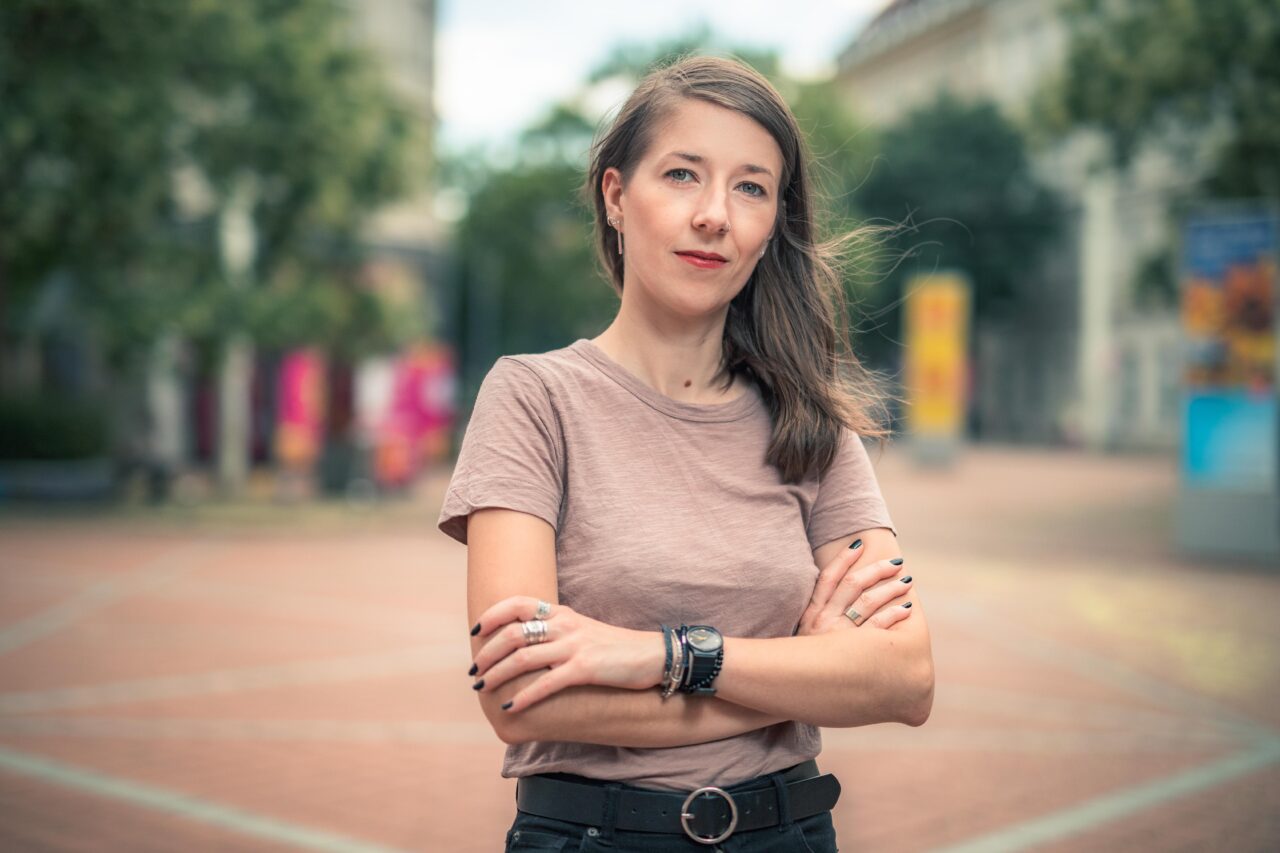
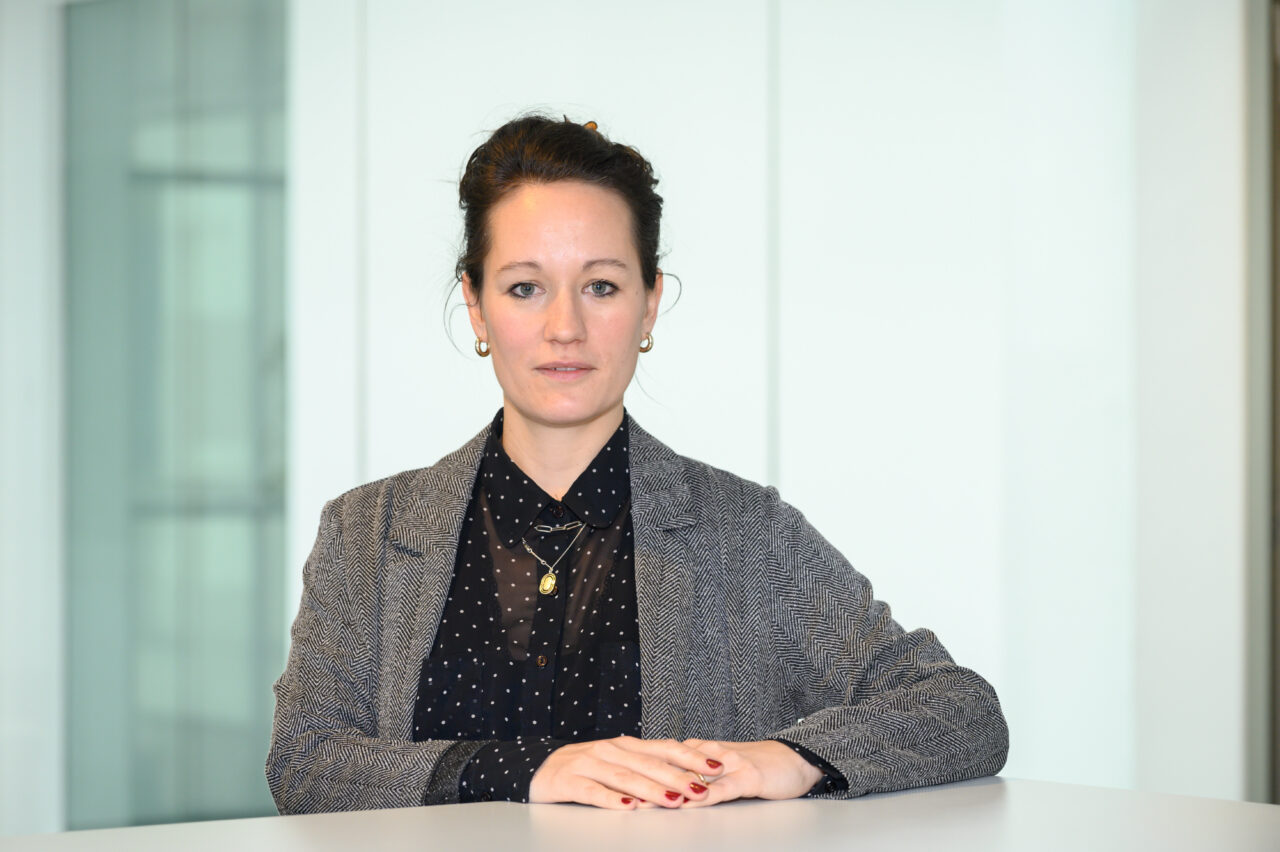
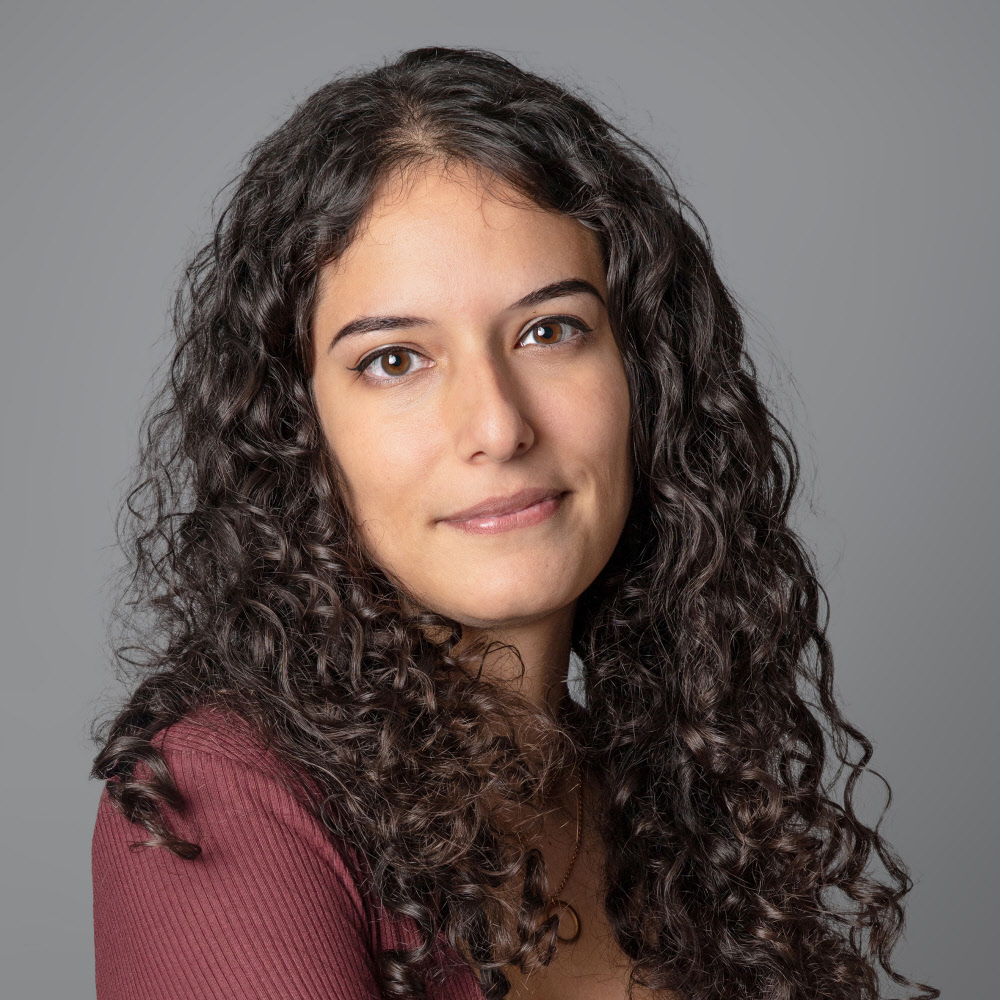
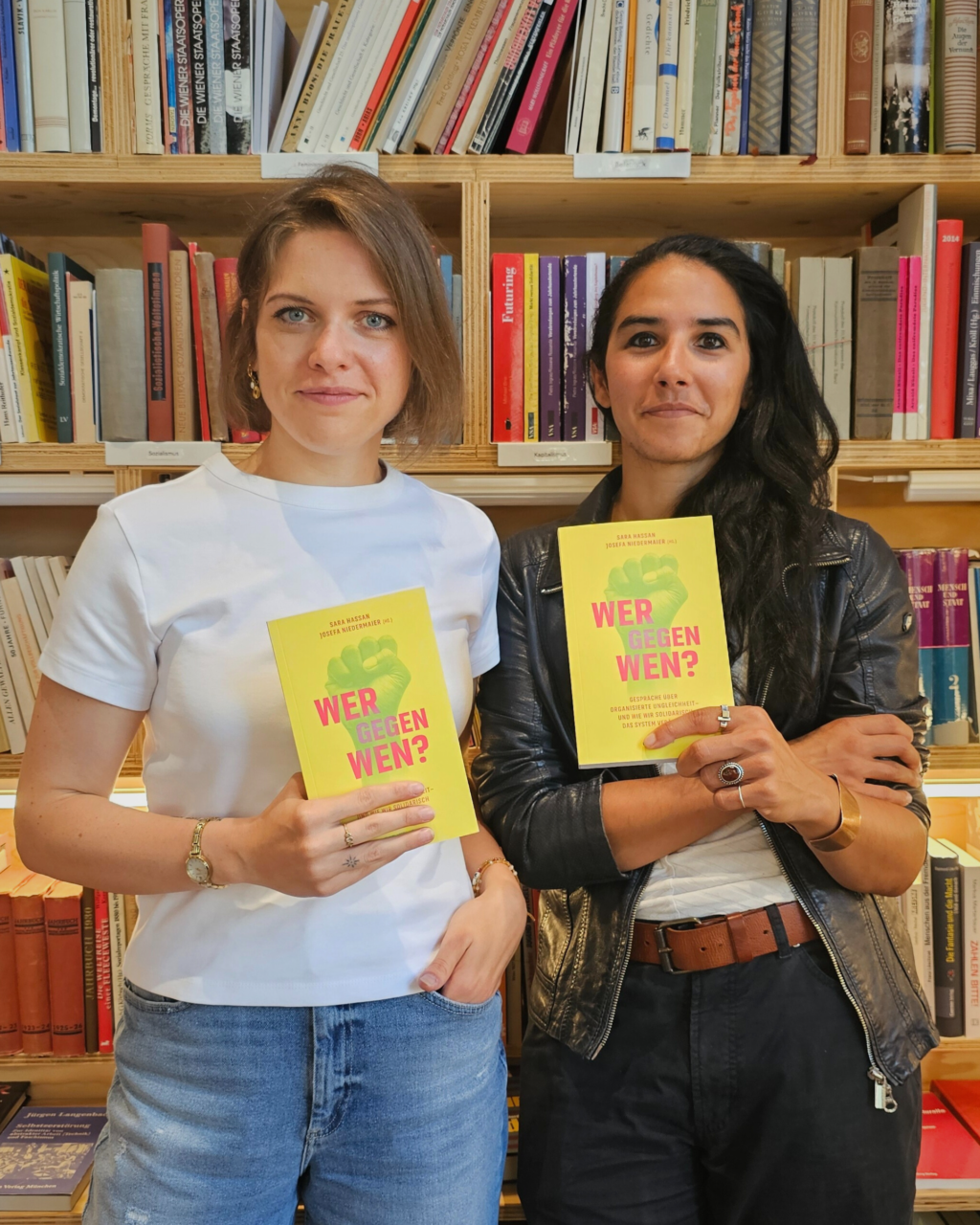
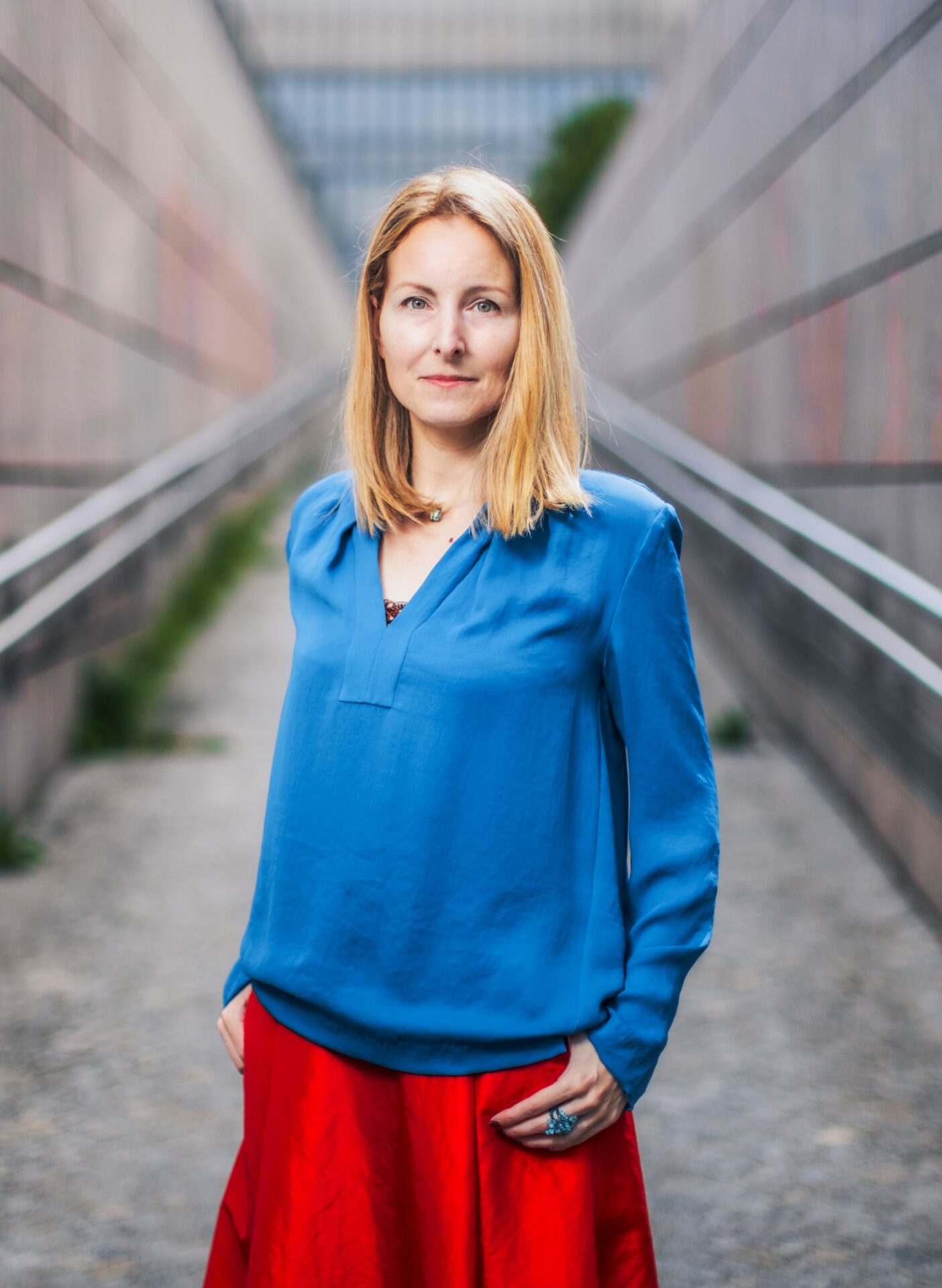
Arbeit, Wirtschaft und Soziales
Wer gegen Wen?
mit Noura Maan, Sara Hassan, Josefa Niedermaier, Ali Dönmez, Tamara Ehs, Flavia Matei und Mara Verlič,
Podiumsdiskussion
Veranstaltung