Die Arroganz der Beleidigten

Wer Kopftuch und Burka verbieten will, tut so, als befreie er damit die muslimische Frau. Vielleicht könnte man die muslimische Frau einfach mal fragen, was sie will?

Wer Kopftuch und Burka verbieten will, tut so, als befreie er damit die muslimische Frau. Vielleicht könnte man die muslimische Frau einfach mal fragen, was sie will?
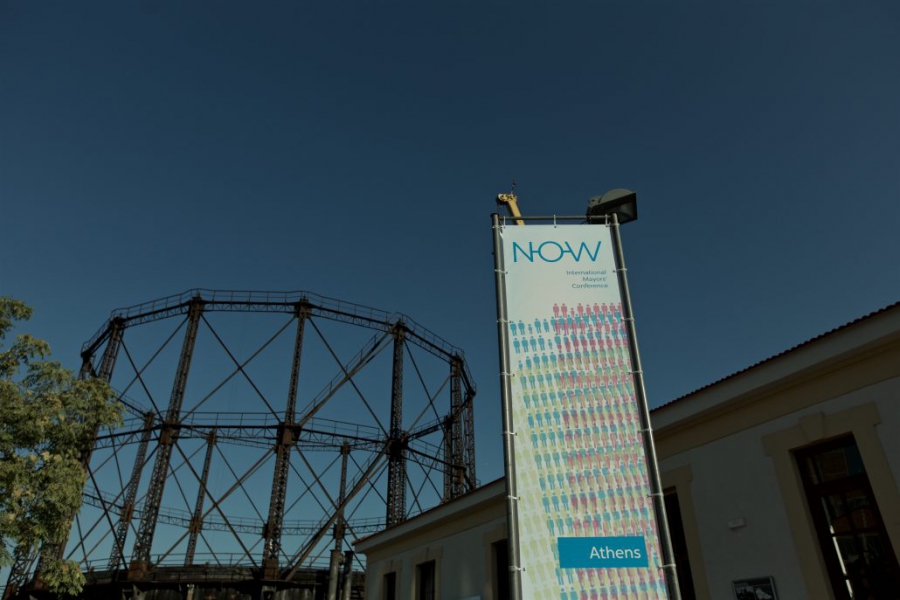
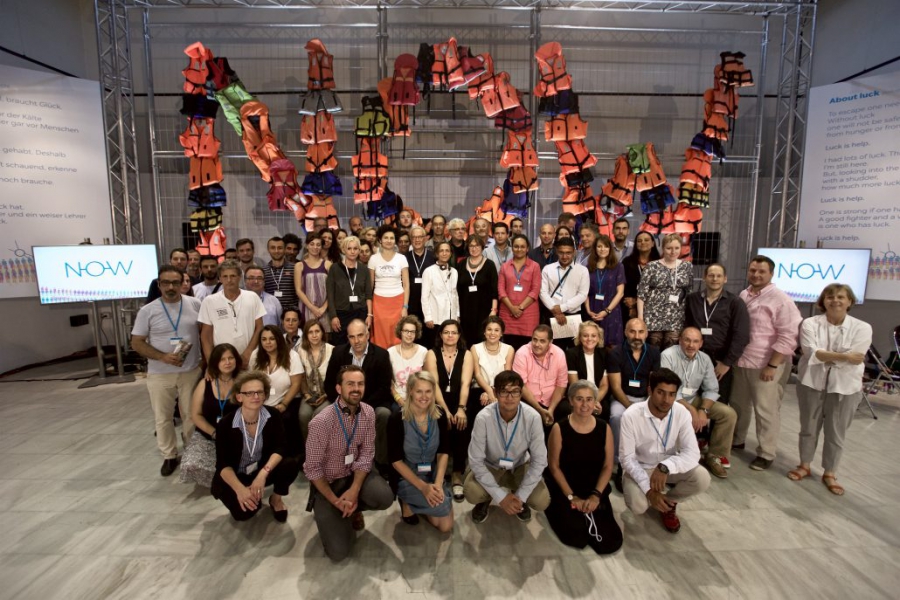
Von 21.-23. Juli 2016 fand in Athen eine weitere NOW Konferenz statt, veranstaltet von unserem Kooperationspartner Act.Now. Im Mittelpunkt standen diesmal die Umsetzung des EU-Türkei-Abkommens und die Herausforderungen für die betroffenen Gemeinden und Städte. Während der dreitägigen Konferenz diskutierten Bürgermeister/innen, NGO-Vertreter/innen, Expert/innen und Menschen auf der Flucht die aktuelle Situation und entwickelten Erkenntnisse für weitere Abkommen.
Die Konfernz wurde von Hannes Swoboda, ehemaliges Mitglied des Europäischen Parlaments und Vorstandsmitglied des Bruno Kreisky Forums für Internationalen Dialog, kuratiert.
Alles Infos und das Schlussdokument finden sich hier


Gender Conference: Combating violence against women in the OSCE region
When: 22 July 2016, 09:00 – 16:30
Where: Hofburg, Vienna
Organized by OSCE Gender Section and Germany’s 2016 OSCE Chairmanship
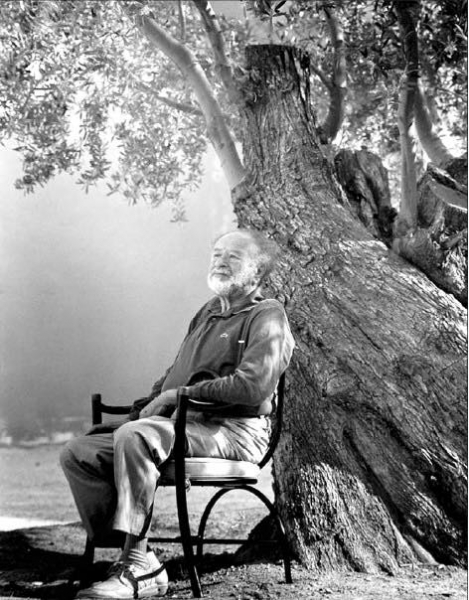
Zur Abschieds-Rede von Heinz Fischer, die er am 8. Juli 2016 anlässlich der Beendigung seiner zwölfjährigen Amtszeit für die im Historischen Sitzungssaal des Parlaments anwesenden ParlamentarierInnen, Regierungsmitglieder und Gäste hielt.
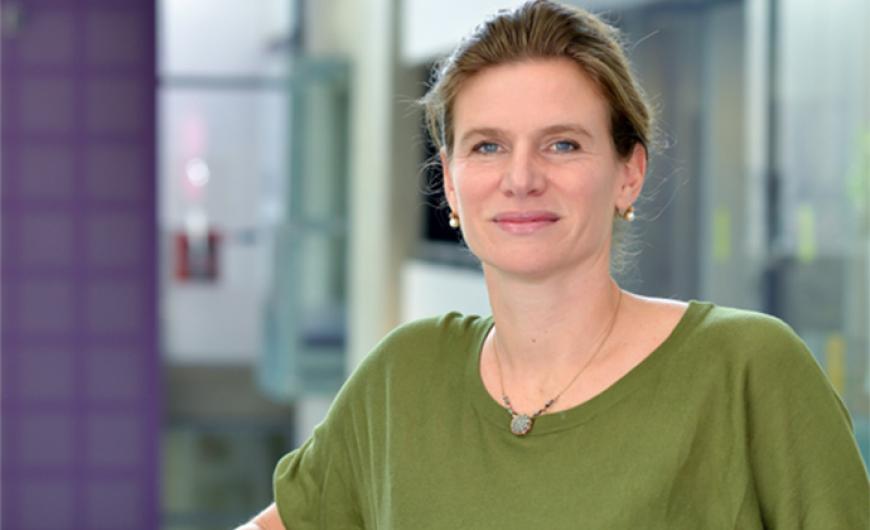
The political backlash against globalization, evident in the UK’s Brexit referendum, was predictable. The bigger surprise is the decidedly right-wing tilt the political reaction has taken, which partly reflects the left’s role in leading the hyper-globalization movement at crucial junctures.
Read the Article on Project Syndicate
Mariana Mazzucato is RM Phillips professor in the economics of innovation in the Science Policy Research Unit (SPRU) at Sussex University, and author of The Entrepreneurial State: Debunking Private v Public Sector Myths

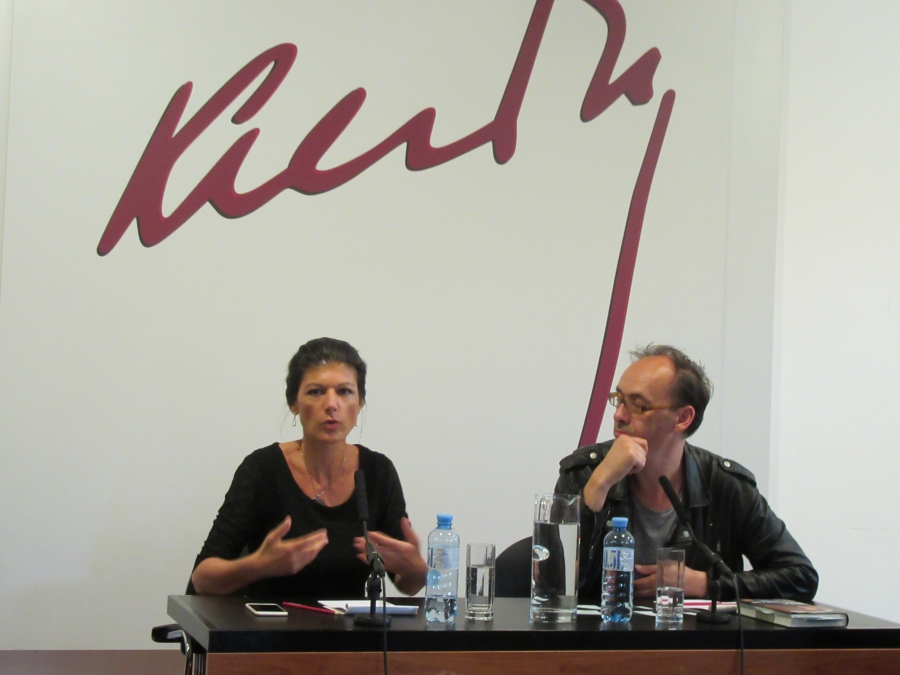
ROBERT MISIK
im Gespräch mit
SAHRA WAGENKNECHT: REICHTUM OHNE GIER
Videomitschnitt der Veranstaltung am 13. Juni 2016 im Kreisky Forum.
Credit: ZIGE.TV

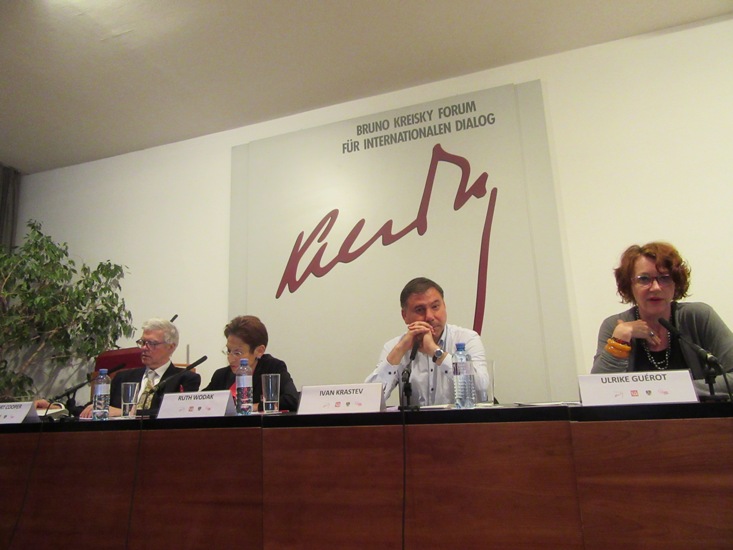
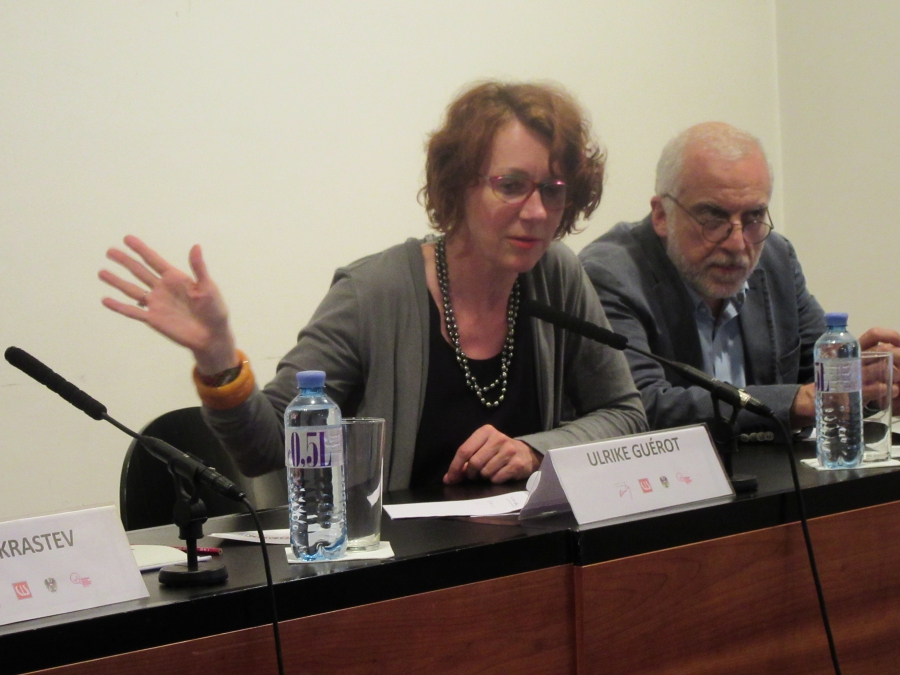
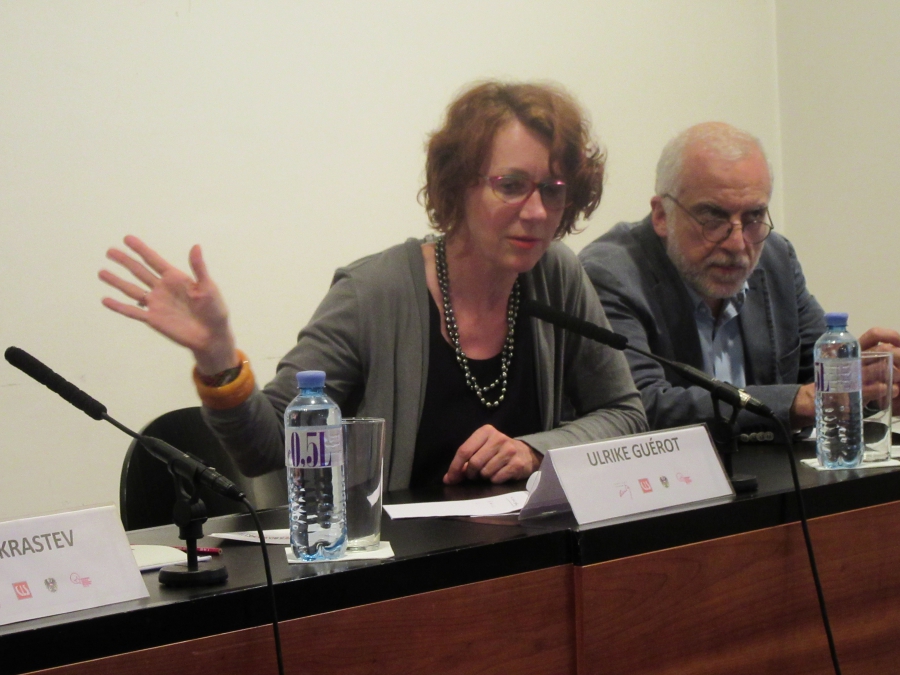
Am 30.Mai 2016 fand im Kreisky Forum die Konferenz “Vision for next Europe. How to cope with a fundamental political re-set of the Union?” statt. Eine der Teilnehmer_innen war die Politologin Ulrike Guérot, Gründerin des European Democracy Lab in Berlin. Der Wiener Zeitung gab sie nun ein Interview.
Is the EU still a success story and a cornerstone of European stability and prosperity? Currently, the EU faces a range of political and economic pressures, including slow growth and persistently high unemployment in many EU countries, as well as the rise of far-right populist parties, at least some of which harbor anti-EU or “euroskeptic” sentiments. Such factors are complicating the EU’s ability to deal with a multitude of unprecedented internal and external challenges. Among them: the definition of the external borders of the EU; the future of EU enlargement; the decision over a stronger EU (federalization, EU defence integration) or a two (or even three) speed Europe.
What Next Europe is going to be? How do we have to re-think the Union, the EU institutions? Do we get closer or fall apart? What if Brexit?
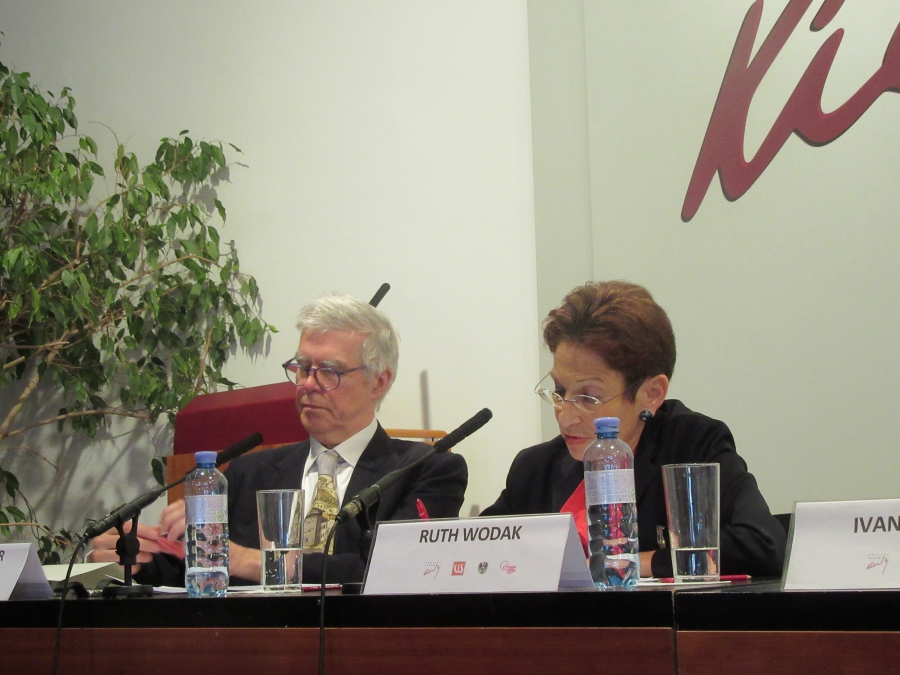
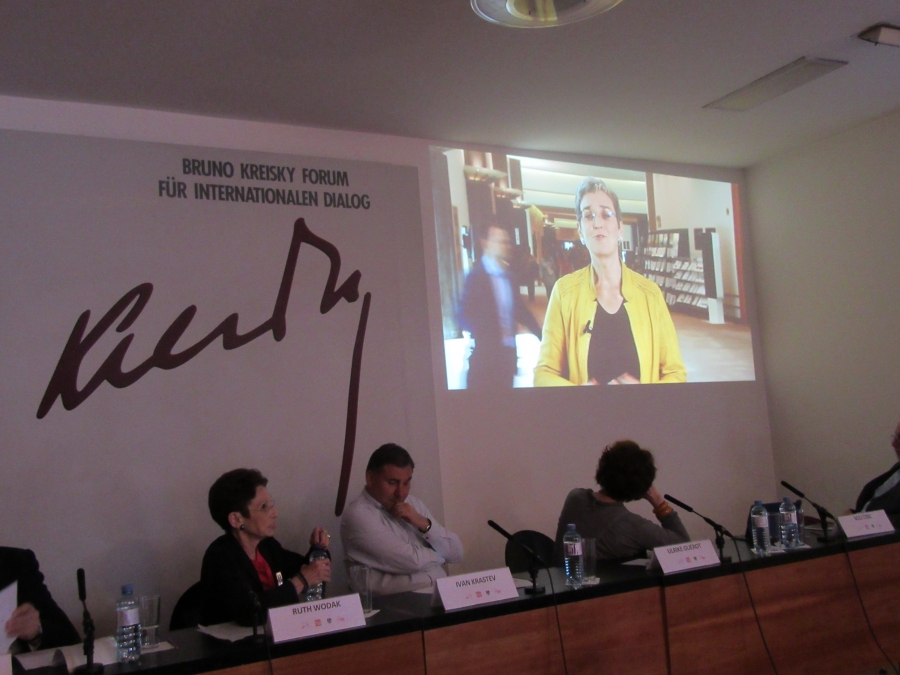
Discussed on May 30, 2016 at the Kreisky Forum by Ulrike Guérot, Founder and Director of the European Democracy Lab at the European School of Governance in Berlin, Ruth Wodak, Em. Distinguished Professor and Chair in Discourse Studies at Lancaster University, Robert Cooper, Diplomat, Former Counsellor, European External Action Service, Soli Ozel, Professor of International Relations at Kadir Has University in Istanbul and Ivan Krastev, Chair of the Centre for Liberal Strategies; Permanent Fellow IWM